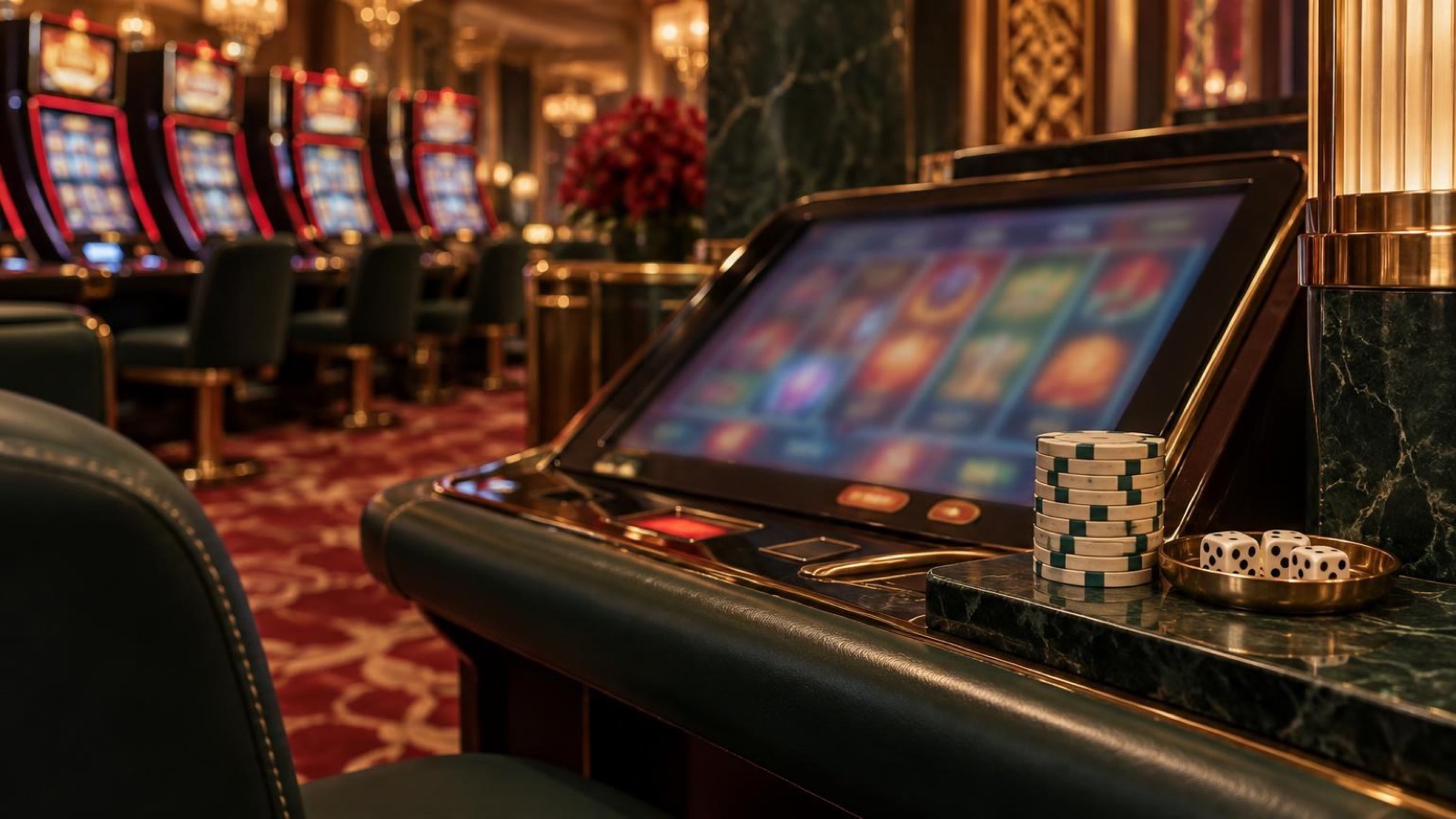
What electronic table games are
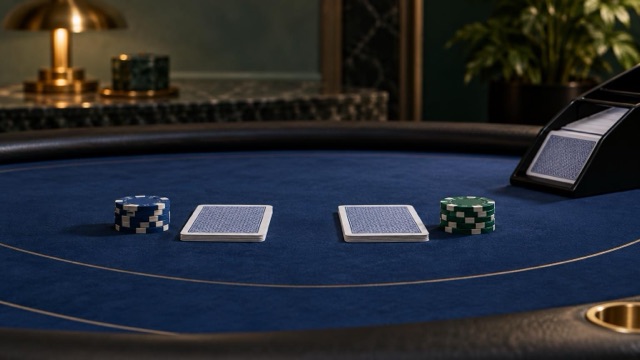
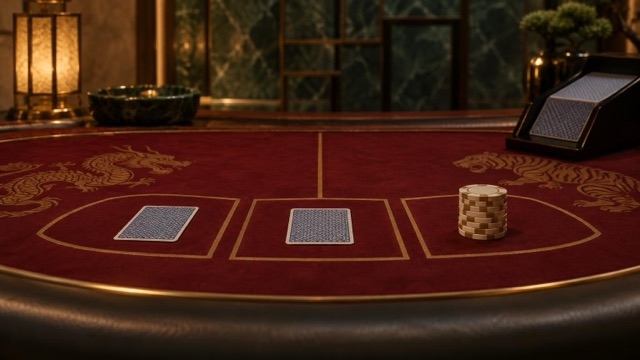
Electronic table games take the games you would normally find on a felt table, baccarat, roulette and sic bo among them, and run them on machines. Instead of a dealer handling cards or dice in front of you, a machine deals, spins or shakes, and you place your bets on a touchscreen terminal. In the stadium format, one central table or wheel is broadcast to rows of individual terminals, so dozens of players can bet on the same round at their own pace and at their own stake.
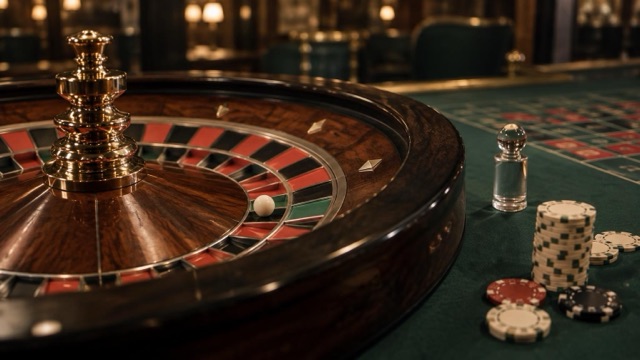
Japan's coming casino regime recognizes this category directly: the types of casino gaming there are set out as table games and games by electronic gaming machines, nine types and 21 classifications in all6. The permitted game list even includes the money wheel alongside the familiar table staples7. So the electronic terminal is not a side attraction; in several jurisdictions it is a formally defined part of the casino floor.
The format has practical advantages for a first-time player. Minimums are usually lower than at live tables, because one machine can serve many players. There is no dealer to worry about offending, no chips to handle, and no other players waiting while you think. You can also usually see the results of recent rounds on a digital board, which many players enjoy tracking even though each round is independent.
In the Philippines, the category is big business in its own right. PAGCOR, the regulator, licenses "Electronic Casino Games" as a distinct offering, and dozens of operators hold that accreditation, from small e-Games café operators to the giant integrated resorts like Bloomberry (Solaire) and Tiger Resort (Okada Manila)8. Some operators, such as RAC Phil Corp., run electronic casino games, electronic bingo, specialty games and sports betting all under one license9.
E-Sic Bo: rules, bets and payouts
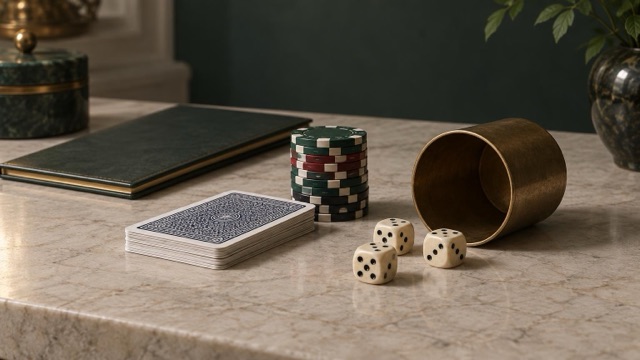
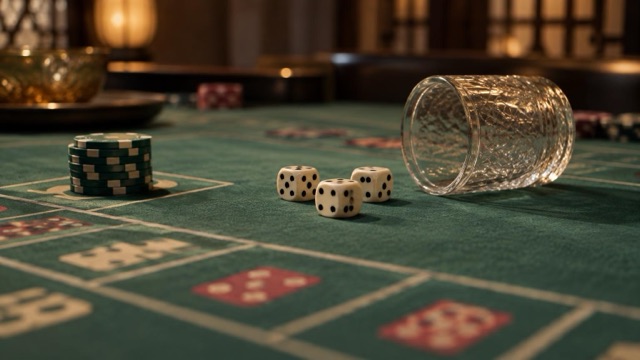
Sic Bo, originally pronounced "SEE-BO," is an ancient Chinese dice game, and the electronic version follows exactly the same rules as the live table described in our Sic Bo rules guide. The game is played with three dice, and you bet on the outcome of each roll1. In the electronic version, the dice are rolled by a machine: an electronic dice shaker activated by a button on the table does the work a dealer with a cup would do1.
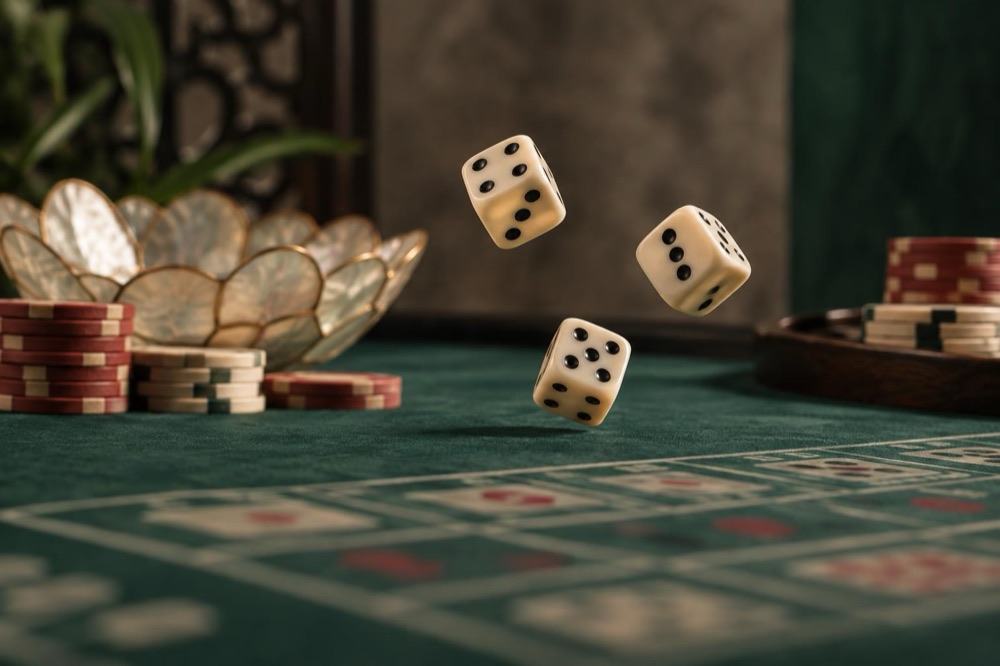
The betting layout offers several main bet types:
- Big and Small: whether the total of the three dice falls in the high or low range.
- Number bets: wagering that a chosen number appears on one, two or all three dice.
- Two-number combination bets: you bet on the chance of two specific numbers appearing among the three dice1.
- Specific Three Jewels: a specific triple, paying 150 to 110.
- Any Three Jewels: any triple at all, paying 24 to 110.
The payout structure follows one simple principle: the higher the payout odds, the less likely the outcome is to occur, and lower payout odds mean greater chances of winning1. A specific triple is the hardest result to hit, which is why it pays 150 to 1, while the even-money style bets win far more often.
The pace is quick. Sic Bo is a fast-paced game that requires some quick thinking, so it helps to decide your bets before the betting window closes11. On a live table, two dealers exchange chips, monitor the bets and keep the game moving1; on an electronic terminal, the machine does all of this, and the screen shows clearly when betting is open and closed.
One licensed version registered in the Philippines is listed as "SIC BO (EXTRA PAY)," a table-type eCasino game, showing that operators run their own variants with side bets on top of the standard layout12.
Where e-Sic Bo is played: Manila, Paradise and online providers
The Philippines is the heartland of electronic table games in Asia. PAGCOR e-Games cafés, standalone venues filled with electronic casino terminals, could historically be played in Metro Manila and a few chosen provincial stations2. These are ordinary storefront venues, not resort casinos: you walk in, sit at a terminal, and play electronic baccarat, roulette or sic bo at low stakes. PAGCOR has confirmed that these electronic gaming products are offered within Philippine jurisdiction and are not part of the offshore gaming activities targeted for banning under recent executive orders13.
The big resorts run electronic games too. Okada Manila's online operation is licensed for Electronic (eCasino) Games14, and Hann Casino Resort's Hann Live Online platform is likewise licensed for both live gaming tables and electronic casino games14. So the same games you find in a café terminal also appear on licensed online platforms connected to physical properties.
The licensed operator list shows how wide the ecosystem is. Companies such as PhilWeb Corporation, Topbet Tech Corp., Glowlight Corporation and BB Wave Inc. all hold Electronic Casino Games accreditation alongside bingo and sports betting8. Some brands, like RAC's LakiWin, offer electronic casino games, eBingo, specialty games, sports betting and daily fantasy under one roof14. Even the integrated resorts, Bloomberry, Tiger Resort and Hann Philippines among them, hold Electronic Casino Games licenses for their floors8.
In Vietnam, Casino Corona offers sic bo among its table games, and the electronic version follows the same payouts10. In South Korea, Paradise Casino and the other foreigners-only casinos run electronic versions of table games alongside live tables; you can read more in our guides to Paradise Casino Walkerhill Seoul and the other Paradise venues.
A caution from Vietnam, though: not everything that looks like an electronic game is licensed. In February 2026, police in Hà Tĩnh broke up a group running fish-shooting game machines in a shopping center, where players inserted a points card to bet, lost everything staked on a loss, and on a win outside parties bought back the coins and paid cash, turning an electronic game into money gambling15. Stick to licensed venues.
Slot machines: how they work and what they pay
Slot machines are the other half of the electronic gaming world, and they work differently from table games. The key fact, repeated in every responsible-gaming guide, is that the machine's outcome is determined by preset odds and an internal mechanism that cannot be predicted. Machines never "come due to win," and they do not "freeze" after paying out16. Each spin is independent.
Most slot play is purely luck, but on some machines a bonus game offers a chance to influence the outcome through arcade-style interaction. Even then, the random number generator usually determines whether you get to play the bonus game and how much money is available to win, so luck remains the dominant factor16.
Not all slot machines are the same. Some have more frequent small prizes and bonus games, while others pay less often but with bigger prizes16. Choosing between them is a matter of taste, not strategy: frequent small wins stretch your session, rare big wins chase the jackpot.
What the machine returns over time is expressed as RTP, return to player. Under Philippine rules, an electronic game of the slot machine type must have an RTP of from 90.00 percent to less than 97.00 percent17. Independent estimates of the house edge on slot machines generally run from 3 to 15 percent, which is the same fact stated from the house's side18. Compare that with blackjack, where the house edge is about 1 percent with basic strategy, and you can see why slots pay the casino's bills. Our house edge comparison puts the full picture side by side.
For a broader look at denominations, jackpots and how RTP works in practice, see our guide to slot machines in Asian casinos.
Mocha-style clubs: medal slots and house rules
Macau is best known for its giant resort casinos, but it also has a network of smaller electronic gaming clubs, the Mocha Clubs, which together ran 876 electronic gaming machines as of the end of 20243. These venues are slot halls and electronic table halls rather than full casinos: no live baccarat pits, just rows of machines in a more casual setting, with lower minimums than the resort floors. They sit under the same Macau regulator as the big casinos, and the same entry rules for visitors apply.
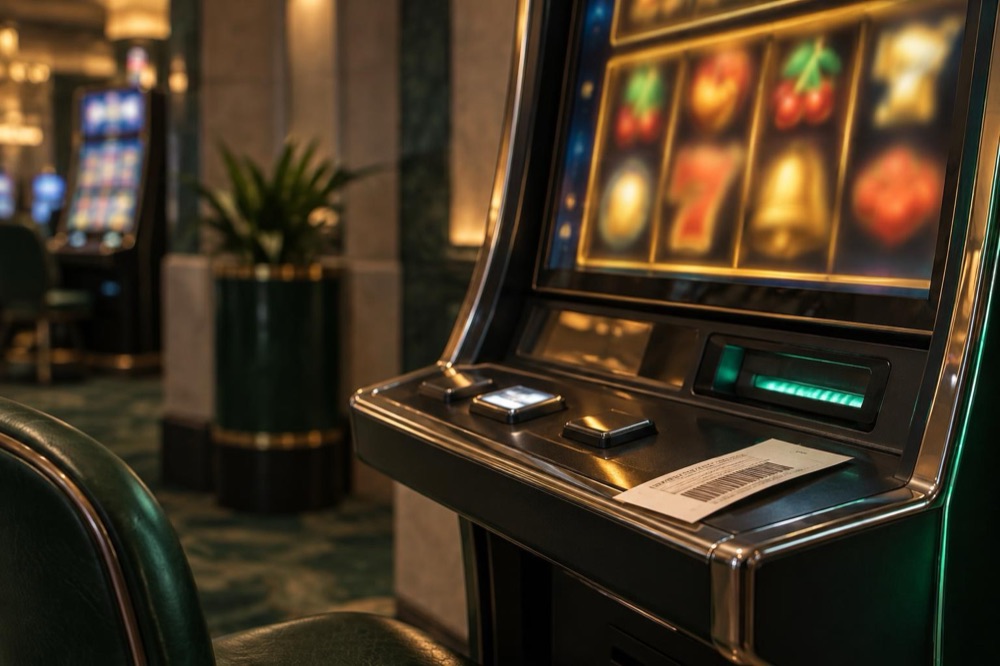
The Mocha model, a dedicated club floor of machines attached to or near a hotel rather than inside a full resort, has been copied elsewhere in the region. In the Philippines, the e-Games cafés described above serve a similar market. In Cambodia, NagaWorld in Phnom Penh runs electronic gaming alongside its live tables, though only foreigners may enter, as we cover below.
The house rules in these clubs are simpler than on a live floor. You buy credits at the machine or a cashier, play at your own pace, and cash out when you leave. There is no dealer etiquette to learn, no tipping question, and no dress code beyond the venue's own standard. If you want the full resort experience instead, our casinos and integrated resorts guide covers the big properties.
Pachislot in Japan: settings, skills and etiquette
Japan has the largest network of slot halls in Asia, operating in a category all of its own. Pachinko and pachislot parlors are legally classified under the "Type 4 adult entertainment business" rules, which cover mahjong, pachinko and other games that may excite customers' desire to gamble19. They are allowed to circumvent the gambling laws by crafty workarounds on transactions as well as a sort of cultural carve-out20: you play for medals or balls, not cash, and exchange prizes at a separate counter. Public gambling in Japan otherwise means horse racing, bicycle racing and similar events, with pachinko and pachislot sitting alongside them in practice21.
The distinctive feature of pachislot, compared with Western slots, is the stop buttons: you press a button to stop each of three reels yourself. On machines with digital displays, a "bonus confirmed" signal only indicates the state where bonus symbols can be aligned; the player must stop the bonus symbols manually by eye22. This is the skill element players talk about, though the underlying odds are still set by the machine.
Bonus payouts are capped by regulation.
| Machine generation | Machine type | Maximum big bonus payout |
|---|---|---|
| Fifth generation | Standard | 480 medals23 |
| Fifth generation | With the second type of special prize device | 360 medals23 |
| Sixth generation | Standard | 300 medals23 |
| Sixth generation | With the second type of special prize device | 225 medals23 |
Different machines have their own play styles: on Pachislot Hokuto no Ken Kyōteki, for instance, normal play proceeds while performing the medium push, a specific reel-stopping technique24.
Cashing out is a two-step process. You exchange your medals for a winning ticket, then insert the ticket into an automatic ticket machine and press the SEISAN button to withdraw cash25. Staff at the counter will help if you are unsure.
Etiquette matters in these halls. If you leave your machine for a break, leave your balls or medals on the upper tray to show the seat is in use; for breaks of 10 minutes or more, press the call button and tell staff. Halls are smoky, noisy and busy, and regulars take the routines seriously. If you want to take a longer break from gambling altogether, self-exclusion programs exist: Ontario's My PlayBreak, for example, lets players choose 3 months to 5 years away from casinos and charitable gaming centers26, and Game Break offers breaks of six months to three years27.
House edge and odds: slots versus Sic Bo
How do the two halves of the electronic world compare? The honest answer is that both are built so the odds favor the house. Over time, the chance of winning back more money than you started with is low16. But the edges differ a lot by bet:
- Slot machines: house edge generally 3 to 15 percent, depending on the machine and its RTP setting18. Philippine rules require an RTP of 90.00 to just under 97.00 percent for slot-type electronic games17.
- Sic Bo: the edge varies by bet. The even-money style bets carry a modest edge; the specific triple at 150 to 1 carries a much larger one, because the higher the payout odds, the less likely the outcome1.
- Blackjack, for comparison: about 1 percent with basic strategy, the lowest edge among the common games18.
The practical takeaway: if you want your money to last, the low-payout bets on sic bo (or electronic baccarat) stretch further than slots. If you want the shot at a big single win, the triple bets and slot jackpots are where that lives, at a higher cost per hour. Neither involves skill in the way blackjack does, except for the reel-stopping element of pachislot, which affects presentation more than the underlying odds.
Legal position: who may play where
The rules on who may enter differ sharply by country, and this is the one point to check before you go.
In the Philippines, citizens may play. Electronic gaming venues operate within Philippine jurisdiction under PAGCOR licensing, and are open to locals and visitors alike13. One exception: holders of a Gaming Employment License, and unregistered players, are prohibited from playing at any gaming venue28.
In Cambodia, citizens may not play. Casino gambling is prohibited for Cambodians, and while using foreign online sites can constitute illegal gambling, authorities rarely prosecute locals for it5. Foreign visitors may play at licensed venues such as NagaWorld Phnom Penh.
In Vietnam, a venue like the King Club is licensed to provide prize-winning electronic games for foreigners only29, reflecting the general rule that Vietnamese citizens may not gamble in casinos. See our Vietnam guide for the full picture.
In Singapore, the Gambling Control Act 2022 makes it an offense to be regarded as participating in a game of chance using a gaming machine located in a gaming machine room while not in the same room30, which is aimed at remote play through licensed venues.
In India, in Goa, the Public Gambling Act allows the Government to authorize any game of electronic amusement or slot machines in Five Star Hotels, and table games on board offshore vessels31, which is why the Deltin casinos in Goa operate as they do.
In Japan, pachinko and pachislot halls are open to anyone of age under the Type 4 business rules19, while the new integrated resorts will have their own entry conditions, including the entry fee for Japanese residents covered in our Japan casino entry fee guide.
In South Korea, the electronic and table gaming in casinos like Paradise and Seven Luck is for foreigners only; locals are limited to public racing and sports gambling such as horse racing, cycling and boat racing, along with poker and blackjack at the sole locals' casino in Gangwon32.
Recent openings, jackpots and tournaments
The electronic gaming scene keeps moving. In the Philippines, Casino Plus paid out a record PHP 122,409,603 online slot jackpot in September 2026, the biggest verified jackpot in Philippine online slot machine history, handed over at a ceremony in Manila in the presence of PAGCOR. Okada Manila ran a slot promotion for Reward Circle members from September 14 to October 11, 2026.
In Macau, Crystal Palace phase two at Casino Lisboa opened in September 2026 with about 30 baccarat tables plus sic bo and pai gow, a reminder that the live table remains king there even as electronic gaming grows.
In Vietnam, Hoiana's Slots League Grand Finale tournament takes place on December 18 and 19, 2026, at the resort. Slot tournaments of this kind score players on points accumulated over timed sessions, so you are competing against other players rather than the house; our casino tournaments guide explains how they work.
In Japan, new halls and machines appear constantly: Live Garden Tochigi, a pachinko and slot parlor, held its grand opening on September 26, 2026, and Face Group announced a machine replacement at MEGAFACE1070 Kikuyō on September 9. Some halls run time-difference openings, with slot machines starting from 13:00 on certain days, so check the hall's schedule before making a trip.
Common Questions
What does Sic Bo mean?
Sic Bo is an ancient Chinese dice game, originally pronounced SEE-BO. The name translates roughly as precious dice. It is a fast-paced game where you bet on the outcome of a roll of three dice, and it is a staple of casinos across Asia.
How many dice are used in Sic Bo?
Three dice. In modern casinos they are usually rolled by an electronic dice shaker activated by a button on the table, and a digital board displays the outcomes of recent rounds. Each roll is purely random and independent of the last.
What is the highest Sic Bo payout?
The specific triple, sometimes called the Specific Three Jewels bet, pays 150 to 1 when all three dice show the exact number you chose. The any-triple bet, called Any Three Jewels, pays 24 to 1. Higher payouts mean lower chances of winning.
What is the minimum bet on slot machines at Kingsway Casino?
There is no published minimum bet for Kingsway Casino specifically. As a general rule, a regular pachislot machine in Japan costs 3 medals, or 60 yen, per play. Check with the specific venue for its own minimums.
Can Cambodian citizens play slot machines in casinos?
No. Casino gambling is prohibited for Cambodian citizens. Using foreign online sites can constitute illegal gambling, though authorities rarely prosecute locals for this. Foreign visitors may play at licensed venues such as NagaWorld in Phnom Penh.
What is the RTP of slot machines?
Under Philippine rules, an electronic game of the slot machine type must have a return to player between 90.00 percent and less than 97.00 percent. Other estimates put the range at roughly 85 to 98 percent depending on the machine and jurisdiction.
How do you cash out of a medal slot machine?
In Japan, you exchange your medals for a winning ticket at the machine or a counter, then insert the ticket into an automatic ticket machine and press the SEISAN button to withdraw cash. Staff can help if the machine is unfamiliar.
What happens if I leave my machine for a break?
In Japanese pachinko and slot halls, leave your balls or medals on the upper tray to show the seat is in use. For breaks of 10 minutes or more, press the call button and tell staff. Long absences without notice may mean the seat is cleared.
Sources32 sources
- How to play Sic Bo, PlaySmart, 2026
- Online Gambling, iskomunidad, 2026
- Casino gross revenue 2024, DICJ Macau, 2024
- パロット (パチスロ)), Wikipedia, 2026
- Best for players from Cambodia, Wizard of Odds, 2026
- Casino policy, Japan Casino Regulatory Commission, 2026
- Enforcement Rules Article 3, Japan Casino Regulatory Commission, 2021
- List of PAGCOR-accredited Gaming System Administrators and registered Brands and Sub-brands, PAGCOR, 2025
- List of PAGCOR-Accredited Gaming System Administrators and Registered Brands and Domain Names URLs, PAGCOR, 2026
- Sic Bo, Casino Corona, 2026
- Sic Bo etiquette, PlaySmart, 2026
- JILI application kit, PAGCOR, 2026
- Memorandum on Coverage of Executive Order No. 74, PAGCOR, 2024
- List of Service Providers and Registered Domains, PAGCOR, 2025
- Triệt phá nhóm tổ chức đánh bạc bằng máy bắn cá, Ministry of Public Security Vietnam, 2026
- How slots work, GameSense, 2026
- Regulatory Framework for the Accreditation of Gaming Affiliates and Support Service Providers, PAGCOR, 2025
- 控除率, Wikipedia, 2026
- 風俗第四号営業, Wikipedia, 2026
- Best for players from Japan, Wizard of Odds, 2026
- Gambling signs, NCSA Japan, 2026
- リーチ (パチンコ)), Wikipedia, 2026
- ボーナスゲーム, Wikipedia, 2026
- パチスロ北斗の拳 強敵, Wikipedia, 2026
- Bet guide, Sonoda Himeji, 2026
- My PlayBreak new registrants, PlaySmart, 2026
- Game Break brochure, GameSense, 2026
- Regulatory Framework for Gaming Venue Operations, PAGCOR, 2025
- Three Koreans, former provincial leader jailed in Pullman Ha Noi gambling case, Vietnam News, 2025
- Gambling Control Act 2022, Singapore Statutes, 2022
- Goa, Daman and Diu Public Gambling Act, Government of Goa, 1976
- KBOAT FAQ, Korea Boat Racing Association, 2026