Maruhan in plain terms
Maruhan is a Japanese operator of pachinko and pachislot halls, the bright, noisy game centers that are a fixture of Japanese city streets and a part of everyday leisure culture in the country. Its halls are open to anyone who walks in: you exchange cash for balls or medals, play at a machine, and exchange what you win back at the counter. There is no membership, no entry fee and no dress code to worry about.
The two branches with the clearest published details are:
| Hall | Location | Pachinko machines | Slot machines | Other details |
|---|---|---|---|---|
| Maruhan Yattajima | Not listed | 3241 | Not listed | Pachinko and slot specialty store; facilities rating of 31 |
| Maruhan Kanuma | 923-2, Kanuma, Tochigi Prefecture2 | 3203 | 3203 | 4-yen and 1-yen pachinko corners2 |
Both are typical of the large-format halls you find across regional Japan: a pachinko floor of vertical ball machines and a slot floor of medal-based pachislot machines, usually under one roof.
If you are used to casinos elsewhere in Asia, a pachinko hall is a different experience entirely. There are no table games, no dealers and no cards. Everything runs on machines, the atmosphere is loud and smoky in older halls, and the whole thing is built around a fast, repetitive loop of launching balls or spinning reels.
What Maruhan operates: pachinko and pachislot halls
Maruhan's business is the classic Japanese pachinko hall. Yattajima is listed as a pachinko and slot specialty store, meaning it carries both game types rather than one or the other1. Kanuma does the same, splitting its floor evenly between 320 pachinko machines and 320 slot machines3.
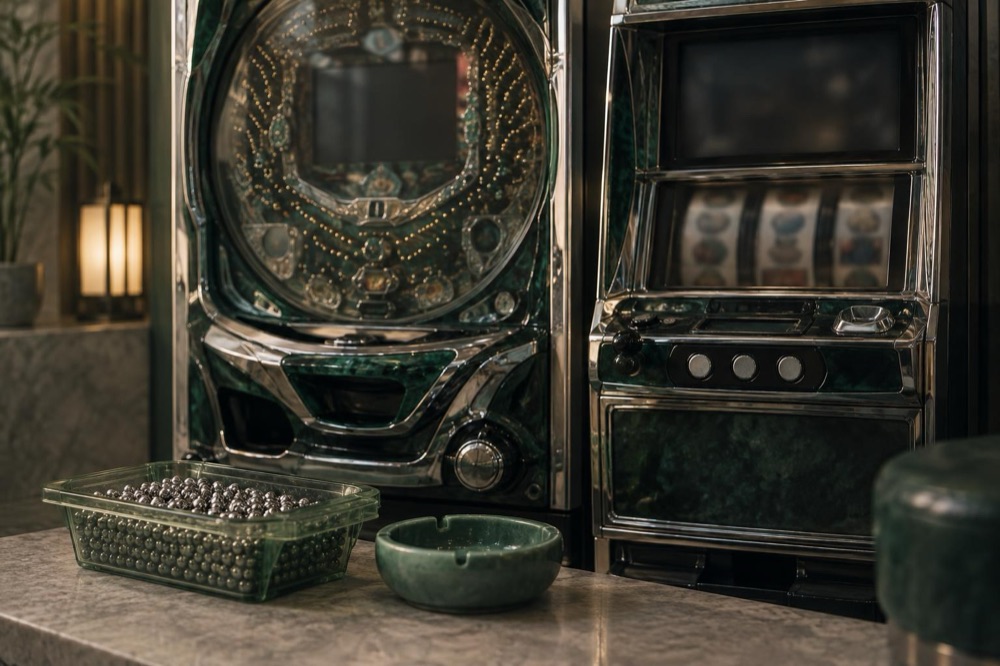
The halls are large by any standard. Three hundred-plus machines on a single floor is the norm for a big regional branch, and it means you will almost always find an open seat, even on busy days. Machine counts at this scale also mean variety: halls of this size typically stock a rotating selection of current pachinko and pachislot titles, with popular machines based on well-known franchises. Pachislot machines built on licensed properties are a staple of the industry, with titles such as Lupin the Third and Wild Wolf among the pachislo machines players look for7.
Kanuma also publishes a facilities rating of its equipment, and Yattajima's listing carries a facilities rating of 3, a mid-range score that tells regulars what condition and generation of machines to expect1. For a first-time visitor, the practical takeaway is simple: these are full-size, current-generation halls, not small neighborhood shops.
Games you will find: pachinko and pachislot
Pachinko is played with small steel balls. You rent balls from the machine with cash, turn a dial to launch them upward, and watch them cascade down through a field of pins and obstacles. If a ball lands in the right pocket, the machine pays out more balls, and a big win, called a jackpot, can pour out thousands of them. Some machines are "hane-mono" types, a traditional pachinko design in which a mechanical wing opens to catch balls, a style old enough that a pachinko-themed game was built around it9.
Pachislot, also called pachislo, is the slot machine version. You play with medals instead of balls, press buttons to stop three reels yourself, and aim for bonus rounds. Modern pachislot machines are classified as Type 5 machines, the current regulatory generation, and titles across this generation include machines like Sengoku Musou and Kelot 310.
The two games also differ in how their bonus systems work, which matters once you sit down. On pachislo machines, a bonus round that ends early, before its regulated number of games, is called "panku," and players have developed techniques such as "rippan hazushi" on Type 5 machines to manage replay and assist time features12. You do not need to know this vocabulary to play, but you will see and hear these terms on the floor.
One more difference worth knowing before you choose a machine: the exchange math. When a hall exchanges pachinko balls at 3 yen and slot medals at an equivalent rate, playing a parrot-style pachislot machine works out about 25% worse in monetary terms than a standard slot, so the machine type you pick affects your effective payout13.
At Kanuma, the pachinko floor is split into a 4-yen pachinko corner and a 1-yen pachinko corner, referring to the per-ball cost tiers2. The 1-yen corner is the cheaper way to play and a sensible place for a beginner to start, since your money lasts longer while you learn the dial.
How-to guides for first-time players
The basic loop at a pachinko machine:
- Sit down and check the machine's ball lending rate. At Kanuma, the standard rate is 1,000 yen for 46 balls, with a ball rate of 3202.
- Insert a banknote into the machine. It lends you balls into the tray below.
- Turn the dial on the right to launch balls upward. The harder you turn, the faster they fire.
- Balls that land in the start pocket trigger a digital slot or lottery display on the machine's screen. Match the right combination and the machine opens a payout round.
- When you finish, press the call button. Staff come over, count your remaining balls, and either print a slip or direct you to the exchange counter.
On a pachislot machine, the loop is similar but medal-based: insert cash for medals, press the spin button, stop each reel yourself with the three stop buttons, and aim for the bonus rounds that pay extra medals.
Before you go, the standard preparation advice for any gaming applies: set a budget and stick to it, use cash only, and decide in advance when you will stop14. Pachinko is fast and continuous, and it is easy to lose track of both time and money, so a fixed cash amount in your pocket is the simplest control.
Kanuma also runs promotions tied to "zorome" days, dates where the month and day digits match, such as November 11, and its published figures show an average of 44 extra balls per machine on those days3. If your schedule is flexible, a zorome date is a good day to visit, since the halls are livelier and the machine conditions more generous.
Languages: English, Chinese and Korean support
Maruhan's hall pages and in-hall materials are in Japanese. There is no published English, Chinese or Korean support for the halls themselves, and staff will generally speak Japanese only. If you do not read Japanese, a translation app on your phone is the practical tool for machine screens, rate cards and counter signs.
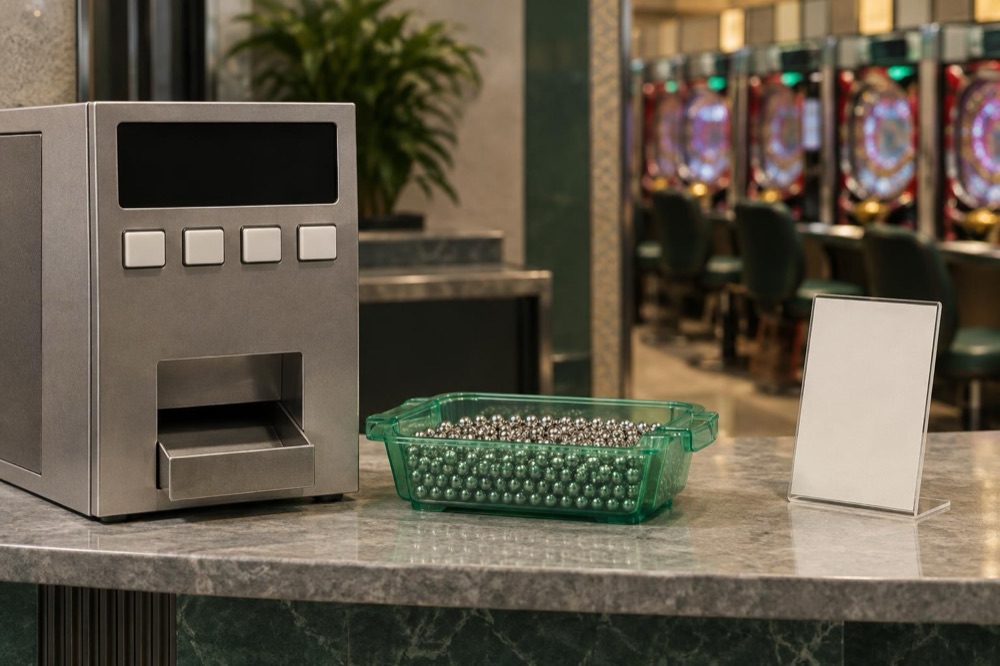
This is worth knowing because almost everything that matters on the floor is written in Japanese: the ball lending rate, the exchange rate, the machine's payout rules and the call buttons. The good news is that pachinko and pachislot are visual games, and the physical actions, inserting cash, turning the dial, pressing the buttons, are the same regardless of language. Watching the player next to you for a minute is often the fastest tutorial available.
Preparing without an English guide
Because Maruhan does not publish its own English guide, the practical approach is to prepare before you arrive. Read a plain-language explanation of pachinko and pachislot basics, including how ball lending and exchange rates work, so the numbers on the machine's rate card mean something when you see them. The key figures to understand in advance are the lending rate, at Kanuma 1,000 yen per 46 balls, and the ball rate of 3202.
Inside the hall, the rate card is usually displayed on or near each machine. Once you know that the first number is what you pay and the second is how many balls you receive, the card is readable in any language. The exchange counter works the same way: staff count your balls or medals and hand you a slip, and the whole transaction is arithmetic rather than conversation.
If you get stuck, press the call button on the machine. Staff respond to the light above your seat, and pointing at the dial, the rate card or your ball tray communicates most problems without words.
What a first visit involves
A first visit to a Maruhan hall is straightforward. You walk in, find an open machine, and start playing. There is no membership desk, no registration and no ID check for ordinary entry. Halls in the industry do firmly refuse entry to customers accompanied by children, so this is an adults-only outing and you cannot bring kids in even just to watch4.
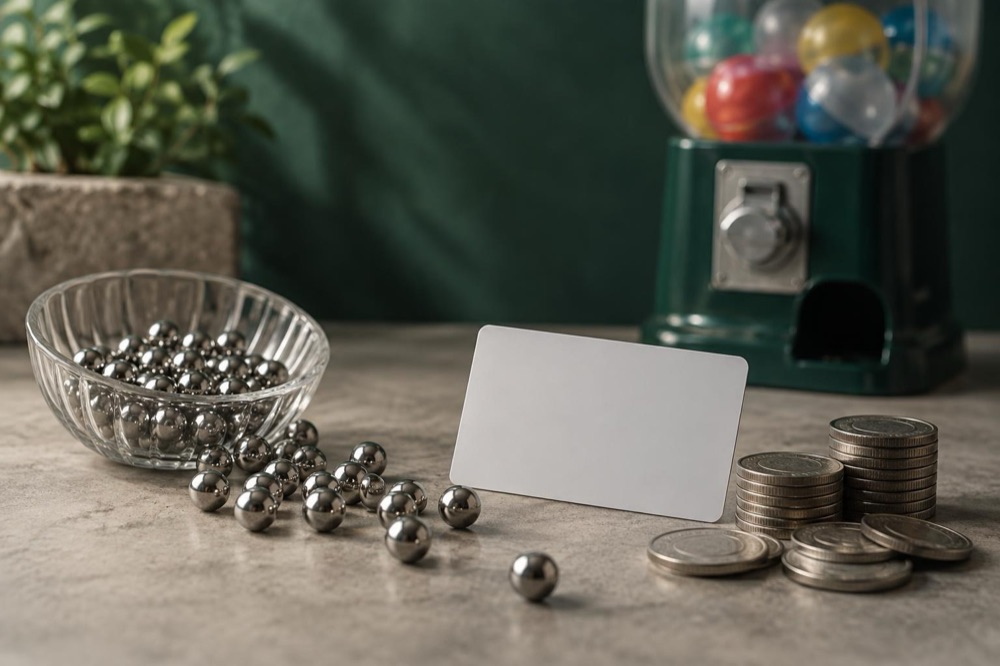
What to expect on the floor:
- Noise and light. Pachinko halls are famously loud, with hundreds of machines ringing and flashing at once. Many players wear earplugs, and it is worth bringing a pair.
- Smoking. Many halls still permit smoking on the floor, though this varies by prefecture and venue.
- Long sessions. Regulars settle in for hours. There is no time limit on a machine, but the standard budget advice applies: bring only the cash you plan to spend14.
- Exchange at the end. When you finish, your remaining balls or medals are counted and exchanged. The exchange rate is posted in the hall, and at Kanuma the ball rate is 3202.
The halls are open long hours, typically from morning to late evening, and the busiest periods are weekends and the days around new machine launches, when popular titles draw queues of regular players. A weekday morning or afternoon is the quietest time to learn, with the most open machines and the most patient atmosphere.
For context on where pachinko sits in Japan, see our page on whether you can gamble in Japan. Pachinko is the country's biggest gaming industry by far, and Maruhan is one of its major operators, in the same broad category as other hall chains such as DYNAM and NIRAKU.
What is not allowed
Pachinko halls operate in a distinctive legal space. Pachinko itself is allowed to work around Japan's gambling laws through carefully structured transactions and a long-standing cultural carve-out, which is why halls are legal and everywhere5. The critical line for a visitor is this: playing in a hall is fine, but online pachinko is illegal in Japan, so do not look for a digital version of the game6.
Within the halls, the main rule that affects visitors is the child policy: halls refuse entry to anyone accompanied by children, with no exceptions4. Beyond that, the ordinary expectations of any gaming venue apply. Set your budget before you enter, bring cash only, and treat the visit as paid entertainment rather than an income plan14.
Common Questions
Is there an English guide for pachinko at Maruhan?
Maruhan's own hall pages are in Japanese only. There is no dedicated English guide on site, so it helps to learn the basics of pachinko and pachislot before you go, and to use a translation app for machine menus and signage.
Can I get help in Chinese or Korean?
Not from Maruhan directly. Hall staff speak Japanese, and signage and machine screens are in Japanese. Visitors who speak Chinese or Korean should bring a translation app, as the halls do not publish multilingual support.
What is the difference between pachinko and pachislot?
Pachinko uses small steel balls you fire upward into a vertical playfield, aiming for pockets. Pachislot is a slot machine played with medals, with reels, buttons and stop controls. Both pay out in balls or medals you exchange at the counter.
Do I need to be a member to enter a Maruhan hall?
No. Pachinko halls in Japan are walk-in venues with no membership requirement and no entry fee. You simply exchange cash for balls or medals at a machine or counter and start playing.
Is pachinko legal in Japan?
Yes, in its hall-based form. Pachinko parlors operate through workarounds on how winnings are exchanged, a long-standing cultural carve-out. Online pachinko, however, is illegal in Japan.
How do I learn the rules before playing?
Read a plain explanation of pachinko and pachislot basics first: how balls are lent, how jackpots work, and how exchange rates apply. Set a budget in advance and stick to cash only, as you would at any gaming venue.
Sources14 sources
- Maruhan Yattajima, Minpachi, 2026
- Maruhan Kanuma pachinko parlor, P-World, 2026
- Maruhan Kanuma store, Minpachi, 2026
- Zennichiyuren member halls, Zennichiyuren, 2026
- Best Online Casinos for Players from Japan, Wizard of Odds, 2026
- RSN Sakura, RSN Sakura, 2026
- Ore no Na wa Lupin the Third, Wikipedia, 2026
- Wild Wolf, Wikipedia, 2026
- Pachinko Taisho, Wikipedia, 2026
- Pachi-Slot Sengoku Musou, Wikipedia, 2026
- Pachislot Kelot 3, Wikipedia, 2026
- Panku (pachinko)), Wikipedia, 2026
- Parrot (pachislo)), Wikipedia, 2026
- How to Play Craps, PlaySmart, 2026