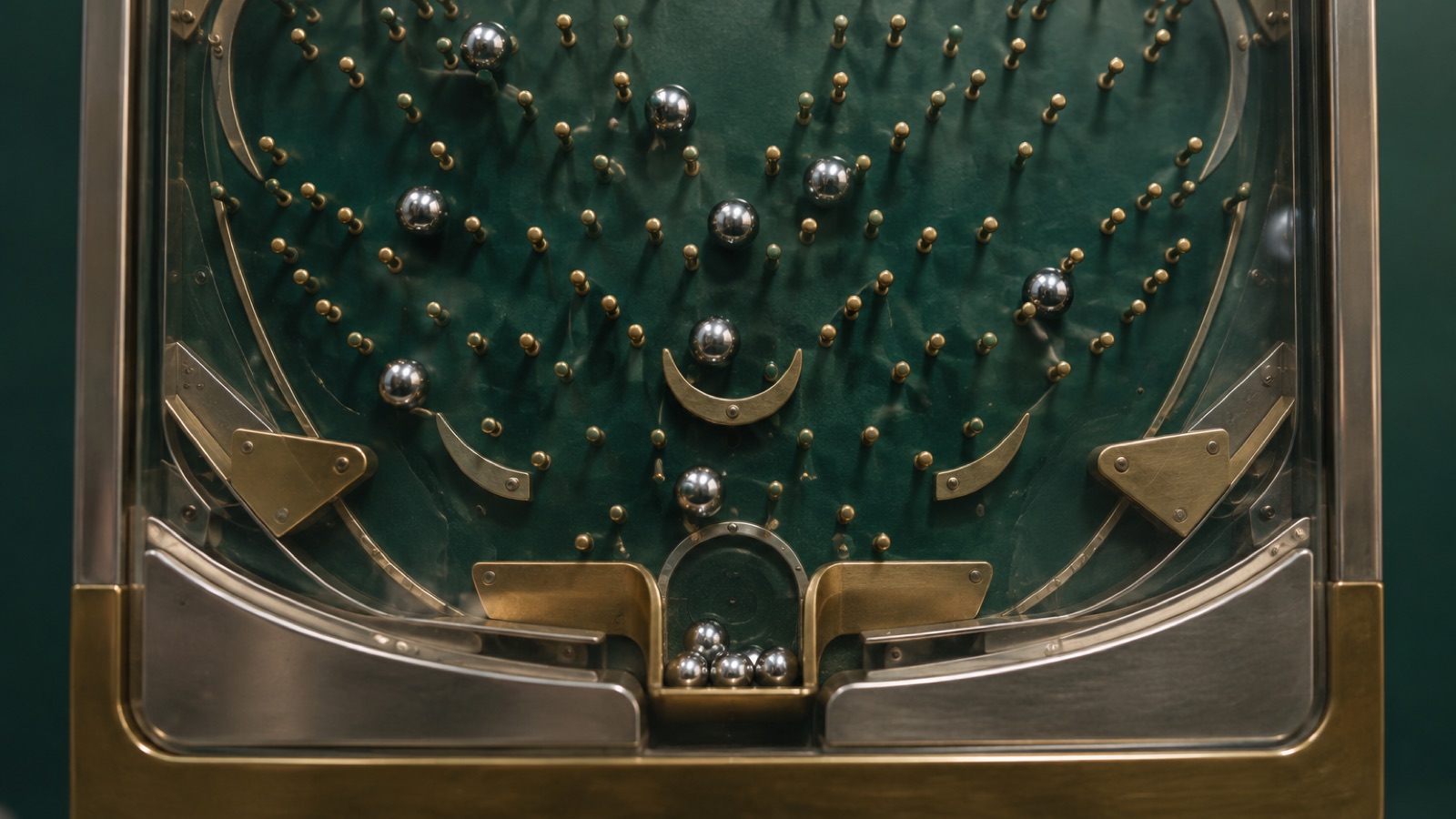
What pachinko is and how a game works
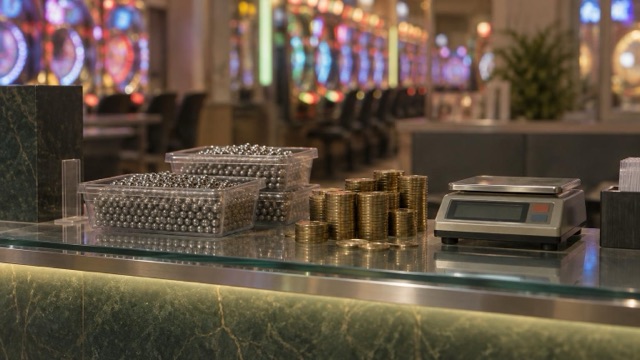
Pachinko is a Japanese machine game played with small steel balls, each 11 millimeters in diameter and weighing 5 grams6. You rent a tray of balls, feed them into a machine, and turn a dial that launches them one at a time into the playing field. The ball bounces over nearly 500 small nails and spinners before falling into pockets at the bottom7. Most machines fire a shot every 0.6 seconds, so the game moves fast6.
The playing field is a vertical board under glass. Most modern machines are "deji-pachi" (digital pachinko) types: a video screen in the center of the field shows spinning symbols, and if a ball drops into the start pocket, the symbols spin like a slot machine. Match three numbers or symbols and you hit the jackpot, called ōatari3.
A jackpot pays out a stream of balls into your tray, often hundreds at a time. On many machines the jackpot also triggers a high-probability mode, where the odds of another jackpot improve dramatically for a while, which is where the big sessions come from8.
The moment when two of the three symbols match and the third is still spinning is called a reach. The screen erupts into animation, and regulars lean in. It is pure presentation: the reach animation and other symbol effects have no effect on whether you win, so enjoy the show but do not read it as a signal. The opposite disappointment is panku, when a jackpot ends partway through being paid out because the balls stopped feeding in.
A full session runs in eight steps: choose a machine, rent balls, launch them, match the symbols for a jackpot, count your balls at the counter, finish the game, exchange for prizes, and settle your card balance3.
Who can play
Pachinko is open to anyone in Japan, citizen or visitor, with one age rule: you must be at least 18, and entry is strictly prohibited by law for anyone younger. Staff may ask you to show an identity document to verify your age, so carry a passport or other photo ID if you look young9. There is no membership, no dress code and no entry fee; you just walk in and rent balls. For the wider picture of what visitors can and cannot do in Japan, see gambling in Japan as a visitor.
The three-shop system: how payouts stay legal
Japan bans cash gambling, yet pachinko pays. The trick is a structure called santen hoshiki, the "three-shop method," which developed to work around the ban5. You never receive money inside the parlor. Instead:
- You exchange your winning balls for prizes, typically small items like pens, chocolates or electronics, at the parlor's prize counter.
- Certain prizes, called "special prizes," are standardized tokens with a known value.
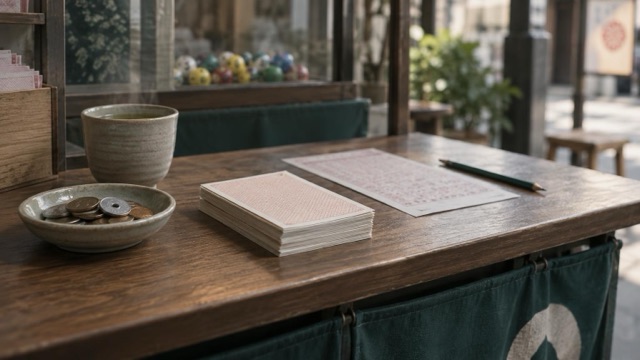
- You take those prizes to a small independent kiosk, usually just outside or around the corner, which buys them for cash5.
The parlor, the prize and the kiosk are nominally three separate businesses, so no single shop ever pays cash for gambling results. Parlors are widely described as operating through these transaction workarounds plus a long-standing cultural acceptance of the game1. The practical upshot for you is simple: the cash step happens off-premises, and everyone treats it as routine.
Machine types and jackpot odds
Machines come in roughly three types, sorted by how often they hit3:
| Machine type | Jackpot odds | Character |
|---|---|---|
| Light-spec (amadexi) | about 1 in 99 | Frequent small jackpots, gentler swings |
| Light-middle | about 1 in 150 | In between |
| Middle | about 1 in 250 to 1 in 300 | Bigger jackpots, longer dry spells |
| High-spec | about 1 in 319 | Rarest, largest payouts |
These figures come from the machine specs themselves: light-spec machines are defined by jackpot probabilities around 1/99, light-middle around 1/150, middle around 1/250, and high-spec at 1/3194. Individual machines vary around these bands. CR Pachinko Avantgarde, for example, lists a top-pocket win at 1/104.910, while CR Pachinko Attack No.1 runs 1/317 in its low-probability mode11, and CR Pachinko Hisshou Guide lists 1/315.512.
After a jackpot, machines shift into a high-probability state where the odds collapse to something like 1 in 31 to 1 in 4010. The Fist of the North Star machines, for instance, go from 1/399.6 to 1/40, with the jackpot split into different round lengths: on one version, a full 16-round probability-variation jackpot comes up 51.5% of the time, with shorter 5-round and 2-round versions making up the rest13. On many modern "evolution-style" machines, 7 or 8 jackpots out of 10 are probability-variation ones, chaining wins together8. Some machines use an ST system instead: a fixed count of hidden high-probability spins, and if you do not hit again within that count, the run ends and you can walk away with nothing from it8.
What balls cost
Ball rental prices differ by shop and by corner within a shop, with 4-yen, 2-yen and 1-yen balls all in use3. The law caps the game fee at 4 yen per ball plus consumption tax14. In practice:
- 4-yen pachinko: 1,000 yen buys 250 balls
- 1-yen pachinko: 1,000 yen buys 1,000 balls3
Real parlors show the spread. A parlor in Kanuma, Tochigi lists pachinko units at 200 yen and 100 yen rates alongside slot units at 1,000 yen and 500 yen rates15, and the Nandaimon Ogane branch advertises rental packs at 120 yen for 63 balls16. Cheaper balls mean longer play for the same money but usually smaller prizes per jackpot, so 1-yen corners are popular with beginners and players on a budget.
How long 10,000 yen lasts depends entirely on how the session goes. With a player return rate of about 85% across the industry, the parlor keeps roughly 15% of ball rental fees on average6, so a typical session grinds down slowly rather than vanishing instantly. A cold middle-spec machine can burn through 10,000 yen in under an hour; a lucky chain of probability-variation jackpots can turn it into tens of thousands of balls.
Prizes and the cash exchange
When you finish playing, press the return button; if balls or money remain, the machine issues your IC card, and staff can be summoned with the call button. Take the card to the prize exchange counter, and settle any remaining card balance at the settlement machine on your way out3.
The exchange rate between balls and prize value is posted at each parlor. At a 25-ball exchange, 25 balls buy 100 yen of special prize, meaning each ball is worth 4 yen, a rate called "equivalent exchange" when it matches the rental price. At a 28-ball exchange, 28 balls buy 100 yen of prize, or about 3.57 yen per ball4. The gap between what you paid per ball and what a ball is worth at the counter is the house margin.
Then comes the santen hoshiki step described above: special prizes in hand, you walk to the nearby kiosk and convert them to cash5. It is quick, unremarkable and done in the open.
Inside a parlor
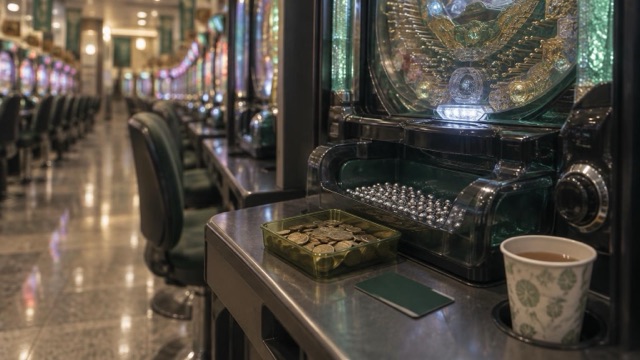
Expect noise and smoke. Parlors are famously loud, with hundreds of machines clattering at once, and the halls have traditionally been fairly smoky, though smoking rules now vary by venue and should be confirmed with the shop7. The sound of excitement is simply part of the atmosphere7.
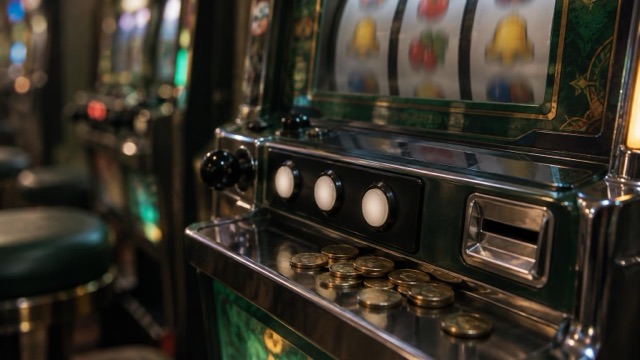
Machines are arranged in long rows, usually grouped by type and ball price, with rate signs above each corner. Modern machines take an IC card rather than coins: you load money onto the card, insert it, and the machine rents balls automatically as you play. When you leave, the settlement machine refunds whatever is left3.
Etiquette is minimal but real. Do not linger behind someone playing, do not reserve machines you are not using, and ask before taking photos, as most parlors discourage cameras on the floor. Food, drink and sometimes free tea are available, and larger parlors have staff circulating with carts. Nobody will expect you to speak Japanese; pointing at a machine and holding up cash gets you started.
Pachinko parlors in Japan
There are thousands of pachinko parlors across Japan1, from giant multi-floor halls in city centers to small neighborhood shops. Aficionados line up in front of parlors for the 10 a.m. opening, and the game has been a mass pastime since well before World War Two, when Nagoya alone already had 380 venues5.
Opening hours are set by local rules. In Tokyo, ordinances forbid operation between 11 p.m. and 10 a.m., so a 10 a.m. to 11 p.m. day, 13 hours, is the common pattern; Aomori Prefecture allows an earlier 8:30 a.m. opening2. Individual shops vary: the Kanuma parlor above runs 9:00 to 22:5015. For a full guide to finding and choosing a hall, including the major chains, see pachinko parlors in Japan.
Online pachinko
Pachinko as described here exists only in physical parlors; the machines, the ball rental and the prize exchange are all built around the venue. There is no licensed online equivalent of the game in Japan. If you are curious what online options do exist for players in Japan, see online gambling in Japan.
Pachinko outside Japan
Pachinko is not only Japanese. Parlors operate in several countries, mostly running used machines shipped from Japan, and in most of them you buy balls at the counter rather than using the Japanese rental-box style6. Guam is the clearest case: gambling is legal there and pachinko operates as one licensed form of it6. Taiwan is the opposite: gambling itself is banned, no pachinko-parlor genre exists, and machines are treated like any other casino machine in electronic amusement venues, which may not pay out cash or buy back prizes17. Vietnam has pachinko venues, but most operate without formal licenses; as of 2025 only one shop held one6. There are even pachinko parlors in Pyongyang, North Korea6. South Korea and other Asian destinations have their own gambling scenes, covered in our country guides.
Keeping it fun
Pachinko is fast, loud and designed to keep you feeding balls, and the 15% average take means the longer you play, the more the math grinds against you6. Set a budget before you walk in and treat the money as the cost of an evening's entertainment. The games themselves are generally kept low-stake by design, which limits how fast the losses can mount. If play stops being fun, gambling help in Japan lists where to turn.
Common Questions
How much does it cost to play pachinko?
Balls are rented at 1, 2 or 4 yen each depending on the machine and the parlor, so 1,000 yen buys 250 balls at a 4-yen machine or 1,000 balls at a 1-yen machine. Most players budget a few thousand yen for a session.
What are the odds of hitting a jackpot on a pachinko machine?
It depends on the machine type. Light-spec machines pay out at around 1 in 99, middle types around 1 in 250 to 1 in 300, and high-spec machines around 1 in 319 or worse. After a jackpot, many machines switch to a high-probability mode with odds as good as 1 in 31.
Can tourists and foreigners play pachinko in Japan?
Yes. There is no citizenship or residency requirement, and visitors play alongside locals. Staff rarely speak much English, but the game needs no conversation, and many parlors now use IC card systems that work with a simple touch.
Can you win cash from pachinko?
Not directly at the counter. You exchange your balls for prizes inside the parlor, then trade certain prizes for cash at a small separate kiosk nearby. This three-shop arrangement is how the payout stays within the law.
How old do you have to be to enter a pachinko parlor?
You must be at least 18. Parlors are required to check identification, and staff will ask for ID from anyone who looks young, so visitors should carry a passport or other photo ID.
Can you take photos inside a pachinko parlor?
Generally no. Most parlors discourage or forbid photography inside the playing area, both for other customers' privacy and house reasons. Ask staff first if you want a picture.
What payment methods do pachinko parlors accept?
Cash is the standard, and most parlors also issue IC cards that hold your balance at the machine. Card settlement happens at a machine near the exit. Foreign cards are rarely useful inside, so bring yen.
Sources17 sources
- Best Online Casinos for Players from Japan, Wizard of Odds, 2026
- パチンコ店, Wikipedia, 2026
- 파친코 가이드, FACE Group, 2026
- パチンコ用語の一覧, Wikipedia, 2026
- Gambling in Japan, Oxford Brookes University, 2007
- パチンコ, Wikipedia, 2026
- Pachinko, Campingart, 2008
- 進化系ぱちんこ, Wikipedia, 2026
- 風俗営業等の規制及び業務の適正化等に関する法律の解釈運用基準, National Police Agency, 2022
- CRぱちんこアバンギャルド, Wikipedia, 2026
- CRぱちんこアタックNo.1, Wikipedia, 2026
- CRパチンコ必勝ガイド, Wikipedia, 2026
- ぱちんこCR北斗の拳, Wikipedia, 2026
- 風俗営業等の規制及び業務の適正化等に関する法律, e-Gov, 2026
- 1円の達人 鹿沼店, P-WORLD, 2026
- 南大門おがね, P-WORLD, 2026
- 電子遊戲場業管理條例, Taiwan Ministry of Justice, 2006