Horse racing: what visitors can do in Japan
Horse racing is the biggest and most visitor-friendly of Japan's public racing options. Alongside it, the same "public racing" family covers bicycle racing (keirin), motorboat racing, and motorcycle racing, all operated or self-regulated by the Japanese government or municipal bodies6. Add pachinko and pachislot parlors, which are technically prize games rather than gambling, and you have the full picture of what a visitor can play7. For a wider view, see our page on gambling in Japan.
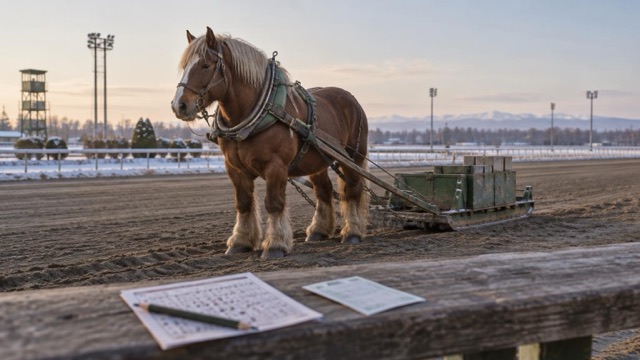
On a race day you can do far more than bet. Racecourses are large parks with food stalls, lawns, museums and grandstands, and plenty of people come just for the outing. The same is true at boat race venues, where you can watch the races, enjoy the food and check out the other attractions without placing a single bet8. Japan outlawed betting in 1908, and it was only in the late 1940s, after the war, that public racing came back as a state-sanctioned way to raise money for national and local governments8.
Betting at the track is pari-mutuel: all the money wagered on a race goes into a pool, the track takes its share, and the rest is split among the winners. The payout rate, the share of the pool returned to bettors, runs around 70 to 80 percent9. That is generous compared with most lotteries, and it is one reason racing is taken seriously here: people study form, racing newspapers and paddock appearances before they bet.
The racing calendar splits into two systems. Central racing, run by the Japan Racing Association (JRA), holds meetings at 10 racecourses, including Tokyo, Nakayama, Kyoto and Hanshin, mostly on weekends and holidays. Local racing (chiho keiba) is run by prefectures and cities at their own tracks, such as Kasamatsu, Sonoda and Oi, often on weekdays. Each system sells its own tickets, though some venues sell both: at Kasamatsu's off-course offices, for example, JRA tickets are sold only on JBC race days, public holidays and during Obon10.
Foreigner access to racecourses
There is no residency requirement, ID check or membership needed to walk into a Japanese racecourse. Foreign visitors, foreign residents and Japanese nationals all buy tickets the same way at the same windows and machines. The JRA's English FAQ puts it simply: you can purchase betting tickets at the 10 racecourses and the off-track betting facilities around the country1.
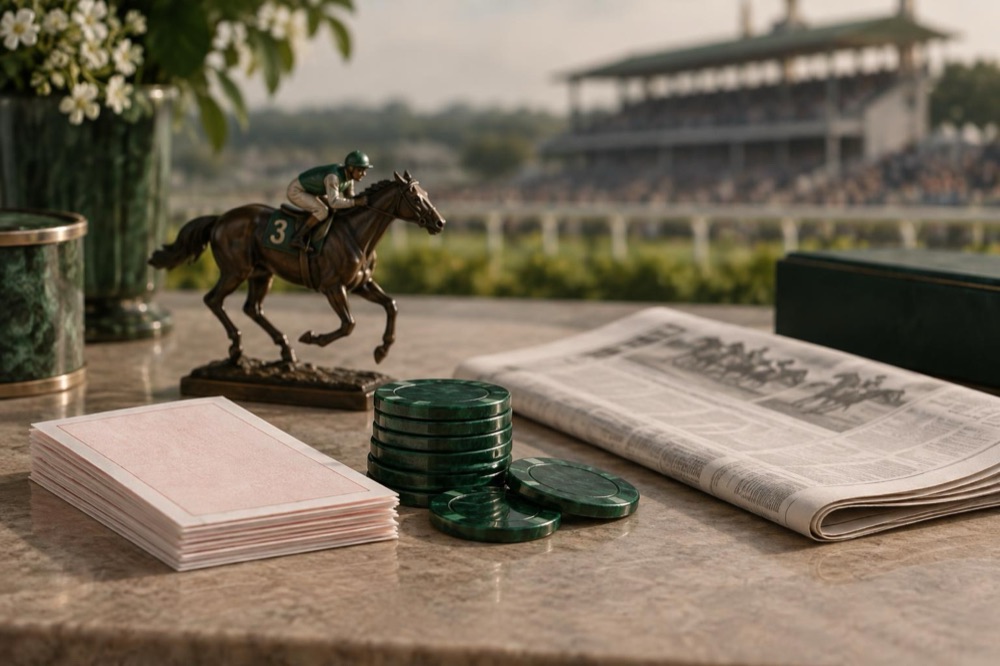
The main practical hurdle is language. Official race programs, betting cards and most signage are in Japanese, and some local services, such as the OddsPark regional racing site, are Japanese only. But the JRA has gone a long way toward fixing this for visitors: at the information desk you can collect, free of charge, English racing programs and a booklet that translates the Japanese mark cards into English4. The JRA also publishes a full English guide, "How to Bet," as a downloadable PDF11.
If you cannot make it to a track, off-course betting offices (called WINS for JRA racing) sell the same tickets in city centers. Velodromes for keirin work the same way, and the official keirin site notes it is easy to find a velodrome or off-track betting site near you12. Boat race venues number 24 across the country, and their betting cards list all of them13.
One restriction exists, but it does not affect ordinary visitors: racing organizers run an entry restriction system at racecourses and off-course offices for problem gamblers, including cases where the family of a person with a gambling addiction applies to have that person barred from entering14. Guards are trained and posted at entrances and ticket machines to enforce it. This is aimed at residents with a self-exclusion or family request, not at tourists.
How to place a bet at the track
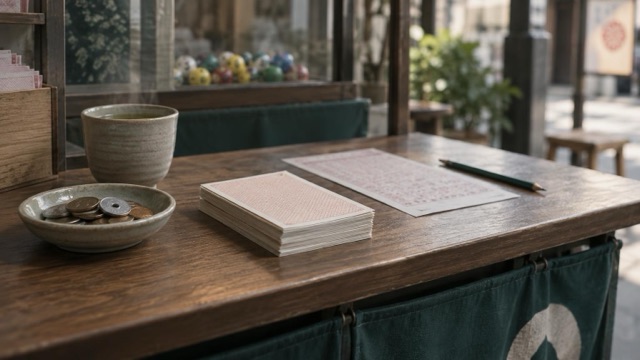
Japanese betting is done with a mark card, a paper card you fill in with a pencil and feed into a betting machine, or with a touchscreen terminal. The card has blocks for the venue, the race number, the bet type, the horse numbers and the amount. A local example from Sonoda and Himeji racecourses walks through it: in the location block you mark "Sonoda, Himeji," then the race number, the type of wager, the first finisher, and the amount and unit blocks16. So for a 100 yen win bet on horse No. 3 in the tenth race, you would mark those blocks and insert the card with your money into the machine.
The minimum ticket is small. The Horse Racing Act allows the JRA to sell pari-mutuel betting tickets with a face value of ten yen2, so you can experiment with very little money. The Act sets out five basic methods of pari-mutuel betting: win, place, correct-order forecast, either-order forecast, and multiple betting2, and the JRA has built its full menu of nine bet types on top of these.
Collecting a payout works the same way in reverse: you insert your winning ticket into a payout machine and it returns your money. Keep the ticket safe, because a lost ticket cannot be refunded.
If you are outside Japan, official online betting is possible. JRA internet voting accounts, including the "general PAT" and "A-PAT" types, can be used to buy Japanese racing tickets from overseas5. Overseas betting is internet only; push-phone voting is not allowed, and the hours run from 7:00 Japan time until two minutes before the scheduled start of the race, with afternoon races opening on race day and next-morning races opening the previous day17.
One thing not to do: buy Japanese racing bets from unofficial overseas internet bookmakers. The official guidance is blunt that applying for ticket purchases or receiving payouts through illegal offshore operators is an illegal act under domestic law, and users may be investigated by police and severely punished18. The same warning appears in the JRA's international guidebook: anyone who purchases bets from an illegal overseas internet seller faces severe punishment18. Stick to the track, the WINS offices and the official online accounts.
Learning the bet types before you go
Central horse racing in Japan offers nine bet types3:
| Bet type | What you pick |
|---|---|
| Win (tanoshii) | The first-place horse. |
| Place | A horse to finish in the top places, usually the top three in fields of 10 or more. |
| Bracket quinella | Two horses from different bracket groups to finish first and second in either order. |
| Quinella | The first two finishers in either order. |
| Wide | Two horses to both finish in the top three, in any order. |
| Trifecta | The top three finishers in the exact order. |
| Exacta | The first two finishers in the exact order. |
| Trio | The top three finishers in any order. |
| WIN5 | The winner of five designated races on the same day. |
The first three are the easiest for a first visit: a win or place bet is a single mark on the card. WIN5 is the hardest and carries the biggest payouts, since you must nail five races in a row. Our page on Japanese horse racing bet types breaks each one down with examples.
Before you go, download the JRA's Beginners' Book, which explains the betting ticket types, how to read racing newspapers, paddock viewing and ticket purchase methods20. The English "How to Bet" PDF covers the mechanics of the mark card step by step11, and the information desk booklet translates the card into English on the day4.
If horse racing feels like too much, the soccer pools are the simplest bet in Japan: toto's basic single bet costs 100 yen and asks you to predict all matches in one pattern, which the official site describes as a simple and easy way for beginners to play21. See our pages on toto soccer pools and sports betting in Japan for more.
Practical tips for a day at the races
A few things worth knowing before your first race day:
- Bring cash. Betting machines and windows take yen notes and coins. Foreign cards are of little use at the track.
- Get there early enough to look around. The paddock, where horses parade before each race, is the best place to see the animals up close, and the Beginners' Book explains how to use it20.
- Pick up the English materials first. The information desk hands out the English racing program and the mark-card translation booklet for free4. With those two, you can decode every card.
- Start small. With 10 yen tickets2, a few hundred yen lets you try several bet types across a race card.
- Watch the clock. Betting closes two minutes before the scheduled start of each race, and overseas online sales open at 7:00 Japan time17.
- Keep a record of any payout. If you win, the tax office asks that you note the race date, venue and race, the amount received, and the amount you wagered on the winning payout22. For most visitors this is a formality, but foreign residents with large wins should read our page on tax on gambling winnings in Japan.
- Do not expect to bet online while in Japan on anything but the four public racing sports. Online wagering is only allowed on horse racing, motorboat racing, bicycle racing and motorcycle racing run by the government or municipal bodies6. Online casinos are a different matter, covered below.
If you fancy trying another public sport, boat race venues sell their own tickets, called funaken, on site24, and their how-to guides explain how to make predictions from the boat numbers and course layout8. Keirin velodromes work on the same mark-card system, so the skills transfer directly12.
Who can take part: rules for foreign visitors
For racing, the short answer is: everyone. There is no rule distinguishing tourists from residents at any racecourse, velodrome, boat race venue or auto race track. You buy tickets with cash like anyone else, and overseas visitors can even bet remotely through official JRA internet accounts5.
The rules differ only at casinos, which are a separate matter. Japan's casino law, the Integrated Resorts Act, is built around foreign tourists: the government is required to set the scope of who may enter casino facilities with a view to preventing harm to persons other than foreign tourists25. Foreign visitors will be able to enter free of charge17. Japanese nationals and foreigners residing in Japan, by contrast, face limits: entry is capped at three times in any consecutive seven days or ten times in any consecutive 28 days23, counted through identity cards, along with an entry fee and restrictions on lending by casino operators26. Because the law treats residents differently from tourists, a foreign resident of Japan falls under the local limits, while a short-term visitor does not. The first resort, MGM Osaka, is the one to watch; see our page on casinos in Japan for the current state of play.
The one rule that applies to everyone in Japan, visitor or resident, is on online casinos. Connecting from Japan to gamble online, including on overseas-licensed online casinos, is a crime, and free versions of the games must not be used either27. Japanese law deems it a criminal offense for residents to use them, and offering or promoting access is also illegal6. A foreign license does not change this, because using a smartphone inside Japan makes it a domestic matter under Japanese law14. If you want to gamble online while in Japan, the only legal options are the official racing betting services; see our page on online gambling in Japan for the details.
Common Questions
Can tourists bet on horse racing in Japan?
Yes. Anyone in Japan, including foreign visitors, can buy betting tickets at the 10 JRA racecourses, local racecourses and off-track betting offices. Bets can also be placed online through official JRA account services.
Do I need to speak Japanese to bet at the races?
It helps but is not required. JRA racecourses hand out free English racing programs and a booklet that translates the Japanese mark cards into English, and the JRA website publishes an English how-to-bet guide.
Are there classes that teach foreigners how to bet?
There is no formal class, but the JRA publishes a free Beginners' Book covering ticket types, how to read racing newspapers, paddock viewing and how to buy tickets, and its English site walks through every step of placing a bet.
Can foreigners attend horse racing meetings in Japan?
Yes. Racecourses are open to everyone on race days. You can watch the races, eat at the food stalls and buy tickets without any residency requirement.
What should a first-time visitor know before going to the track?
Bring cash, pick up the free English program and mark-card booklet at the information desk, and expect to fill in a paper betting card that you feed into a machine. The minimum ticket is 10 yen, so you can bet very small amounts.
Is horse racing betting open to non-residents?
Yes. There is no residency check at the track. Even people outside Japan can bet on Japanese races through official internet voting accounts, though push-phone voting is not available from overseas.
Where can I learn how to bet on Japanese races?
The JRA's English site has a how-to-bet guide you can download as a PDF, plus a FAQ. On race days the information desk at the course gives out English programs and a mark-card translation booklet for free.
Sources27 sources
- Go Racing FAQ, Japan Racing Association, 2026
- Horse Racing Act, Japan Racing Association, 2023
- JRA bet types glossary, Japan Racing Association, 2026
- Go Racing guide, Japan Racing Association, 2026
- JRA FAQ on overseas ticket purchase, Japan Racing Association, 2026
- Japan gambling law news, MediaNama, 2025
- Gambling in Japan research paper, Oxford Brookes University, 2007
- Boat race venue guide, Boat Race, 2026
- Payout rates in public racing, National Tax Agency, 2026
- Kasamatsu facilities and sales, Kasamatsu Keiba, 2026
- How to Bet (JRA), Japan Racing Association, 2026
- Keirin velodromes, Keirin, 2022
- Boat race mark card venues, Boat Race, 2026
- Research paper on gambling law, National Tax Agency, 2025
- Family-application entry restriction, Boat Race, 2018
- How to fill a betting slip, Sonoda and Himeji Racecourses, 2026
- Casino resort bill news, Mainichi Shimbun, 2018
- Illegal betting warning, Japan Racing Association, 2026
- Bet types overview, Japan Racing Association, 2026
- Beginners' Book, Japan Racing Association, 2024
- Toto single bet, Toto, 2026
- Record keeping for payouts, National Tax Agency, 2026
- Casino entry limits for Japanese nationals, Japan Casino Regulatory Commission, 2026
- Boat Race English site, Boat Race, 2026
- Integrated Resorts Act, e-Gov, 2024
- Entry restrictions for residents, House of Councillors, 2018
- Entry limits under the casino law, House of Councillors, 2026