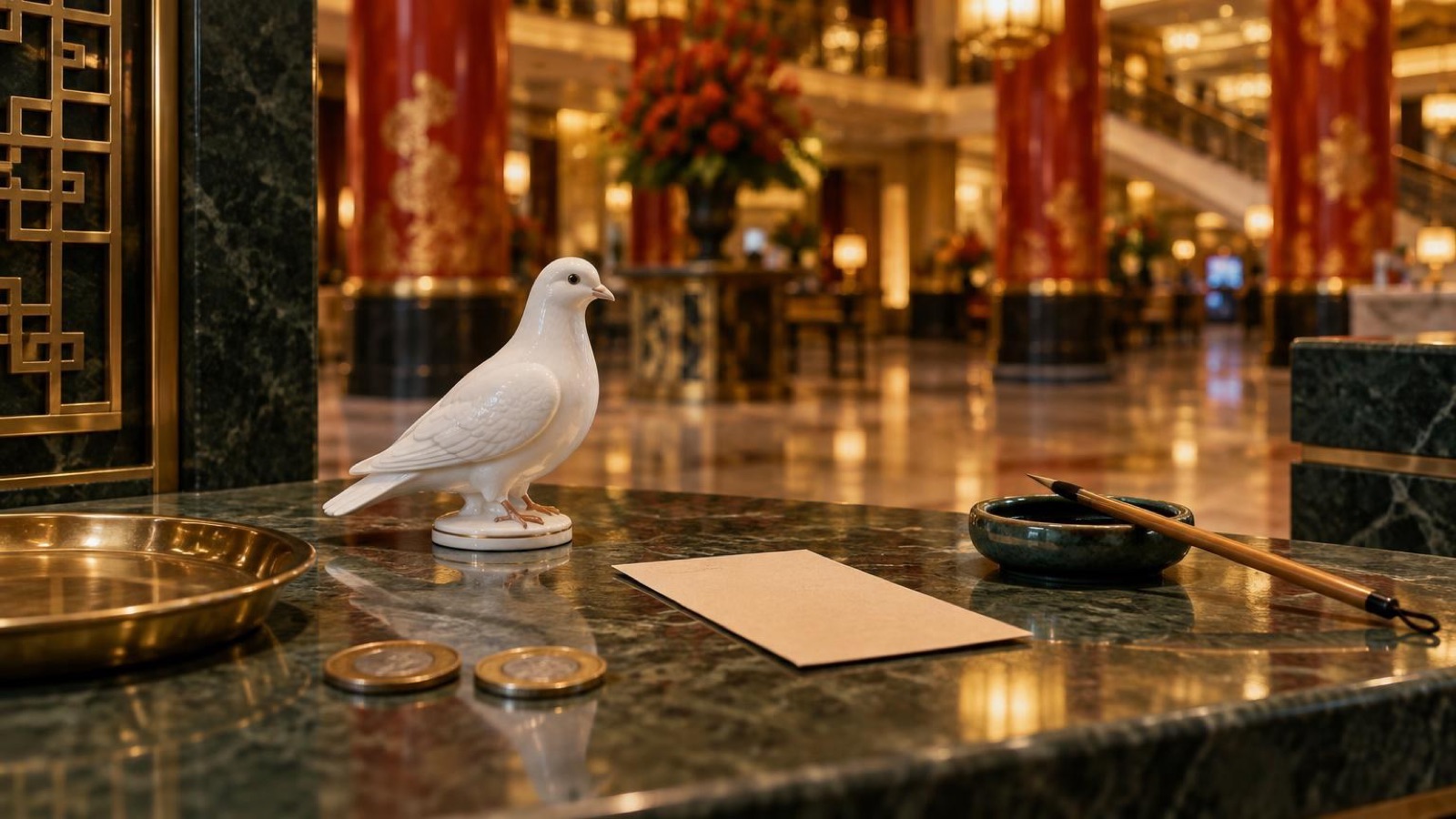
Macau's living character lottery
Pacapio is one of the oldest gambling games still running in Macau, and it looks like nothing else you will find in the city's glittering casino resorts. Instead of slot machines or baccarat tables, you get a paper ticket printed with rows of Chinese characters, a brush or pen to mark your choices, and a daily draw that has been running in one form or another for well over a century.
The name tells you a lot. In Cantonese the game is Pak Kop Piu, which translates as White Pigeon Ticket, and that is the name most English speakers use. The "pigeon" is usually explained by the way results were once carried: in the game's early days, winning numbers were distributed by carrier pigeon to surrounding villages, so a bettor in the countryside could learn whether his characters had come up without traveling to the city. Whether every part of that story is literal history or partly legend, the name has stuck, and the ticket itself has barely changed in appearance.
What has changed is the machinery around it. The draw was once done by hand, with a professional manager drawing the winning characters in front of bettors. Today the game sits inside Macau's licensed gambling system alongside the casinos, horse racing and sports betting that make up the rest of the city's offering. It is a small, quiet corner of that system, but a genuinely distinctive one, and its manual balloting has been replaced by computerisation4.
If you are planning a wider gambling trip, our page on gambling in Macau covers the full picture, and the Macau lottery explains the other draw games run in the city.
How the White Pigeon Ticket works: pick 10 of 80 characters
The rules of Pacapio are simple, and that simplicity is a large part of its lasting appeal.
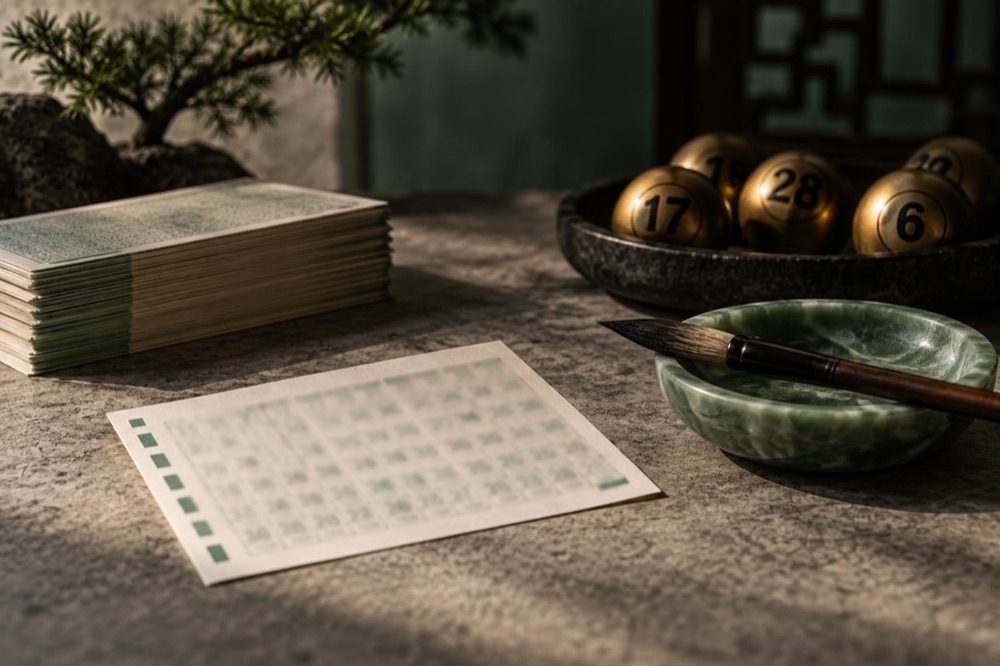
The ticket is printed with the first 80 characters of the Thousand Character Classic, a famous Chinese primer text. You select 10 of those 80 characters on your ticket. Then, at the draw, the gaming company draws 20 winning characters. The more of your 10 characters that appear among the 20 drawn, the more you win1.
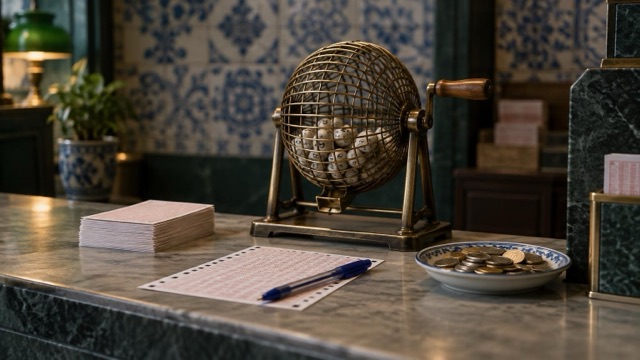
The physical ticket is a distinctive object. It is laid out as ten rows of eight columns of characters, printed in green ink, and bettors traditionally marked their choices with a brush dipped in ink5. Ten rows of eight columns gives you the 80 characters, and you would usually mark ten of them, one per row in the classic style of play. Even today, with computerized draws behind the scenes, the ticket keeps this old layout, so the object you hold in your hand is essentially the same one a bettor would have held a hundred years ago.
A few practical points on how a round works:
| Point | What happens |
|---|---|
| You pick 10 characters | That is the standard bet, and the ticket is designed around it1. |
| The house draws 20 characters | Every draw produces 20 winning characters from the same pool of 802. |
| Matches decide your prize | Matching more of the 20 drawn characters pays more; partial matches pay smaller fixed amounts. |
| The draw is computerized | The old manual draws, where characters were pulled by hand, have been replaced by computer draws, though the game itself is unchanged2. |
Because 20 of 80 characters are drawn, roughly a quarter of the pool comes up every day. That means small matches are common, which is part of why the game has always been popular with low-stakes bettors: a MOP 2 ticket has a real chance of returning something, even if the big prizes are rare.
Ticket price and top prize: MOP 2 to win up to MOP 300,000
Pacapio is a genuinely low-stakes game. A ticket costs MOP 2, and for that MOP 2 you have a shot at a top prize of up to MOP 300,000. That makes it one of the cheapest ways to gamble anywhere in Macau, and certainly the cheapest in anything run by a licensed operator. For comparison, minimum bets at casino table games in the big resorts start far higher, so Pacapio occupies its own niche entirely.
The prize structure works on a sliding scale. The top of the scale, up to MOP 300,000, goes to tickets matching the most characters among the 20 drawn. Below that, fixed smaller prizes are paid for matching fewer characters, so a ticket that catches only a few of the winning characters can still return a modest amount. The exact payout for each level of match is posted at the betting centers, and you can ask at the counter before you buy.
A few things worth knowing about the money:
- Currency. Prizes are paid in Macau patacas (MOP), the local currency. Hong Kong dollars circulate freely in Macau for most purchases, but lottery payouts are made in patacas.
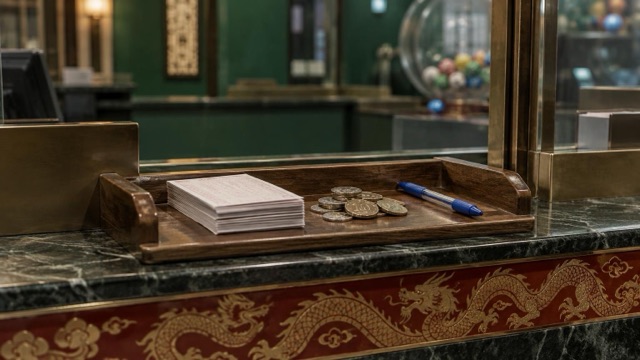
- Collecting winnings. Payouts are handled at the counters in the betting centers, the same counters where you buy tickets6. There is no claim-by-mail or claim-at-a-cashier-desk-in-a-casino arrangement; you go back to a betting center.
- Small bets, long odds. With 20 characters drawn from 80 and 10 picked, matching enough characters for the top prize is a long shot. The game's economics have always been built around many small payouts rather than frequent jackpots.
If you want to understand how gambling winnings are treated more broadly, including whether anything is withheld, see our page on tax on gambling winnings in Macau.
Where to buy tickets and watch the draws
Pacapio is sold through a network of betting centers rather than at casino cages or convenience stores. The concessionaire operates six betting centers that accept White Pigeon Ticket bets, and both the buying of tickets and the collection of payouts happen at counters inside those centers2.
The heart of the operation is the Lisboa betting center, located in the lobby of the Hotel Lisboa on the Macau peninsula. This is where the computerized draw takes place, and it runs on a generous schedule: draws are held daily from 10:00 am until 2:00 am the next morning2. In other words, the game is effectively running all day and well into the night, pausing only in the small hours. That schedule mirrors Macau's casinos, which are open 24 hours3, so a visitor keeping late hours in the city can still catch a draw.
The Hotel Lisboa location is convenient if you are staying on the peninsula. It sits in the heart of the old gaming district, close to the Grand Lisboa and within walking distance of several other major properties. If you are based in Cotai, the strip of reclaimed land where the biggest resort casinos sit, you will need to travel to the peninsula to bet on Pacapio; the betting centers are a peninsula-side affair. Our page on getting to and around Macau's casinos covers the transport options, which are easy and inexpensive.
One point on remote betting: the current operating contract for the White Pigeon Ticket does allow telephone betting and internet betting to be offered, but neither has ever been put into operation2. So while the legal framework exists for playing from home, in practice there is no phone or online channel, and everything happens in person at the counters. Anyone offering to sell you Pacapio tickets through a website or app is not part of the licensed system.
Where Pacapio still survives in Macau
Pacapio is a survivor. Over the decades, Macau's gambling scene has transformed around it, from the old fan tan houses of the mid-20th century to today's mega-resorts, but the White Pigeon Ticket has kept a foothold. Pacapio games are still available at some locations in Macau, according to the Macao Government Tourism Office3.
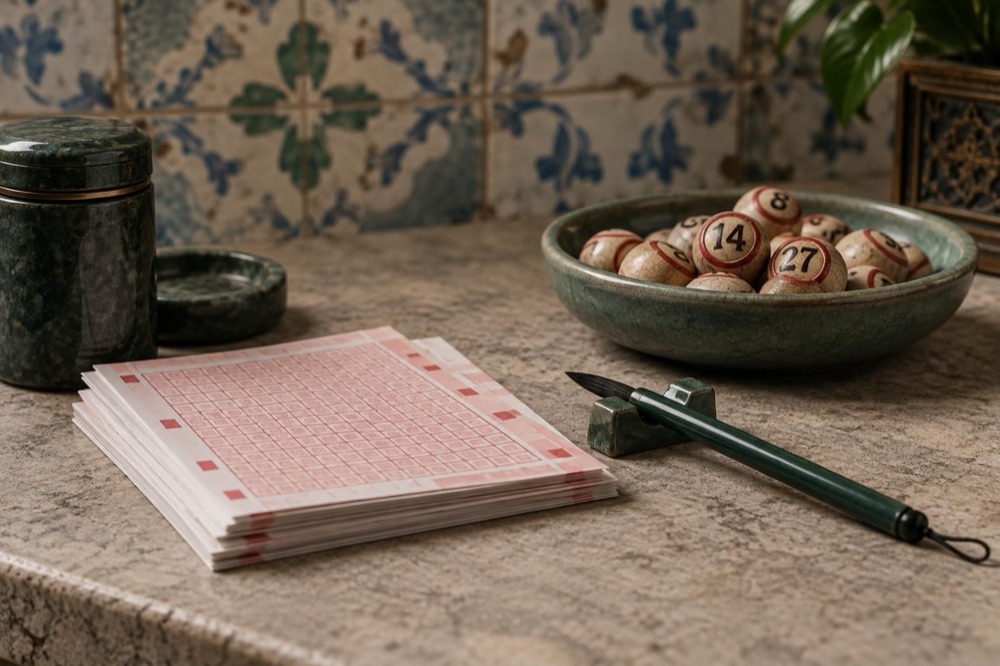
Its survival is not an accident of neglect. Under Macau's gaming rules, when it comes to Chinese-style lotteries, only pacapio and chimpupio lotteries may be offered7. That means the law itself singles out these two traditional games for preservation, and everything else in the Chinese lottery family has fallen away. Pacapio is the better known and more widely available of the pair.
The game's traditional home turf has shrunk, though. The old downtown gambling district, where the game was once sold in teahouses and side streets, has changed with the times, and some of the historic buildings associated with that era are no longer operating. The Central Hotel building in downtown Macau, one of the landmarks of the old gambling scene, still stands but is currently shuttered4. The action has consolidated into the licensed betting centers described above.
For context, Pacapio is not the only traditional Chinese game that has endured. Fan tan, the old bead game, is still available in some Macau casinos4, and you can read about it and its cousins on our page about fan tan, pai gow and traditional Chinese games in Macau. But Pacapio and chimpupio are the only ones of the old lottery-style games still standing, and Pacapio is the closest thing Macau has to a living museum piece that you can actually bet on.
Who plays
Pacapio has always been a local's game. Its ticket is printed in Chinese characters, its rules are rooted in a classical text that every historically educated Chinese person recognizes, and its betting centers sit in neighbourhoods rather than tourist corridors. The people you will see at the counters are overwhelmingly Macau residents, often older, playing for small stakes over long stretches.
That said, there is nothing stopping a visitor from playing. The game is open to anyone who walks into a betting center with MOP 2, and the staff handle ticket marking and payouts at the counter as a matter of routine. You do not need a membership, a players card or any registration. The main practical hurdle for a non-Chinese reader is the ticket itself: since the characters come from the Thousand Character Classic, you are choosing among Chinese characters, and if you cannot read them you are effectively picking blind. Some bettors treat that as part of the fun, choosing characters by shape or position, and there is no rule that says your selection method has to be scholarly.
The stakes culture is worth knowing before you go. This is a slow, sociable, low-roller game, closer to a neighborhood lottery than to a casino floor. Nobody at a Pacapio counter is betting more than a handful of patacas on a ticket, and the atmosphere is unhurried. If you are used to the intensity of the baccarat tables, the contrast is striking, and it is one of the reasons people seek the game out.
A little history
Pacapio's roots go back to Qing-dynasty China, where the White Pigeon Ticket was one of the most popular gambling games among ordinary people. In its original form, players selected 10 characters out of 80 taken from the Thousand Character Classic, and a professional manager drew the winning characters1. The game spread with the Chinese diaspora, and versions of it turned up wherever Chinese communities settled, from Southeast Asia to as far afield as New Zealand, where the pakapoo ticket was a familiar sight in Chinese-run gambling dens5.
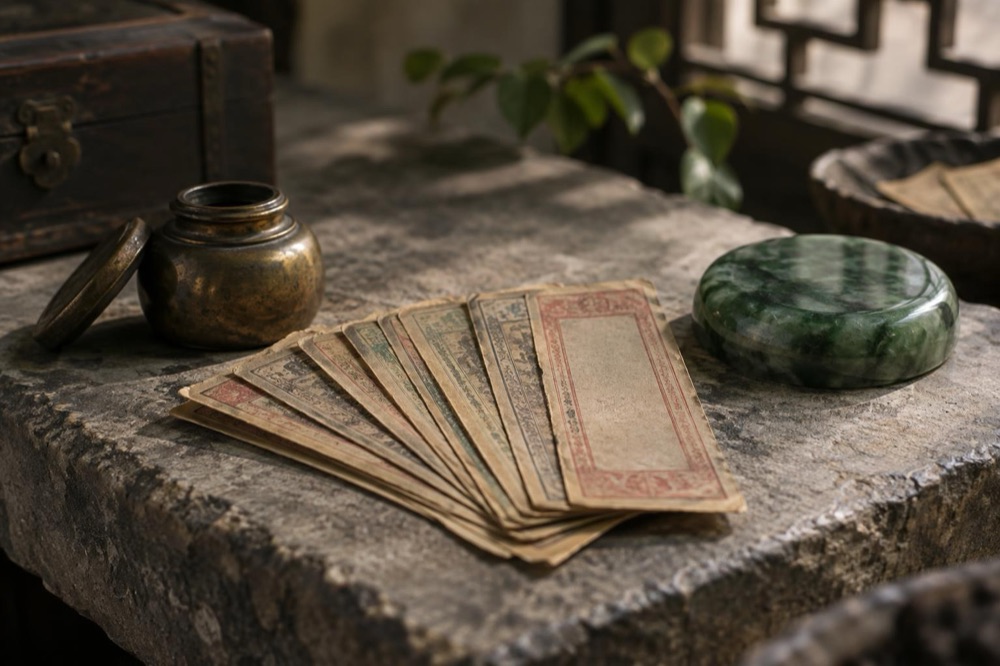
In Macau, the game became part of the licensed gambling structure early. The old gaming concession contracts listed the White Pigeon Ticket alongside the casinos and other games operated under the monopoly system, and the betting-center network was formalized under that arrangement6. When Macau's gaming sector was opened up and reorganized in the 2000s, with the casino monopoly giving way to multiple concessionaires, the traditional games were not discarded. Instead, the rules explicitly preserved pacapio and chimpupio as the only Chinese lotteries that may be offered8, a deliberate act of cultural conservation in a rapidly modernizing industry.
The draw itself was modernized along the way, as described above: the manual draws of the past gave way to the computerized system now running at the Lisboa betting center, while the ticket, with its ten rows of eight characters in green ink, kept its old form. If the history of the wider scene interests you, our page on the history of gambling in Macau fills in the rest of the story.
What a first-timer should know
If you decide to try Pacapio on a visit to Macau, here is the practical picture.
Getting there. Head to the Hotel Lisboa on the Macau peninsula, where the main betting center sits in the lobby and the draws run on the daily schedule described above. The other five betting centers of the six-center network are scattered on the peninsula side; ask at your hotel front desk for the nearest one, as they are ordinary shopfront counters rather than famous landmarks.
Buying a ticket. Bring cash in patacas or Hong Kong dollars, though expect payouts in patacas. Mark 10 characters from the 80 printed on the ticket; if you cannot read Chinese, pick by position or shape, or ask a local friend. Hand the ticket to the counter staff, who register your bet.
Watching the draw. The draw is computerized, so there is no dramatic ball machine to watch, but results are posted at the center as each round completes. Because draws run continuously through the day and evening, you will not wait long to see how your characters did.
Collecting. Return to a betting center counter to collect any winnings, as covered in the prize section above. Remember there is no online or telephone channel in operation, despite the contract allowing for one.
Keeping it in proportion. The odds of the top prize are long, so treat Pacapio as a cheap piece of living history rather than a serious gambling session. If you want to think about your habits more broadly, Macau's casinos have responsible gambling information kiosks at Studio City, Wynn Palace, Galaxy Macau, The Parisian, MGM Cotai, The Venetian and Grand Lisboa Palace9, and our page on gambling help in Macau lists where to turn.
Who may take part. The game is open to locals and visitors alike at the counter, with no membership or registration. As with all Macau gambling, you need to be of legal gambling age to place a bet, and the practical risk of playing outside the licensed system, such as through an unlicensed website claiming to sell Pacapio tickets, is that you have no legal protection at all.
Common Questions
How many characters do you pick on a Pacapio ticket?
You pick 10 characters. The ticket prints the first 80 characters of the Thousand Character Classic, and you mark 10 of them. The gaming company then draws 20 winning characters, and your prize depends on how many of your 10 match.
What is the Thousand Character Classic used on the ticket?
It is a classic Chinese text of exactly 1,000 characters, written in the 6th century as a reading primer. Pacapio uses its first 80 characters, printed on the ticket, and bettors choose 10 of them.
How much does a White Pigeon Ticket cost?
A ticket costs MOP 2. That is the base price for marking 10 characters, and the top prize can reach MOP 300,000.
What is the biggest Pacapio prize?
The top prize is up to MOP 300,000. Smaller prizes are paid for matching fewer of the 20 winning characters drawn.
Where are the draws held?
Draws are held at the Lisboa betting center in the lobby of the Hotel Lisboa on the Macau peninsula. They are computer draws, running daily from 10:00 am until 2:00 am the next morning.
Can you bet on Pacapio online or by phone?
No. The operating contract allows telephone and internet betting in principle, but neither has ever been launched. In practice you buy tickets and collect payouts at the counters of the six betting centers.
Sources9 sources
- White Pigeon lottery research paper, NCBI PMC, 2024
- DICJ games information page (archived), DICJ Macau, 2006
- Gaming shows and entertainment, Macao Government Tourism Office, 2021
- Fan tan to baccarat: a new book on Macau gaming law, GGRAsia, 2026
- Remembering Haining Street, stevenyoung.co.nz, 2007
- Macau gaming concession contract extracts, Boletim Oficial de Macau, 1997
- Macau gaming law update, Lexology, 2026
- Macau gaming law analysis, Lexology, 2024
- Responsible gambling information kiosks, DICJ Macau, 2026