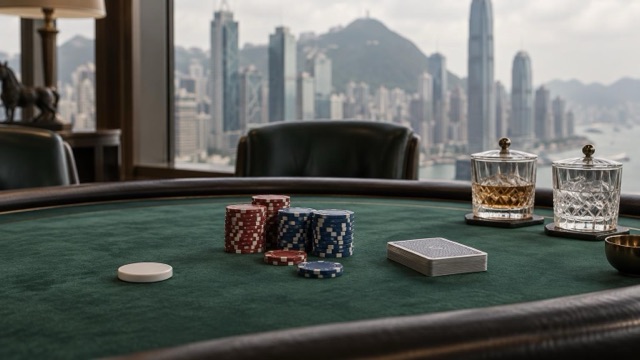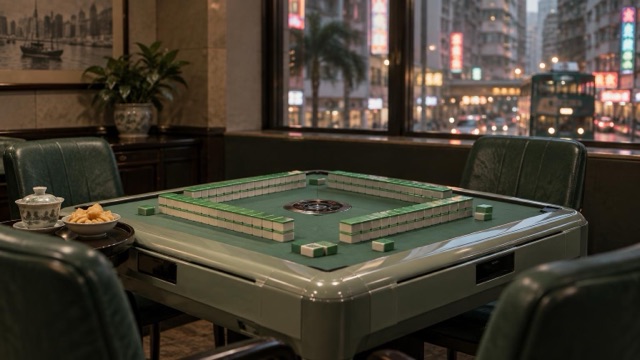
Hong Kong is one of the easiest places in the world to answer the question "do I pay tax on my winnings?" The answer is simply no. Whether you back a horse at Happy Valley, pick numbers in the Mark Six lottery, bet on football, or win at poker, no personal income tax falls on the money you take home. The tax that does exist in the gambling world, betting duty, sits on the other side of the counter: it is paid by the operators who run the betting, not by the people who win.
This page explains how that works, what betting duty actually covers, how winnings are treated in practice, and where the rules come from if you want to read them yourself.
Betting duty in Hong Kong: what it is and who pays it
Betting duty is a tax on gambling, but not on gamblers. It is charged on the authorized gambling operations in Hong Kong, which are regulated horse racing, football betting and the Mark Six lottery, all approved under the Betting Duty Ordinance, along with licensed activities such as mahjong parlors and exempted social gambling2. In practice, almost all of it comes from the Hong Kong Jockey Club, which runs racing, football betting and Mark Six.
The key point for you as a player: the duty is collected from the operator. When you place a bet with the Jockey Club on a horse race or a football match, or buy a Mark Six ticket, the tax side of the transaction is the operator's problem, not yours. You never receive a betting duty bill, and your payout is not reduced by a tax charge applied to you personally.
The Inland Revenue Department is the government body that collects betting duty4. It deals with the operators. If you are an individual winner, you have no filing to make, no form to fill in and no receipt to keep for this tax.
Here is the picture in one table:
| Game or activity | Who pays the tax |
|---|---|
| Horse racing (HKJC) | The operator pays betting duty |
| Football betting (HKJC) | The operator pays betting duty |
| Mark Six lottery | The operator pays betting duty |
| Online poker | No Hong Kong tax on winnings |
| Lucky draw or raffle prize | No betting duty at all |
What you pay on a win: Nothing
No tax on gambling winnings for players
The clearest statement of the rule concerns the city's most famous game. No Hong Kong tax law requires Mark Six winners to pay tax on their winnings1. Mark Six draws are normally held three times a week, on Tuesday, Thursday and either Saturday or Sunday, and if you hit the jackpot, the prize is yours in full. There is no "lottery tax" or "prize tax" deducted before payment, and nothing to declare afterwards.
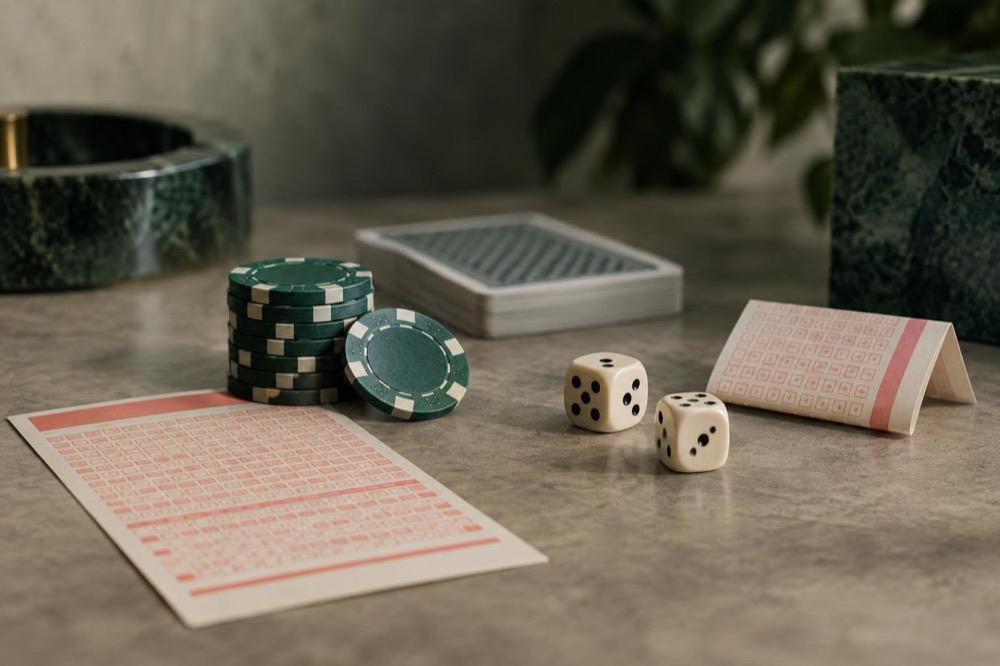
The same principle covers everything else. Hong Kong has no personal income tax on gambling winnings, so winnings from online poker are generally tax-free as well5. The exemption is long-standing: as far back as the 1990s, the law treated gambling winnings as exempt from taxation, even while company profits were not6. That distinction matters, and we come back to it below, because it separates the casual winner from the person running a gambling business.
The rule applies to everyone, not only to Hong Kong identity card holders. Visitors betting at the racecourse or buying Mark Six tickets are in the same position as residents: what you win is not taxed as your income. There is no separate rule for tourists and no departure tax on winnings.
For context, this places Hong Kong in a large group of jurisdictions that take the same approach:
- Canada does not tax lottery winners8
- Alderney licensees operate under rules with no taxation on winnings for players9
- In Sweden, gamblers do not pay tax on their game winnings9
Hong Kong's position is at least as clean as any of them: winnings are simply not part of the personal tax base.
Ordinary lucky draws: no betting duty and no betting duty document
Lucky draws deserve their own section, because they are the one area where a real scam pattern exists, and knowing the rule protects you from it.
The Inland Revenue Department does not charge betting duty on winners of ordinary lucky draw activities, and it does not issue any betting duty document to winners3. If you win a cash prize in a company lucky draw, a charity raffle or a shopping mall promotion, no betting duty bill follows, and no official receipt or "duty paid" certificate exists for such a prize.
The pattern is simple and effective. You receive a call or message saying you have won a draw you may not even remember entering. To release the prize, you are told, a government tax must be cleared first. You pay the "duty" to an account or a courier, and the prize never arrives.
The real rule makes the scam easy to defeat. The Inland Revenue Department will not demand betting duty from winners of cash prizes from lucky draws, and will not issue bills or receipts to them4. So any request that asks a winner to pay betting duty, whether to "release" a prize or to "regularize" it, is by definition not from the tax authority. Hang up, delete the message, and do not send money. If you want to confirm anything, contact the Department through its official channels, never through the phone number or link in the message you received.
What the betting duty actually applies to
So where does betting duty land, if not on winners? It applies to the authorized gambling operations themselves: the regulated horse racing, football betting and Mark Six lottery approved under the Betting Duty Ordinance, along with licensed mahjong parlors and the exempted social gambling covered by the Gambling Ordinance2. Everything else in Hong Kong is outside the authorized system, and betting duty is not a tax you would ever encounter in it.
For a player, the practical effect is that the duty is built into the economics of the authorized games rather than added to your payout. The clearest example is pari-mutuel horse racing. Under the official betting game rules, winnings are calculated from the total stakes of each betting pool after the government tax and commission have been deducted7. In other words, the tax on racing is taken out of the pool before the payouts are worked out, not taken out of your winnings afterwards.
A worked example shows what this means. Suppose a betting pool at Sha Tin or Happy Valley holds a large amount in stakes on a race. The government tax and the operator's commission come off the top of that pool. The remaining amount is what gets divided among the winning tickets. You never see the deduction on your betting slip, because it happened before the dividend was declared. The dividend printed on the results screen is what you actually receive per unit staked, with nothing further withheld.
This is why the question "is my payout taxed?" has a slightly layered answer for racing and football pools. Your winnings are not taxed. But the pool you were paid from was already net of the duty. For Mark Six prizes, the prize tiers are likewise fixed published amounts, and no tax is clipped from them on the way to you1.
How winnings are treated in practice
In day-to-day terms, here is what the rules mean for someone who bets in Hong Kong.
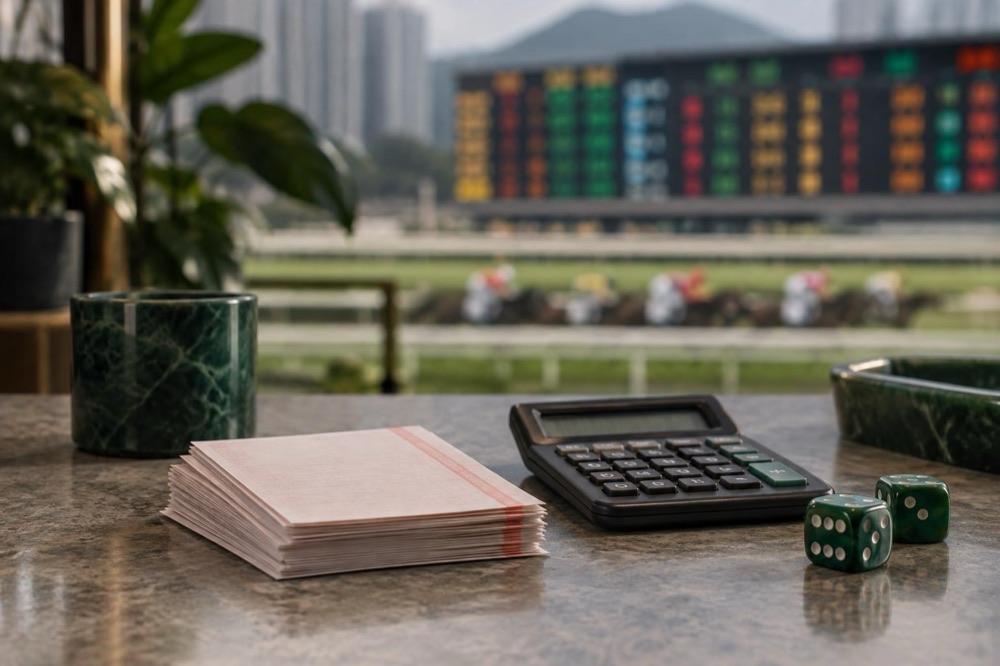
At the point of payment. When you collect a Mark Six prize at a Jockey Club branch, or cash a winning ticket at the racecourse, you are paid the full amount shown. There is no withholding, no tax form and no declaration.
At tax time. Gambling winnings are not part of assessable income for individuals, so they do not appear in your tax return. There is no requirement to keep records of casual gambling winnings for tax purposes1. You can keep your tickets for your own interest, but the tax authority has no use for them.
Losses and winnings do not interact. Winnings are treated as windfall gains, not income, and losses are not deductible1. Someone who wins a fortune on Mark Six owes nothing on it, and someone who loses a fortune over a season of racing gets no deduction for it. The two sides are symmetrical: gambling is not a trade in the eyes of the personal tax system.
The one edge case worth knowing about concerns people whose gambling amounts to a business. In principle, income could be brought into tax charge if gambling amounts to a trade or business, though in practice this is exceptionally rare and would require a finding that the person was genuinely operating as a professional1. This is not a rule aimed at the lucky winner or the regular weekend punter. It is the theoretical basis for taxing someone who treats gambling as a commercial operation, and it is almost never applied. The contrast with company profits is instructive: gambling winnings have long been exempt from taxation, but company profits are not6. A professional syndicate organized as a business, earning profits rather than windfalls, sits on the taxable side of that line. A person who wins, even repeatedly and even large amounts, does not.
For online poker players the same logic holds. Hong Kong has no personal income tax on gambling winnings, so online poker winnings are generally tax-free5. The rare trade-or-business exception is the only theoretical route to a tax charge, and it is not a realistic concern for recreational players.
Where the rules come from: the official source
If you want to read the rules in the government's own words, the place to go is the Inland Revenue Department's FAQ page on betting duty, available in English and Chinese4. It states plainly that the Department will not demand betting duty from winners of cash prizes from lucky draws and will not issue bills or receipts to them, and it carries the scam warning quoted above3.
The wider framework sits in two ordinances. The Betting Duty Ordinance (Cap. 108) is the law under which the government approves and taxes regulated horse racing, football betting and the Mark Six lottery2. The Gambling Ordinance covers what is lawful gambling in the first place: apart from the approved racing, football betting and Mark Six, licensed activities such as mahjong parlors, and exempted social gambling under section 3, other gambling activities are unlawful2. You can read more about that framework on our page on gambling laws in Hong Kong.
For the mechanics of pool betting, the official horse race betting game rules set out how winnings are calculated from total stakes after the deduction of government tax and commission7. And for the general position on winnings, the long-standing exemption of gambling winnings from taxation, contrasted with the taxation of company profits, has been part of Hong Kong's landscape for decades6.
The short version, and the one worth remembering: in Hong Kong, the tax on gambling is paid by the house, not by the player who beats it.
Common Questions
Do I have to pay tax on casino winnings in Hong Kong?
No. Hong Kong does not levy a personal income tax on gambling winnings, so anything you win, at home or abroad and brought back, is not taxed as your income.
Is there a betting duty document for lucky draw winners?
No. The Inland Revenue Department does not issue any betting duty bill or receipt to lucky draw winners. If someone asks you to pay betting duty on a prize, it is a scam.
Are lucky draw prizes taxable in Hong Kong?
No. Ordinary lucky draw winnings carry no betting duty and no other tax charge on the winner. You keep the full prize.
What is betting duty in Hong Kong?
It is a tax charged on the authorized gambling operators: regulated horse racing, football betting and the Mark Six lottery. It is collected from the operators, not from individual winners.
Do tourists pay tax on gambling winnings in Hong Kong?
No. Visitors and residents alike pay no tax on gambling winnings in Hong Kong. The exemption applies to everyone who wins, not only to locals.
Who collects betting duty in Hong Kong?
The Inland Revenue Department collects betting duty from the authorized operators, mainly the Hong Kong Jockey Club, which runs horse racing, football betting and Mark Six.
Sources9 sources
- Betting duty in Hong Kong, AC Accounting HK, March 10, 2026
- Gambling, Home and Youth Affairs Bureau, 2026
- 博彩稅常見問題, Inland Revenue Department, 2026
- Betting Duty FAQ, Inland Revenue Department, 2026
- Hong Kong poker guide, SoMuchPoker, February 23, 2026
- The gambler who cracked the horse racing code, Bloomberg, May 3, 2018
- Horse race betting game rules, Singapore Pools, July 6, 2026
- Đề xuất tăng thuế với người trúng thưởng, VnExpress, 2026
- International gambling licenses: current scope and future outlook, ENV Media, October 24, 2021