

What these six velodromes have in common
Hakodate, Aomori, Iwaki-Taira, Yahiko, Maebashi and Toride are all keirin tracks. Keirin is Japanese track cycling, and the velodromes that host it are spread all over the country, from Hokkaido in the north to Kyushu in the south3. There are about 43 of them in total, and each one is both a racing venue and a betting site: you can watch the races and place bets in the same building4.
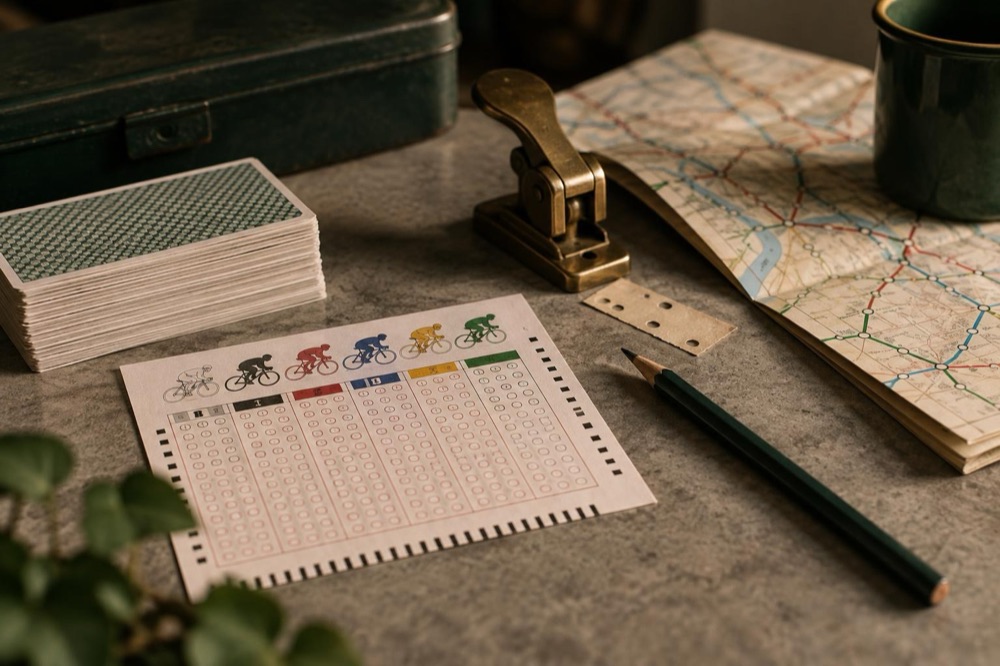
The basic experience is the same wherever you go. You walk in, find a seat, study the race card, fill in a mark sheet, buy a ticket from a machine, and then watch the riders go around the banked track. If your ticket wins, you collect at a counter or machine before you leave1.
Five of the six tracks on this list (Hakodate, Aomori, Iwaki-Taira, Yahiko and Maebashi) also appear on the list of venues that host Midnight Keirin, a night racing format; Toride does not4. That matters for timing: a night meeting starts in the afternoon and runs into the evening, which suits anyone who wants to spend the day sightseeing first.
One thing to know before you plan a trip: a velodrome is not open every day like a museum. It operates around its meeting calendar, and meetings come in blocks of consecutive days. Between meetings, the track is quiet. So the single most useful thing you can do is check the schedule for the specific track and date you have in mind5.
Where each track is and how to get there
Each velodrome sits in or near a city, and most are reachable by train plus a short walk or bus ride. The tracks on this list are scattered across the country, so you would not visit them in one trip. Pick the one that fits your route.
| Velodrome | Location | Details |
|---|---|---|
| Hakodate Velodrome | Hakodate, the port city at the southern tip of Hokkaido | A short trip from the center; also a night meeting venue4; the JRA Hakodate Racecourse at 12-2 Komaba-cho is a separate venue with its own schedule, so do not confuse the two6 |
| Aomori Velodrome | Aomori, at the northern end of Honshu | One of the tracks that runs night meetings, so an evening visit is possible during its meetings4 |
| Iwaki-Taira Velodrome | The Iwaki area of Fukushima Prefecture | Also hosts night meetings4 |
| Yahiko Velodrome | Niigata Prefecture, near the Yahiko shrine area | Also a night meeting venue4 |
| Maebashi Velodrome | Gunma Prefecture, north of Tokyo and reachable on the Shinkansen network | On the night meeting list as well4 |
| Toride Velodrome | Ibaraki Prefecture, also within reach of Tokyo | A smaller track that, like the others, runs to a meeting calendar rather than a daily schedule |
For any of them, the routine is the same: check the meeting dates first, then plan your train. If you are coming from Tokyo, Maebashi and Toride are the easiest of the six to reach for a day trip.
Race formats: what a keirin meeting looks like
A keirin meeting is a block of race days, usually three or more in a row. Within each day there are several races, each with a field of riders. The races are short, often just a few laps of the banked track, and they run back to back through the session.
Meetings are graded. The grade and the name of the meeting are shown on the official schedule along with the velodrome name and the dates7. F-class meetings, which are the lower grades, are mainly held on weekdays. The higher-grade races are mostly held on Saturdays and Sundays2. That split is useful if you want a quieter weekday visit or a bigger weekend crowd.
If you want to look up results, the official site shows results for a given velodrome going back up to 15 meetings7. So you can check how a track has been running before you go.
On the day itself, expect a mix of regulars studying form and casual visitors. The atmosphere at a keirin track is relaxed and social. You do not need to know anything about cycling to enjoy it, and the official guidance is explicit that beginners can enjoy keirin easily even on a first visit3.
How to bet at the track and off-site
Betting at a velodrome is a simple, physical process. There is no app required and no account to open.
- Find a velodrome or an off-course ticket sales office8.
- Pick up a mark sheet, which is the form the venue provides1.
- Fill in your selections on the mark sheet8.
- Insert your money and the completed mark sheet into the ticket machine1.
- Take the printed betting ticket and keep it safe1.
- Watch the race, then check your ticket against the result.
The minimum stake is JPY 100 per bet unit1. That is the standard across the main bet types, so a first bet costs about the price of a snack. Larger stakes are just multiples of that same unit.
If you would rather not travel to the track, off-course ticket sales offices let you bet on races held elsewhere. At a velodrome you can watch from various seats around the track, while at an off-course office you watch on a big screen9. Both are legitimate ways to play, and both pay out the same way.
One practical note on bet types: not every meeting offers every bet type. At one past meeting at Kishiwada Velodrome, for example, trifecta, trio and wide bets were not sold at any outlet for that meeting, leaving the simpler two-horse and two-frame bets10. So if you have a specific bet in mind, check what is on sale for that meeting before you count on it.
Prizes, payouts and special races
When your ticket wins, you collect in person. Take the winning ticket to the velodrome where the race was held, to an off-course ticket sales office, or to a place designated by the organizer1. The time limit is 60 days, so do not put the ticket in a drawer and forget it1.
Payouts are made in yen, at the venue. There is no need to register or give ID to collect a standard winning ticket.
Beyond the ordinary races, keirin has a graded structure that gives the bigger meetings more weight. The top grades are the ones that draw the strongest fields, and the schedule labels each meeting with its grade so you know what you are watching7.
There is also a collector's element for regulars. If you hit both an F race (F1 or F2) and a G race (GP, G1, G2 or G3) at every velodrome nationwide, you complete what the official site calls "all velodrome collection," which is marked on your betting results screen along with the date you achieved it11. It is a long-term goal rather than something a visitor will finish in a trip, but it explains why some regulars keep careful records.
For a first-time visitor, the realistic goal is simpler: pick a race, place a JPY 100 bet, and see how it feels to watch your pick come around the final bend.
Rules for visitors: what foreigners should know
The good news is that there is no separate rulebook for foreign visitors. Velodromes and off-course betting sites are open to the public, and the process is the same whether you are a citizen, a resident or a tourist1. You do not need a membership card to place a bet.
A few practical points will make the day smoother.
Bring cash. The ticket machines take coins and notes, and you will want yen for the machines, for food, and for any payout handling. Do not assume a foreign card will work at a betting terminal.
Check the schedule first. Because tracks run to meeting calendars rather than daily hours, turning up on a non-race day means an empty venue5. Confirm the dates before you travel.
Expect some photography limits. Some velodromes ask visitors to refrain from taking photographs, to prevent trouble2. If you see a sign or a staff instruction, follow it. It is a courtesy rule, not a ban on visitors.
Use the beginner facilities if you want them. Some tracks run a beginner guidance room, and the basic facilities include betting booths, grandstand seats and restaurants3. If you are unsure how to fill in a mark sheet, staff at these rooms can help.
Plan around the meeting type. If you want a lively weekend crowd, aim for a graded meeting on a Saturday or Sunday. If you want a quieter visit with more room to ask questions, a weekday F-class meeting is the better choice2.
For anyone building a wider trip around Japanese racing, the same practical approach applies at the country's other tracks. If you want to compare formats, our guide to betting on keirin in Japan covers the sport in more depth, and off-course betting in Japan explains how the WINS and J-PLACE shops work if you would rather bet away from the track. Boat racing fans can look at betting on boat racing in Japan, and horse racing visitors can start with betting on horse racing in Japan.
Common Questions
Can tourists bet at Japanese velodromes?
Yes. Velodromes and their off-course betting sites are open to visitors, and there is no rule limiting betting to Japanese citizens. You fill in a mark sheet, buy a ticket from a machine, and watch the race. Bring cash in yen, since the machines take coins and notes rather than foreign cards.
What is the minimum betting amount at a velodrome?
The standard minimum is JPY 100 per bet unit. That applies across the main keirin bet types, so a first-time visitor can try a race for the price of a coffee. Larger bets are simply multiples of that same JPY 100 unit.
Are the venues open on race days only?
Keirin velodromes generally operate around their meeting schedule rather than every day. Meetings run for several consecutive days, and F-class meetings are mostly held on weekdays while higher-grade races tend to fall on weekends. Check the current schedule before you travel.
Is there seating inside?
Yes. Velodromes have grandstand seats, and you can watch from various positions around the track. Some venues also run a beginner guidance room for first-timers. A few tracks ask visitors to avoid photography, so follow any signs you see on the day.
How do you collect winnings?
Take your winning ticket to the velodrome where the race was held, an off-course ticket sales office, or a place designated by the organizer. You must collect within 60 days. At the track, staffed counters and machines handle payouts, and you are paid in yen.
What time do races start?
Start times vary by venue and by meeting type. Day meetings typically begin in the late morning, while night meetings start in the afternoon and run into the evening. Check the individual velodrome's schedule for the exact first-race time on your date.
Sources11 sources
- How to bet at velodromes, KEIRIN.JP, 2022
- 競輪場についてのご質問, KEIRIN.JP, 2023
- 競輪場のご案内, KEIRIN.JP, 2022
- ミッドナイト競輪とは, KEIRIN.JP, 2026
- レーススケジュール, KEIRIN.JP, 2026
- Local OTB, Japan Racing Association, 2026
- 競輪の基本情報, KEIRIN.JP, 2024
- 競輪の投票方法, KEIRIN.JP, 2022
- 自行车馆和场外车券销售处, KEIRIN.JP, 2022
- 岸和田競輪の発売について, KEIRIN.JP, 2010
- 全競輪場コレクション, KEIRIN.JP, 2026







