
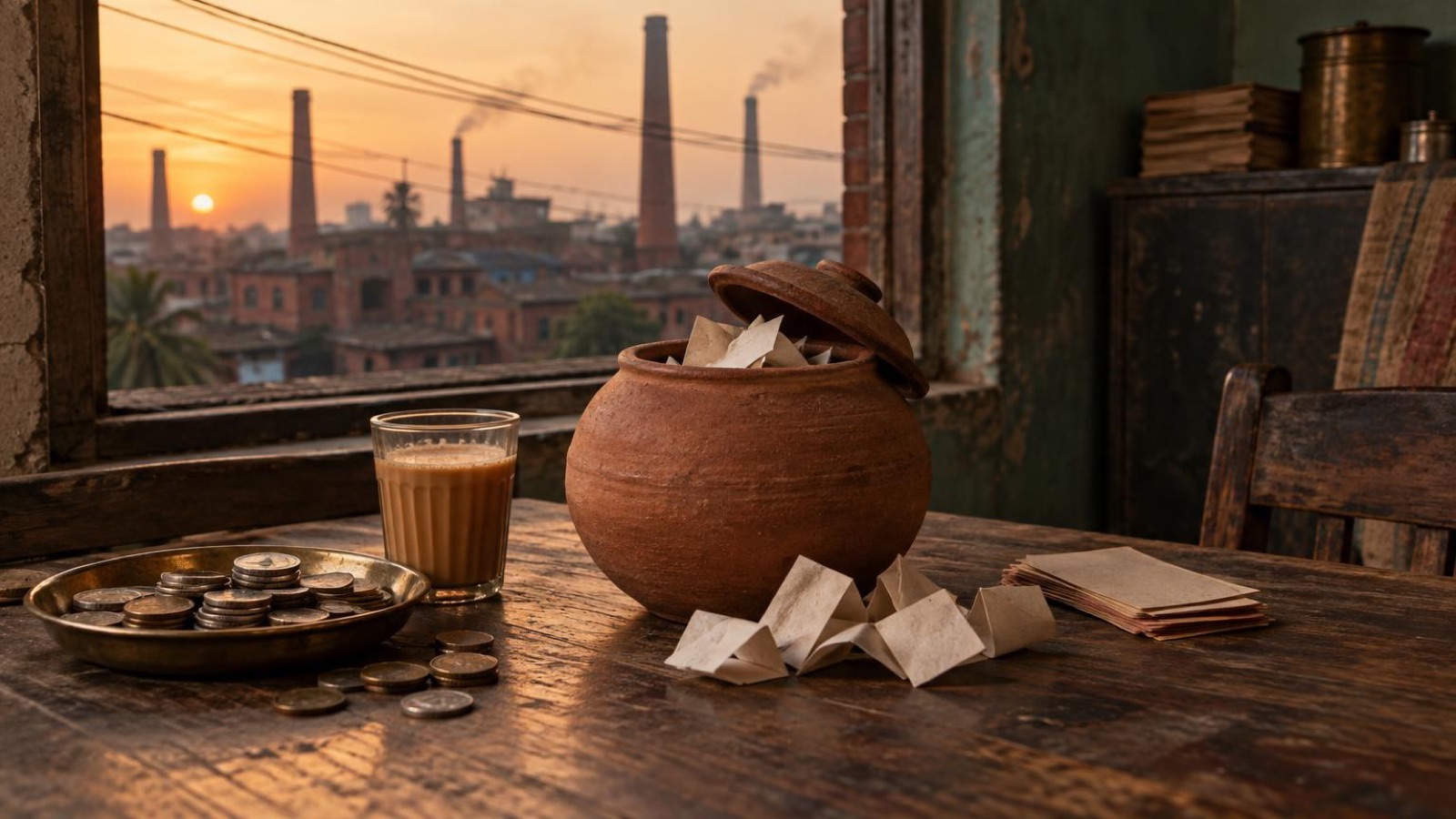
Matka gambling originated in Mumbai in 1962
The game you would recognize as matka today has a clear starting point: Mumbai, 1962. That is the year Ratan Khatri, a Sindhi cotton trader, took an existing form of betting and rebuilt it around a pot draw, and the format he created is the one that carried the name for the next sixty years1.
Before 1962, the betting looked nothing like a lottery. Punters wagered on the opening and closing rates of cotton transmitted to the Bombay Cotton Exchange in Sewree from the New York Cotton Exchange, with the numbers arriving by tele-printer6. That practice, sometimes called ankara jugad, was informal betting on prices rather than a game with its own rules4. Khatri and other punters were part of that world before he changed it.
What Khatri did was streamline and Indianize the format. Instead of waiting on cotton prices from New York, he drew numbered chits from a matka, an earthen pot, and paid out on the results4. The change gave players better odds, more transparency and quicker returns than the price-based betting they were used to. It also gave the game its name, and its draw time: the opening numbers were unveiled at 9 PM3.
The timing matters for anyone trying to date the game. If you are asking when matka started, the answer depends on which matka you mean. The cotton-price betting that preceded it began in the 1950s, just after India's Independence7. The pot-draw game that everyone now calls matka began in 19628.
The game's birthplace: Mumbai
Mumbai is not just where matka started. It is where the business grew, where the bookies set up, and where the game entered everyday speech.
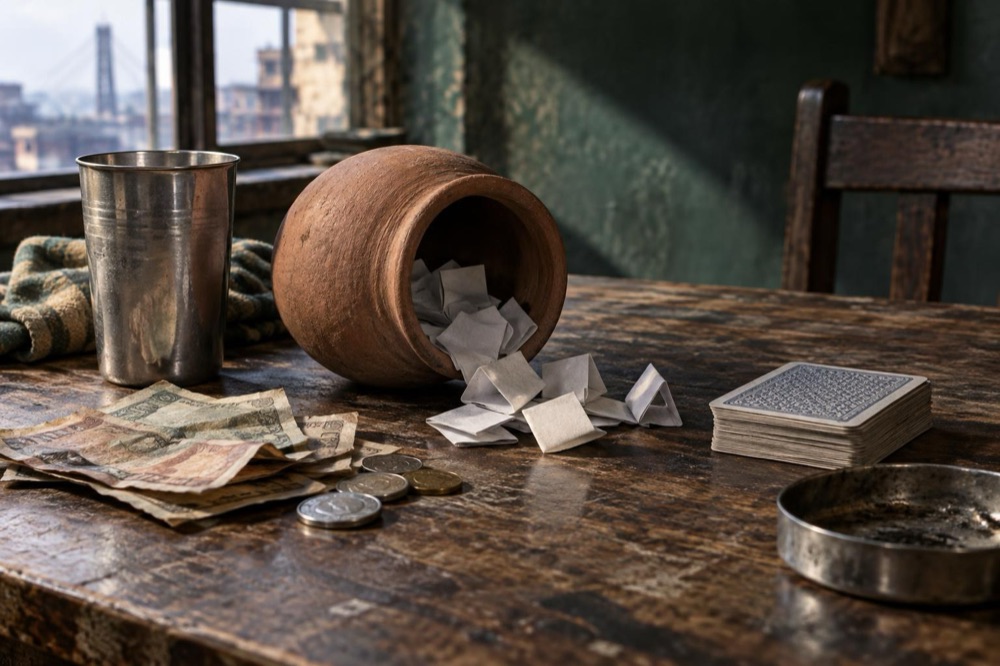
The early growth ran through the textile mills. When the mills were flourishing, lakhs of mill workers were drawn to matka, and scores of bookies opened shops near the mill areas. That is how Central Mumbai became the hub of the matka business4. The geography was practical: the customers were concentrated, the cash moved daily, and the shops sat where the workers already were.
From that base the player pool widened sharply. By the 1970s the biggest movie stars, producers, music composers and politicians of the time had started playing4. Matka gained immense popularity in Mumbai across that decade9. What had begun as a mill-worker's bet became a citywide habit that crossed class lines.
The scale is worth putting in numbers. At the height of the business in the 1980s and 1990s, over Rs 500 crore was laid as bet every month6. Khatri is credited with turning matka into India's biggest betting racket and building a nationwide gambling network that lasted for decades under his control2. A single Mumbai game had become a national operation.
The game also left a mark on the language. In 1960s Bombay, "matka" entered the local slang as a term for dumb luck or a fluke, the kind of word that only sticks when everyone already knows the game it came from3.
Origins in the press record
The press record on matka is unusually consistent for a game with no official paperwork. Multiple outlets, writing years apart, give the same origin: Mumbai, 1962.
- The Deccan Chronicle describes matka as a form of gambling in India that originated in Mumbai in 19621
- The same line appears in coverage of Khatri's death, which calls matka a form of gambling that originated in Mumbai in 1962 and credits Khatri with transforming it into India's biggest betting racket2
- Zee News, reporting Khatri's death at 88, dates the game to 196210
The Statesman credits Khatri with revolutionizing the matka gambling system in Mumbai in 196211. The Indian Express, reporting his death in Mumbai, describes the game as one that involved drawing lots from chits in a pot and notes that there were days when the daily turnover from gambling touched as high as Rs one crore12.
The 1950s date appears in a different strand of coverage, describing the earlier cotton-price betting. India Today traces Satta Matka to the 1950s, when people placed bets on the opening and closing rates of cotton transmitted to the Bombay Cotton Exchange from the New York Cotton Exchange7. The same outlet, in a separate explainer, calls it a full-fledged lottery game that started in the 1950s just after India's Independence8.
Put the two strands together and the timeline is clean.
- Cotton-price betting from the 1950s
- The pot-draw game from 1962
- National expansion through the 1970s and 1980s
- Peak turnover in the 1980s and 1990s
Was matka always based in Mumbai?
The business was rooted in Mumbai, but the man behind it was not from the city. Ratan Khatri was a Sindhi who migrated to Mumbai from Karachi after Partition, and for a long time the matka business in Mumbai and neighboring areas was synonymous with him6.
That background explains the game's original form. Khatri and other punters bet on the opening and closing rates of cotton transmitted to the Bombay Cotton Exchange in Sewree by the New York Cotton Exchange via tele-printers6. The cotton trade was the world he already knew, which is why the first version of matka was a cotton-price bet rather than a numbers draw.
Once the pot-draw format took hold, the game did not stay inside Mumbai. Under Khatri's influence it evolved into a large-scale, nationwide gambling network11. The headquarters stayed in the city, but the players and the bookies spread.
The legal position followed the game everywhere. Matka is illegal in India under the Public Gambling Act 1867, which restricted most forms of gambling and specifically made games of pure chance such as satta illegal5. In Goa and parts of western India it has been described as an illegal but extremely popular form of gambling9. In 2015 a Goa BJP MLA even called for it to be legalized, which tells you how firmly it had taken hold despite the ban9.
What does the word matka mean?
Matka means an earthen pot, and the name is literal. The winning numbers were produced by drawing lots from chits in a pot12. The pot was the game.
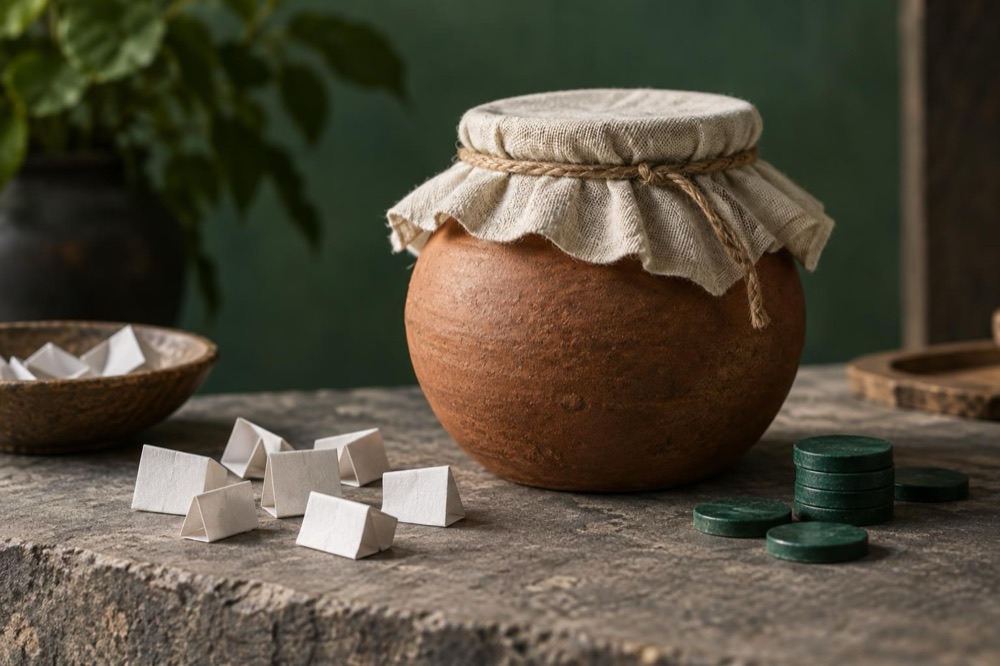
That is why the terminology around matka is so tied to the object and the draw. The matka was a money-spinner, and there were days when the daily turnover from gambling touched as high as Rs one crore12. The draw itself was the event: the opening numbers were unveiled at 9 PM3.
The game also produced its own title. A person who wins a great deal of money from Matka gambling is known as a "Matka King"8. Khatri earned the nickname because of the betting system he pioneered, and it stuck to him for the rest of his life1.
The word did double duty in Bombay. Beyond the game itself, "matka" became slang for dumb luck or a fluke, a sign of how completely the game had entered the city's vocabulary3.
Who invented matka gambling?
Ratan Khatri is the name attached to the invention. He was a Sindhi cotton trader who reinvented gambling with a popular new game in 1960s Bombay, and he is credited with creating the modern format3.
His specific contribution was the pot draw. Khatri tweaked and Indianized the existing betting, streamlining the format with the act of drawing numbered chits from a matka and improving odds, transparency and returns for players4. That is the change that turned a cotton-price wager into a game anyone could play and understand.
The scale he built was remarkable. Khatri transformed matka into India's biggest betting game and established a nationwide gambling network that lasted for decades under his control2. At its height, over Rs 500 crore was laid as bet every month6. He was long synonymous with the matka business in Mumbai and neighboring areas6.
His life has since become the subject of a film and a streaming series. The film Matka is based on the life of Ratan Khetri, who was called "Matka King" because of the betting system he pioneered1. The series Matka King is loosely inspired by the life of Ratan Khatri, a Sindhi cotton trader who reinvented gambling with a popular new game in 1960s Bombay, and is set in 1960s Mumbai3. The series follows a gambling fixer in 60s Mumbai, with the opening numbers unveiled at 9 PM4.
Ratan Khetri was nicknamed the Matka King because of the betting system he pioneered10. Matka is a form of gambling that originated in Mumbai in 196212.
How old is matka gambling?
The modern game is more than sixty years old. Counting from the 1962 pot draw in Mumbai, matka has been running for over six decades1.
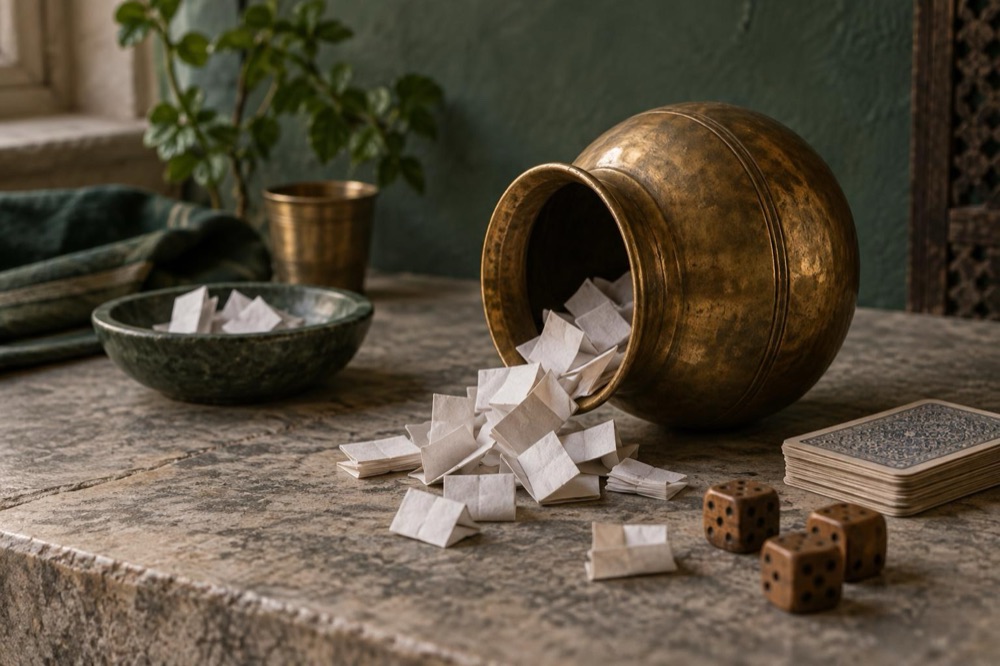
If you count the earlier cotton-price betting, the lineage stretches back further, to the 1950s just after India's Independence7. That version was a different game in practice, but it is the direct ancestor of the pot draw.
The game's peak came in the 1980s and 1990s, when over Rs 500 crore was laid as bet every month6. By then matka had been running for roughly two to three decades and had a nationwide network behind it2.
So the honest answer to "how old is matka" depends on where you draw the line. The pot-draw game: 1962. The betting tradition it grew out of: the 1950s. Either way, it is old enough to have shaped Mumbai's slang, its mill districts and a generation of players3.
Matka and the wider gambling map
Matka sits in a long line of Asian gambling traditions that grew out of trade, chance and everyday life rather than official sanction. If you want the broader picture, the gambling culture and history in Asia hub collects the traditions, superstitions and famous venues across the region.
The numbers side of matka connects to a wider set of beliefs about which digits bring luck. Lucky and unlucky numbers in Asian gambling covers the meanings attached to 4, 8, 9 and others, while dream numbers explains how dreams are turned into lottery picks across Asia.
For the man himself, Ratan Khatri, the Matka King of Bombay goes deeper into his life and the network he built. And if you want to see how matka has been portrayed on screen, gambling in Asian films and TV covers Matka King alongside Tazza and God of Gamblers.
Common Questions
What year did matka gambling start?
Matka as it is played today began in Mumbai in 1962, when Ratan Khatri started drawing numbered chits from an earthen pot. Its earlier form, betting on New York cotton prices, dates to the 1950s.
Where did matka gambling come from?
It came from Mumbai, India. The betting began around the cotton trade and the Bombay Cotton Exchange, and the pot draw that gave the game its name was introduced in the city in 1962.
Is matka an Indian game?
Yes. Matka is an Indian numbers game, created in Mumbai and played across India for decades. It is illegal in India under the Public Gambling Act 1867, though it still has players.
What does the word matka mean?
Matka means an earthen pot in Hindi and several other Indian languages. The name comes from the pot that numbered chits were drawn from to produce the winning numbers.
Who invented matka gambling?
Ratan Khatri, a Sindhi cotton trader who moved to Mumbai from Karachi after Partition, is credited with creating the modern game. He was known as the Matka King.
How old is matka gambling?
The modern pot-draw game dates to 1962, making it more than sixty years old. The earlier cotton-price betting that preceded it began in the 1950s.
Sources12 sources
- Matka is a biopic on Ratan Khetri, Deccan Chronicle, March 2024
- Matka is a biopic on Ratan Khetri, Deccan Chronicle, March 2024
- Matka King series review: a gambling drama that takes no risks, The Hollywood Reporter India, April 2026
- How a Matka King was born: Vijay Varma, Nagraj Manjule on their gambling series, The Hollywood Reporter India, April 2026
- Gambling in India, University of Bath research paper, 2017
- How matka business started, DNA India, November 2013
- What is Satta Matka, how it is played, India Today, September 2018
- What is Satta Matka, origin of Matka gambling or Satta, India Today, October 2023
- Goa BJP MLA wants Matka gambling legalized, The New Indian Express, August 2015
- Ratan Khatri, Mumbai's Matka King of 60s-90s, dead at 88, Zee News, May 2020
- Who is Ratan Khatri? All about the legendary Matka King, The Statesman, June 2024
- Matka King Ratan Khatri passes away in Mumbai, The Indian Express, May 2020















