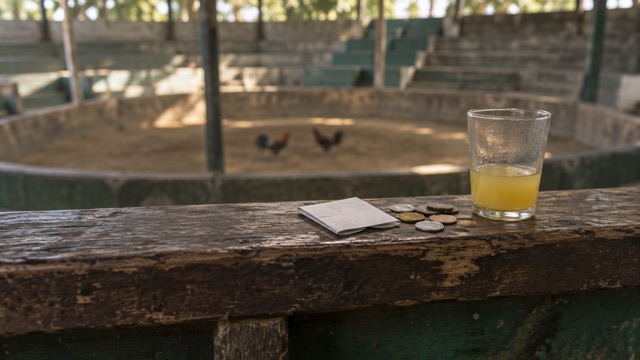
The Philippine Amusement and Gaming Corporation (PAGCOR) has not suspended e-sabong operations, its chair Andrea Domingo said at a Senate hearing on Friday, March 4, 2022, saying the agency had no clear and legal basis to act despite a Senate resolution from 24 senators calling for an immediate suspension1.
Domingo told the Senate committee on public order and dangerous drugs that she had written to Executive Secretary Salvador Medialdea asking whether President Rodrigo Duterte had in fact approved a suspension. She said Medialdea replied that he had asked the President, who said he had not said anything of the sort1. Senate committee chair Ronald dela Rosa, an ally of Duterte, said he had personally spoken to the President, who agreed to the suspension, and the two argued over who was misrepresenting the exchange1.
Domingo said halting operations carried financial risk:
"Although we do respect the resolution from 24 senators for us to immediately suspend e-sabong operations, we stand at the peril of having to pay P640 million while we suspend [the operations] without clear and legal basis."
PAGCOR data showed the industry had been earning at least P640 million ($12,378,847.12) from the operations since January1. Domingo said PAGCOR would have to talk to e-sabong operators before deciding1.
Senators disputed that PAGCOR needed presidential clearance. Senator Grace Poe said nothing in PAGCOR's charter requires it to seek authorization from the President, and Senate Minority Leader Franklin Drilon said the power to grant a license is the power to suspend without clearance from Malacañang1. Under its charter, PAGCOR has the power to "regulate, operate, authorize, and license games of chance, games of cards, and games of numbers, particularly casino gaming in the Philippines"1.
The hearing followed reports of missing people tied to the industry. Senate data put the number of persons involved in the electronic gambling operation reported missing at 341. The Philippine National Police launched a probe into its own personnel who took part in the online gambling activity, and PNP Directorate for Investigation and Detective Management data showed at least seven complaints against e-sabong involving police personnel between January 1 and February 211.
The timeline around the suspension has been contradictory. On Monday, February 28, Senate President Vicente Sotto III said Duterte had agreed to suspend e-sabong operations; a day later, acting presidential spokesperson Secretary Karlo Nograles said the palace did "not have any word yet on that"1. The government has yet to decide whether to suspend e-sabong permits1.
What it means for players
E-sabong, the online version of sabong cockfight betting, remained licensed and operating in the Philippines as of March 4, 2022, so bets placed through licensed operators were still being accepted1. The dispute was over whether the regulator would stop those operations, not over whether existing licenses were valid. PAGCOR's position was that it could not suspend without a legal basis and without consulting operators, while senators argued it already held that power1. For anyone betting on e-sabong in the Philippines, the practical situation was uncertainty: no suspension order had taken effect, and no date for one had been set1. The wider Philippines gambling market, including casino gaming, was not the subject of the resolution, which concerned e-sabong operations specifically1.
What happens next
PAGCOR said it would consult e-sabong operators before making a decision1. No date was given for that decision, and no suspension order had been issued1. The Senate probe into the missing persons continued, alongside the PNP's internal investigation into personnel who participated in e-sabong1.