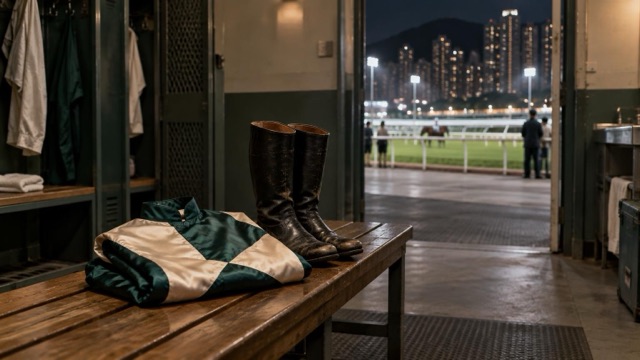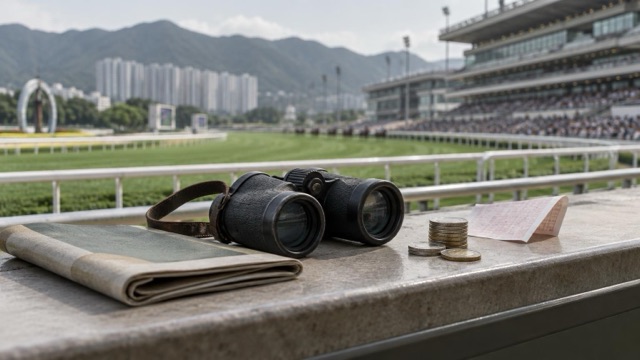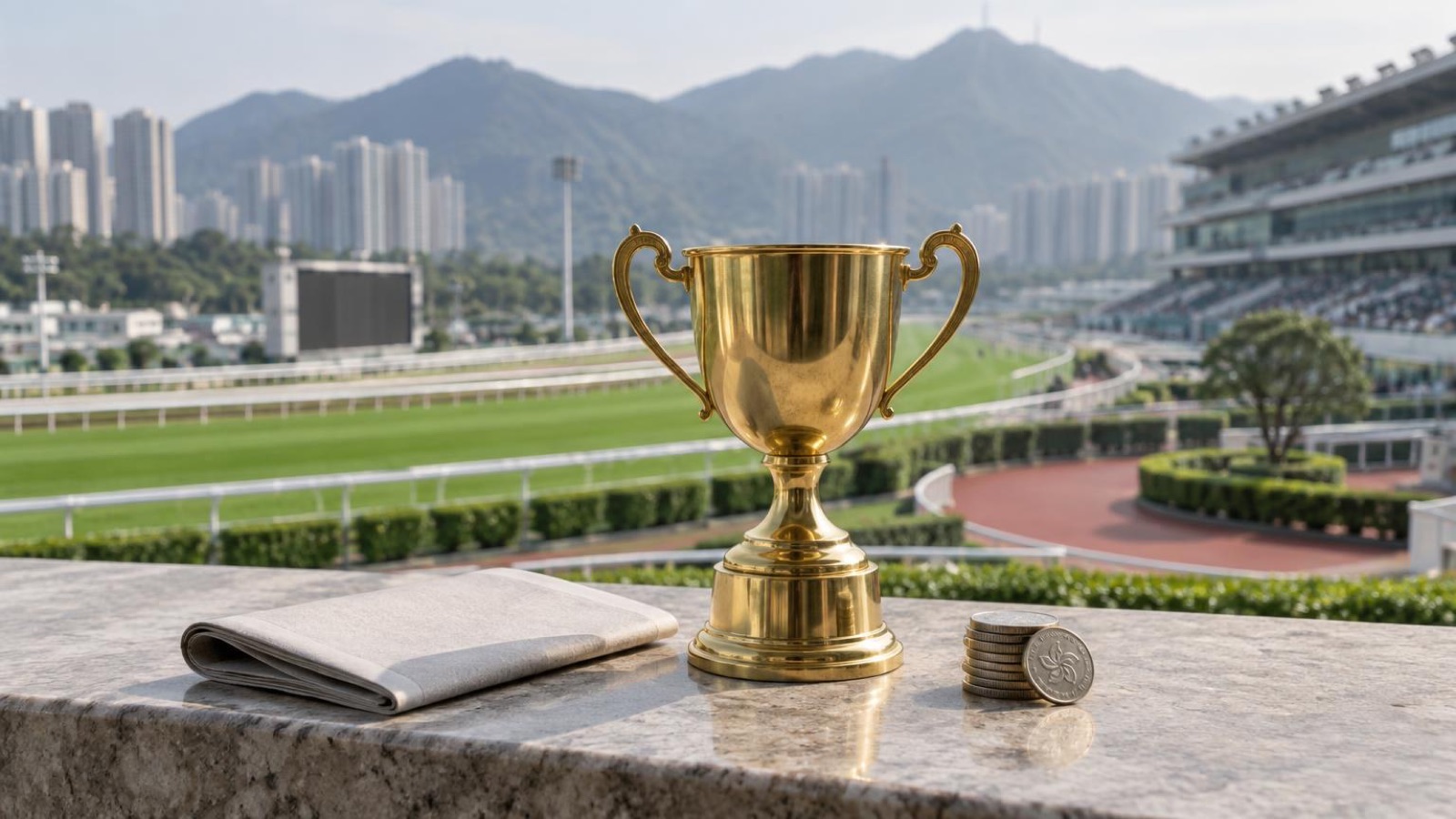
The three races at a glance
Every racing jurisdiction with a serious racing industry has a Derby, and Hong Kong's version comes with its own warm-up act. Instead of a single race, the Hong Kong Jockey Club runs a three-race series restricted to four-year-olds: the Hong Kong Classic Mile over 1,600 meters, the Hong Kong Classic Cup over 1,800 meters, and the Hong Kong Derby over 2,000 meters1.
The distances step up deliberately. A horse wins the first leg at a mile, then has to prove it can stay 1,800 meters, then 2,000 meters in the Derby itself. That progression is the whole point of the series: it finds out which four-year-old can do everything, and the Derby each March at Sha Tin is the race every owner in Hong Kong wants to win1.
All three races are run on the turf at Sha Tin Racecourse in the New Territories2. The series sits in the first half of the calendar year, with the Mile in January, the Cup in February and the Derby in March, so the whole story of a four-year-old crop plays out over about eight weeks2.
If you are new to Hong Kong racing generally, start with our guide to horse racing in Hong Kong; the classics are the highlight of that calendar.
Hong Kong Classic Mile: the first leg (1600m)
The Hong Kong Classic Mile is the opening leg, run over 1,600 meters on the Sha Tin turf, and it is open only to four-year-old horses2. That age restriction is the defining feature of the whole series: a horse gets exactly one season to run in it, and then never again.
The series is built around that four-year-old restriction, and the same condition applies across all three legs2. In practice this means the Mile is the first time a crop of young horses meets the best of its own generation, with no older, seasoned campaigners to dodge.
The prize money tells you how seriously Hong Kong takes it. In the 2014 season the Classic Mile's purse was raised by HKD 2,000,000 to HKD 8,000,0006, and by 2016 it carried HKD 10,000,0005. Today each leg of the series is worth HKD 13,000,0003.
The Mile also works as a preview. Because the same horses can come back for the Cup and the Derby, the result in January shapes the betting and the conversation for the next two months. A horse that wins the Mile has done the hard part at the shortest trip; the question the series then asks is whether it stays further.
Hong Kong Classic Cup: the second leg (1800m)
The Hong Kong Classic Cup is the middle leg, run over 1,800 meters on the Sha Tin turf, again for four-year-olds only2. It sits between the Mile and the Derby in both distance and calendar, and it is the race that settles the staying question.
A look at how one running was organized gives you a feel for the rhythm of the series. The 2012 Classic Cup was held on Sunday, February 19, with entries closing at 10:00 am on the Monday about two weeks before2. That pattern, a Sunday feature race in February with entries a fortnight out, is typical of how the club schedules its pattern races.
The prize money has followed the same upward path as the Mile. In the early 2010s the Cup carried HKD 6,000,000 in total, with the winner taking HKD 3,420,000, third place HKD 690,000 and fourth HKD 360,0002. By 2016 it matched the Mile at HKD 10,000,0005, and the race now carries HKD 13,000,0003.
On a recent race day, the Classic Cup was the late-afternoon feature, going off at 4:45 pm with the first race of the day at Sha Tin starting at 12:30 pm7. If you are going to a Cup day in person, that means a full afternoon of racing before the main event.
The Hong Kong Derby: 2,000 meters each March
The Hong Kong Derby is the race the series has been building toward. It is run over 2,000 meters, each March, at Sha Tin Racecourse1. Where the Mile asks a young horse about speed and the Cup about stamina, the Derby asks for both, and it is the race that decides which four-year-old is remembered.
The 2012 Derby gives a useful snapshot of the race's shape. It was run on Sunday, March 18, at Sha Tin on the turf, with total prize money of HKD 16,000,0004.
| Finishing position | Prize money |
|---|---|
| Winner | HKD 9,280,000 |
| Second | HKD 3,520,000 |
| Third | HKD 1,600,000 |
| Fourth | HKD 752,000 |
| Fifth | HKD 528,000 |
| Sixth | HKD 320,000 |
In other words, more than half the purse goes to the winner, but even sixth place pays more than many races in the region pay for a win.
The purse has kept climbing. In the 2014 season the Derby was increased by HKD 2,000,000 to HKD 18,000,0006, and the 2017 running carried that same HKD 18,000,0005. It stands today as the richest race of the three legs and one of the highlights of the Hong Kong racing year.
Because the Derby is a once-only race for every horse in it, the result carries a finality that few other races have. There is no coming back next year to try again; the winner is the champion of that crop, permanently.
Where and when the races are run: Sha Tin Racecourse
All three legs of the series are run at Sha Tin Racecourse, on the turf track2. Sha Tin is the Hong Kong Jockey Club's main venue, home to most of the territory's biggest race days, and the club's racing results and information pages are all built around its meetings8.
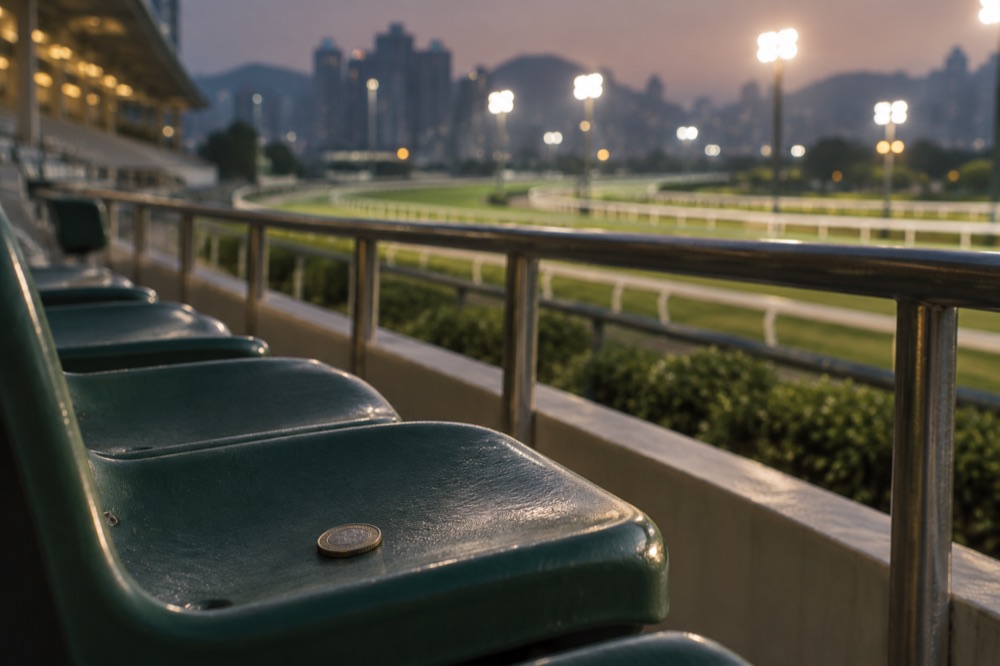
Sha Tin races mostly on Sundays and some Wednesday evenings. A recent notice shows the pattern: after a big Sunday meeting, the next Hong Kong racing was a Wednesday evening card at Sha Tin with eight races on the all-weather track9. The classic series legs, though, are Sunday afternoon features on the turf, with the first race typically at 12:30 pm and the feature race in the late afternoon7.
The Derby in March is one of the biggest Sundays of the Sha Tin year, alongside December's Hong Kong International Races, which are also staged at Sha Tin10. If you want the full picture of the venue, including how to get there and what a race day costs, see our guide to Sha Tin Racecourse.
What the series means for horses and owners
For owners, the series is the centerpiece of a young horse's career. A horse that sweeps all three legs has beaten its entire generation at three different distances inside a single season, which is why the series is followed so closely in Hong Kong racing circles.
The age restriction cuts both ways. It guarantees that the fields are evenly matched on age, but it also means an owner gets one shot. A horse injured at four misses the series forever, and a horse that needs more time to mature may arrive too late. That urgency is part of what makes the Derby market so competitive each year.
The prize structure rewards depth as well as victory. As the 2012 Derby breakdown shows, prize money runs down to sixth place, so even a horse that never wins a leg can pay its way across the series4. With each leg now worth HKD 13,000,000, the series as a whole is one of the richest sequences in the region for young horses3.
For the horses themselves, the series is a stepping stone. Winners and placegetters typically go on to the open Group 1 races against older horses later in the season, and a good Derby performance is often the making of a horse's entire career.
Watching and betting on the classics
The classics are betting races in the fullest sense: the whole Hong Kong wagering population follows them, and the pools are among the biggest of the year. If you are new to how betting works at Hong Kong races, our pages on horse racing bet types in Hong Kong and Hong Kong odds explain the mechanics.
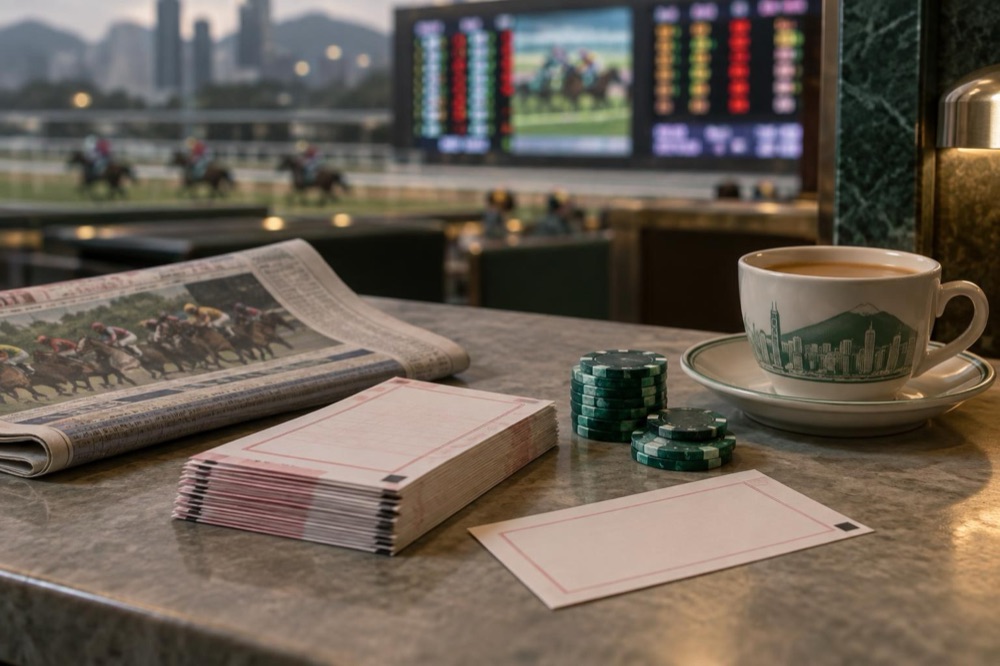
Two rules from the club's horse race betting rulebook are worth knowing on any race day. First, the finishing order declared when the "Weighed in" signal is displayed is final for dividend calculation, so results are not settled until the jockeys have weighed in after the race11. Second, winnings can be paid out by cash, check, cash voucher, or a deposit into the betting account used to place the bet, at the operator's discretion12.
Because the same horses run across the three legs, the classics reward following form. What a horse did in the Mile tells you something about the Cup, and what it did in the Cup tells you something about the Derby, at least as far as the extra distance is concerned. That continuity is what makes the series different from a one-off feature race.
Planning a classic day at Sha Tin
If you want to see a classic in person, the Derby in March is the day to aim for, though the Mile and Cup days are easier tickets and give you the same horses. Race days at Sha Tin are Sunday afternoon events, with the first race around 12:30 pm and the feature race in the late afternoon, around 4:45 pm on a recent Cup day7.
A few practical points for a first visit:
- Arrive early. With eight or more races on the card and the feature last, a classic day is a full afternoon7.
- The feature races are on the turf track; some Wednesday meetings at Sha Tin use the all-weather track instead, so check the card before you go9.
- Results and full racing information for every Sha Tin meeting are published on the club's racing pages, which are the reference for checking times, runners and dividends8.
- Big race days at Sha Tin, like the Derby and the December international meeting, draw the biggest crowds of the year, so expect the venue to be fuller than a normal Sunday13.
Whether you bet or just watch, the series is the best sustained drama on the Hong Kong racing calendar: one generation of horses, three rising distances, and a single afternoon in March that settles it.
Common Questions
When is the Hong Kong Derby run?
The Hong Kong Derby is run each March at Sha Tin Racecourse over 2,000 meters on the turf. A recent running was held on a Sunday in mid-March, and the race is the traditional climax of the four-year-old season.
What is the prize money for the Hong Kong Derby?
The Derby is the richest race of the series. It has been raised several times, from HKD 16,000,000 in the early 2010s to HKD 18,000,000 by 2017, with the winner of one running taking HKD 9,280,000.
What distance is the Hong Kong Classic Cup?
The Hong Kong Classic Cup is run over 1,800 meters on the turf at Sha Tin Racecourse. It is the middle leg of the Four-Year-Old Classic Series, between the Classic Mile and the Derby.
Where is the Hong Kong Classic Mile held?
The Hong Kong Classic Mile is held at Sha Tin Racecourse in the New Territories, run over 1,600 meters on the turf track. It is the first leg of the four-year-old series.
What time does the Hong Kong Classic Cup start?
On a recent race day the Hong Kong Classic Cup went off at 4:45 in the afternoon, with the first race of the day at Sha Tin starting at 12:30 pm. Times shift slightly from meeting to meeting.
Which races make up the Four-Year-Old Classic Series?
Three races: the Hong Kong Classic Mile over 1,600 meters, the Hong Kong Classic Cup over 1,800 meters, and the Hong Kong Derby over 2,000 meters. All are restricted to four-year-old horses.
How much is the total prize money for the Hong Kong Classic Cup?
The Classic Cup currently carries HKD 13,000,000 in total prize money. It has climbed steadily over the years, from HKD 6,000,000 in the early 2010s to HKD 10,000,000 by 2016.
Sources13 sources
- Racing news item, November 2012, The Hong Kong Jockey Club, November 14, 2012
- Mercedes-Benz Hong Kong Classic Cup 2012 race conditions, The Hong Kong Jockey Club, 2011
- Hong Kong Jockey Club events page, The Hong Kong Jockey Club, accessed 2026
- Mercedes-Benz Hong Kong Derby 2012 race conditions, The Hong Kong Jockey Club, 2011
- Racing news item, July 2016, The Hong Kong Jockey Club, July 11, 2016
- Racing news item, July 2014, The Hong Kong Jockey Club, July 2, 2014
- Citi Hong Kong Gold Cup race day information, The Hong Kong Jockey Club, accessed 2026
- Racing results and information, The Hong Kong Jockey Club, accessed 2026
- Racing news item, May 2017, The Hong Kong Jockey Club, May 28, 2017
- Racing news item, June 2012, The Hong Kong Jockey Club, June 27, 2012
- Horse Race Betting Rules, Rule 2, The Hong Kong Jockey Club, January 2023
- Horse Race Betting Rules, Rule 2 (Chinese), The Hong Kong Jockey Club, January 2023
- Racing news item, December 2016, The Hong Kong Jockey Club, December 9, 2016