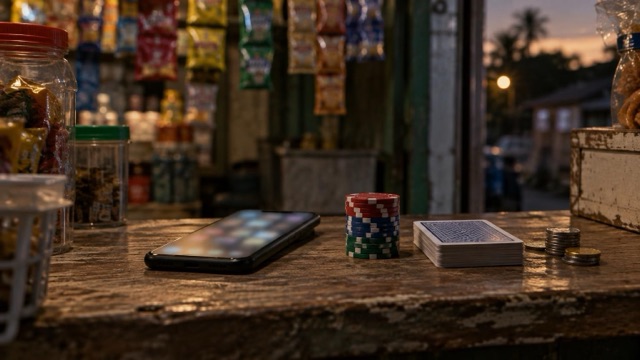
The Senate of the Philippines has begun an investigation into online gambling that many Filipinos have been said to be addicted to, according to an account of the hearings published by The Freeman1. The hearings have cited reports of deaths and violence linked to gambling, including cases involving e-sabong, the online cockfighting product1.
"Recently, the Senate has begun its investigation into online gambling that many Filipinos have been said to be addicted to."
Among the cases cited in the hearings, a Pampanga father was said to have accrued around PHP 600,000 in e-sabong debts and committed suicide, per then-Sen. Panfilo Lacson's account in The Philippine STAR; another person from Pampanga was reported in an Inquirer newspaper column as having committed suicide after heavy e-sabong indebtedness1. The hearings also covered the 34 missing sabungeros allegedly abducted between April 2021 and January 2022, and further suicides of bettors over e-sabong losses1.
The account places the hearings in a longer history of state involvement in gambling. A national lottery was established by royal decree by the middle of the 19th century, and Jose Rizal won a prize of PHP 6,200 in 1892 while in exile in Dapitan1. The Philippine Charity Sweepstakes Office (PCSO) was created in 1934 and held its first draw the following year to fund hospitals and education, while the martial law years of the 1970s saw the creation of the Philippine Amusement and Gaming Corp. (PAGCOR), tasked with running casinos and regulating games of chance1. In 1990, then-NBI director Alfredo Lim won a $200,000 jackpot while investigating lottery fraud1.
Concerns about harm were raised by a 2025 study of Filipino internet gamblers that discovered a strong correlation between gambling and anxiety, and social activists and church leaders have referred to gambling addiction as a "public health crisis" that is ruining families1. The account also notes that offshore POGOs, once seen as revenue sources, have been linked to kidnappings, trafficking and other crimes, prompting government crackdowns and even a ban1. In 2017, indebted gambler Jessie Javier Carlos attacked Resorts World Manila, setting fires that killed 38 people and injured 70 before taking his own life1.
| Cited in the hearings | Detail |
|---|---|
| Pampanga father, e-sabong debts | Around PHP 600,000 accrued, suicide1 |
| Second Pampanga case | Suicide after heavy e-sabong indebtedness1 |
| Missing sabungeros | 34 allegedly abducted, April 2021 to January 20221 |
| 2025 study of Filipino internet gamblers | Strong correlation between gambling and anxiety1 |
| Resorts World Manila attack, 2017 | 38 killed, 70 injured1 |
What it means for players
The hearings concern online gambling in the Philippines, including e-sabong, and the harms reported to senators. For people who gamble in the country, the practical effect so far is scrutiny of the sector rather than a change in the rules: no new licensing condition, ban or player-facing measure has been reported from the hearings. The account describes a market that includes PAGCOR-run "Casino Filipino" locations, Manila's Entertainment City resorts, PCSO sweepstakes and digital lotto platforms, alongside illegal operations such as jueteng and offshore POGOs1. Players in the Philippines can read our guide to gambling in the Philippines and to online casinos in the Philippines. For help and exclusion options, see gambling help and self-exclusion in the Philippines. The wider legal position across the region is set out in online gambling in Asia.
What happens next
No further hearing dates, findings or proposed legislation have been reported1.