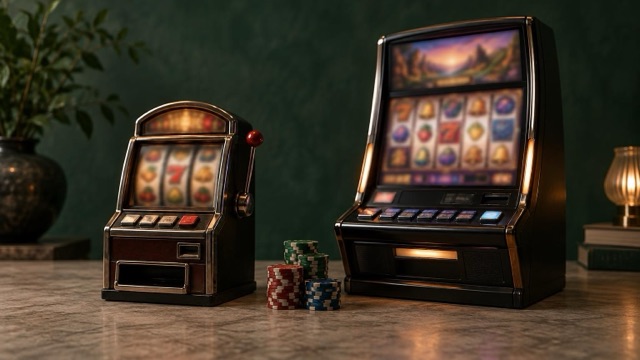
Japan's pachinko halls began installing smaslo, a next-generation slot machine that replaces physical medals with electronic ones, in November 2022, according to Tokyo Shoko Research (TSR)1. The machines were followed in April 2023 by smart pachinko, or sumapachi1.
The shift came as the number of pachinko parlors fell. According to the National Police Agency, Japan had 8,458 parlor locations in 2021 and 7,665 in 2022, a drop of 9.3 percent in one year, the largest decline since 20011. TSR reported 39 pachinko hall bankruptcies in 2022, the most in a decade, and 25 more in the first nine months of 2023, already above the 22 recorded in all of 2019 before the pandemic1.
TSR attributed the closures to several pressures: the cost of removing all "5-gouki" machines and introducing "6-gouki" machines in early 2022, a resulting fall in the machines' gambling appeal that hurt customer numbers, weaker business conditions during the pandemic, and the investment needed for smaslo and sumapachi systems and cabinets1.
The cost of a smaslo cabinet is central to the story. Including installation work, a single machine can exceed 1 million yen, meaning a straightforward swap of 10 machines requires 10 million yen1. TSR also said some operators cannot buy machines without a purchase history and existing facilities, and that a semiconductor shortage during the pandemic let larger chains secure machines first1.
The popularity of one title illustrates the split. A manager at a major Tokyo-area pachinko hall told TSR that slot customer numbers rose sharply and that "we can say pachislot has made a V-shaped recovery," while adding that pachinko has not yet seen the same shift to sumapachi1.
"パチスロの客数が大幅に増え、稼働も売上も利益も改善した。パチスロはV字回復したと言っていい"
Of the 25 pachinko hall bankruptcies in January to September 2023, 23, or 92.0 percent, were caused by poor sales, and 14, or 56.0 percent, were pandemic-related1. Twenty, or 80.0 percent, were bankruptcies, with no civil rehabilitation or corporate reorganization filings; the remaining five were bank transaction suspensions1. By region, Kanto had the most with seven, followed by Kinki with five, Kyushu with four, Hokkaido with three, and Tohoku and Chubu with two each1.
| Measure | Figure | Period |
|---|---|---|
| Parlor locations | 8,458 to 7,665 | 2021 to 2022 |
| Year-on-year decline | 9.3 percent | 2022 |
| Hall bankruptcies | 39 | 2022 |
| Hall bankruptcies | 25 | Jan-Sep 2023 |
| Bankruptcies from poor sales | 23 of 25 (92.0 percent) | Jan-Sep 2023 |
What it means for players
Smaslo machines are a different product from the pachislot machines that came before them: medals are held electronically rather than physically, which changes how a session is played and recorded. Halls with less capital have fewer smaslo cabinets, and TSR said some players have moved from pachinko to smaslo in halls that have them1.
The wider effect is on where machines are available at all. Japan lost 793 parlor locations in a single year to 2022, a 9.3 percent fall, and bankruptcies in 2023 were running ahead of the pre-pandemic pace1. For anyone visiting Japan and looking for pachinko or pachislot, the practical picture is a shrinking number of halls, with the newest slot machines concentrated in better-funded ones. Rules on how pachinko and pachislot winnings are handled, and where gambling is legal in Japan, are separate from the machine technology and are not addressed in the TSR report1.
What happens next
TSR said the shakeout among pachinko halls "has only just begun," and that if popular sumapachi titles arrive, the split between well-funded and weaker halls could widen further1. It also noted coming cost pressures including higher electricity and labor costs, smart-related construction work, and the cost of adapting to new banknote designs1. A major machine manufacturer told TSR it is scrutinizing whether to keep dealing with halls that have fallen behind on payments1.
Sources1 sources
- 大人気スマスロが引き金、パチンコホール大淘汰の幕開け | TSRデータインサイト | 東京商工リサーチ, tsr-net.co.jp