

Every casino player has experienced a session that seemed to spiral out of control. A few unlucky hands turn into a series of larger bets. A missed opportunity leads to frustration. Before long, decisions are driven by emotion instead of logic. This mental state is known as “tilt,” and it’s one of the biggest reasons players stray from their original strategy.
Although the term originated in poker, tilt can affect anyone playing blackjack, roulette, baccarat, slot machines, or other casino games. It doesn’t only happen after losing. Some players tilt after a big win, becoming overconfident and taking risks they normally wouldn’t.
Understanding why tilt happens can help you recognize it before it affects your bankroll. More importantly, it can help you enjoy casino gaming as entertainment rather than letting emotions dictate your decisions.
Check out the best bonus deals before Midnight tonight!


What Is Tilt in Casino Gaming?
Tilt is a psychological state where emotions begin to influence your decisions more than rational thinking. Instead of following a betting strategy or sticking to your budget, you react impulsively to recent outcomes.
Many players associate tilt with anger after a losing streak, but it can take several forms.
A player might begin increasing bet sizes because they feel “due” for a win. Another may continue gambling long after planning to stop because they’re determined to recover losses. Some become impatient, playing faster and paying less attention to the game.
These behaviors share one common trait. The player’s choices are no longer based on probability, bankroll management, or entertainment value. They’re driven by emotion. Recognizing this shift is often the first step toward preventing costly mistakes.
Why the Brain Falls Into Tilt
Tilt isn’t simply a lack of discipline. It has roots in the way the brain processes rewards, losses, and uncertainty.
Casino games create a cycle of anticipation and feedback. Every spin, hand, or roll produces an outcome that the brain immediately evaluates. Wins trigger dopamine, a neurotransmitter associated with pleasure and motivation. Even near misses can activate similar reward pathways, encouraging players to keep going.
Losses create a different response.
Psychological research has consistently shown that people tend to experience losses more intensely than equivalent gains. Losing $100 often feels more painful than winning $100 feels rewarding. This tendency, known as loss aversion, can make players chase losses in an attempt to relieve that discomfort.
Stress also affects decision-making. When emotions become heightened, the brain relies more heavily on instinctive reactions while the areas responsible for planning and self-control become less influential. That makes it harder to evaluate odds objectively or stick to predetermined limits.
The result is a cycle where emotional decisions often lead to additional losses, creating even stronger emotional reactions.
Common Triggers That Lead to Tilt
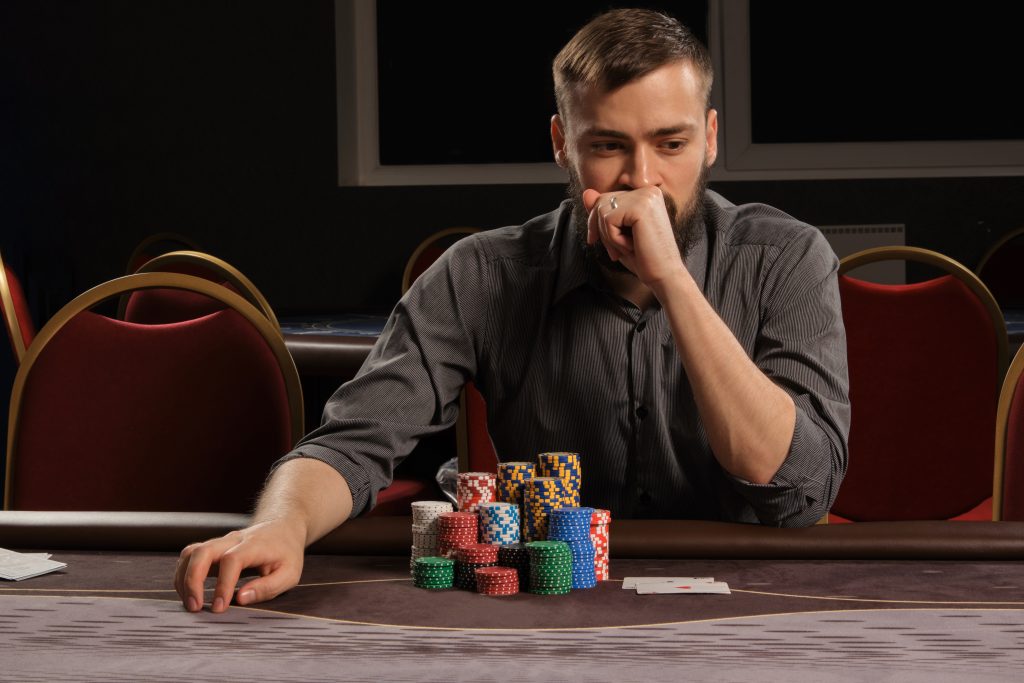
Tilt rarely appears without warning. It usually develops after one or more emotional triggers that gradually affect judgment.
Long Losing Streak
Consecutive losses can create frustration and convince players that changing their betting pattern will somehow reverse their luck. In games of chance, though, previous outcomes don’t influence future ones.
Unexpected Wins
Winning several rounds early in a session sometimes leads players to believe they’re “playing well” even in games where skill has little influence over short-term results. Confidence grows, bets increase, and risk tolerance changes without much thought.
Fatigue
Long gambling sessions reduce concentration and increase impulsive behavior. After several hours, many players stop evaluating decisions carefully and begin relying on instinct or emotion.
External Stress
Someone who arrives already frustrated from work or personal responsibilities may find it harder to respond calmly to normal swings in casino games.
Understanding your own triggers makes it easier to recognize when your mindset is beginning to shift.
How Tilt Affects Different Casino Games
Tilt doesn’t look the same across every casino game because each one encourages different types of decisions.
Blackjack
In blackjack, tilt often appears when players abandon basic strategy after a few unlucky hands. They may split or double down in unfavorable situations simply because they’re frustrated or hoping for a quick recovery.
Roulette
Roulette players sometimes begin increasing wagers after consecutive losses, believing a particular color or number is overdue. This is closely related to the gambler’s fallacy, which incorrectly assumes that previous outcomes influence future random events.
Slots
Slot players frequently experience tilt by extending sessions beyond their original budget. Near misses, bonus rounds, and intermittent wins can make it tempting to continue chasing another exciting moment.
Baccarat
In baccarat, emotional betting patterns often replace disciplined bankroll management. Players may suddenly switch between banker and player bets based on recent results rather than accepting that each hand is an independent event.
Even games with a stronger skill component, such as poker, aren’t immune. Emotional decisions often lead players to ignore sound strategy, overvalue weak hands, or become overly aggressive.
Practical Ways to Avoid Tilt

Preventing tilt starts before you place your first bet.
Set a Gambling Budget
Setting a gambling budget creates a financial boundary that shouldn’t change during the session. Decide how much you’re comfortable spending on entertainment, and treat that amount as the cost of the experience rather than money you’re expected to win back.
Set Time Limits
Many players focus only on money while ignoring how long they’ve been playing. Fatigue gradually affects judgment, making emotional decisions more likely. Scheduling regular breaks gives your mind an opportunity to reset before emotions build.
Pay Attention to Your Internal Dialogue
If you notice yourself thinking, “I have to win this back,” or “I’m due for a big hit,” it’s worth pausing. Those thoughts often signal that emotion is replacing logical decision-making.
Learn When to Walk Away
Leaving after reaching your spending limit or planned session length isn’t a sign of failure. It’s evidence that you’re still making decisions intentionally instead of reacting emotionally.
Some players also find it helpful to avoid increasing bet sizes after losses. Keeping wagers consistent removes one of the most common pathways into emotional gambling.
Why Bankroll Management Supports Better Decisions
Bankroll management is often discussed as a financial strategy, but it’s also a psychological one.
When your betting amounts represent only a small portion of your gambling budget, individual losses become easier to accept. The emotional pressure attached to each outcome decreases because no single result significantly changes your overall position.
Large bets create the opposite effect. The more money attached to one decision, the greater the emotional reaction becomes. That heightened emotional state increases the likelihood of chasing losses, abandoning strategy, or making impulsive choices.
Experienced players understand that bankroll management isn’t designed to guarantee profits. Casino games always involve uncertainty. Instead, proper bankroll management creates emotional stability. It helps you remain patient during losing streaks and prevents overconfidence after winning streaks. The goal is consistency rather than excitement.
Knowing When to End a Session
One of the most underrated gambling skills is recognizing when it’s time to stop. Many players decide when to start playing but never decide when to finish. Without an exit plan, sessions naturally continue until emotions or exhaustion begin influencing decisions.
A predetermined stopping point removes that uncertainty. You might choose to end your session after two hours, after reaching your entertainment budget, or after hitting a personal win target. The specific number matters less than deciding before emotions become involved.
Pay attention to how you’re feeling throughout the session. If frustration, impatience, or desperation begins replacing enjoyment, taking a break is often the smartest decision available.
Remember that casinos are designed to encourage longer play through comfortable environments, exciting sounds, and continuous opportunities to keep betting. Recognizing these influences helps you stay focused on your own limits rather than the pace of the casino.
Final Thoughts
Tilt affects beginners and experienced players alike because it’s rooted in normal human psychology rather than gambling experience alone. Understanding how emotions influence decision-making allows you to recognize warning signs before they become expensive habits.
By setting realistic budgets, managing your bankroll carefully, taking regular breaks, and accepting that short-term results are unpredictable, you give yourself a much better chance of making thoughtful decisions throughout every session.
Casino gaming should remain an enjoyable form of entertainment. Keeping emotions under control helps ensure that your choices reflect your goals rather than the highs and lows of the last few hands or spins.
Frequently Asked Questions
Can tilt happen even if I’m winning?
Yes. Winning streaks can create overconfidence, leading players to increase their bets or take risks they normally wouldn’t. This form of tilt is less obvious than frustration after losses but can still result in poor decisions.
Is tilt more common in skill-based casino games?
Tilt is often discussed in poker because players make more strategic decisions, but it can happen in any casino game. Whether you’re playing slots, roulette, blackjack, or baccarat, emotional decision-making can affect how much you bet, how long you play, and whether you stick to your original plan.
How can I tell if I’m starting to tilt?
Common warning signs include chasing losses, increasing bet sizes without a clear reason, feeling angry or impatient, ignoring your planned budget, or believing you’re “due” for a win. Recognizing these thoughts early makes it easier to step away before emotions take control.
Does taking a break actually help?
Yes. Even a short break can reduce emotional intensity and help you evaluate your decisions more objectively. Walking away from the game for a few minutes, getting some fresh air, or simply changing your environment can interrupt the cycle that often leads to tilt.
Can bankroll management prevent tilt completely?
No strategy can eliminate emotions entirely, but good bankroll management reduces their impact. Betting within comfortable limits makes losses easier to accept and helps you avoid making impulsive decisions driven by frustration or overconfidence.