

If you’ve spent any time reading about sports betting strategy, you’ve probably come across the term “Closing Line Value,” often shortened to CLV. Experienced bettors frequently mention it as one of the most important metrics they track, sometimes even more important than their win-loss record.
That might sound strange at first. After all, isn’t winning bets the whole point?
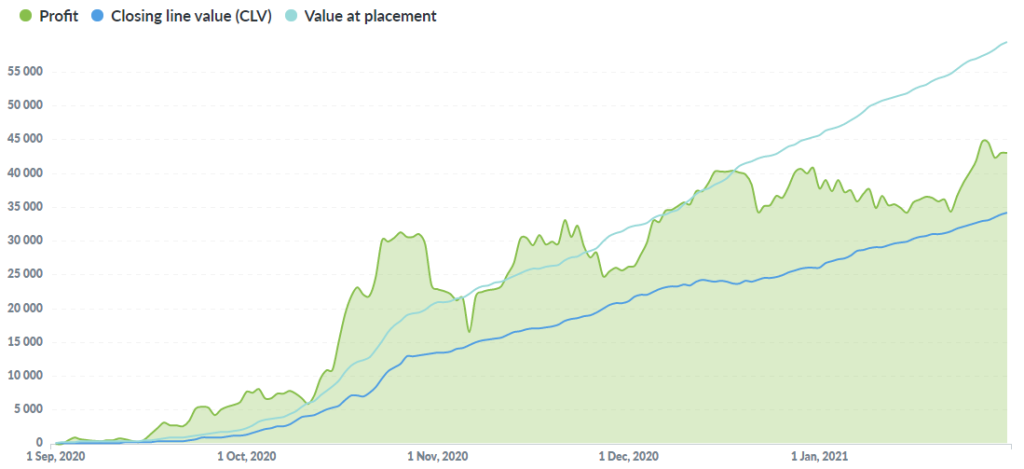
The reality is that individual betting results are heavily influenced by luck. A perfectly researched wager can lose because of an unlucky bounce, while a poorly placed bet might still cash. Over hundreds or thousands of wagers, however, consistently getting better odds than the market’s final price is often a sign that you’re making profitable decisions.
Closing Line Value helps separate the quality of your betting decisions from the randomness of short-term results. For beginners, understanding CLV is one of the biggest steps toward thinking like a long-term bettor instead of simply chasing wins.
Check out the best bonus deals before Midnight tonight!


What Is Closing Line Value?
Closing Line Value measures the difference between the odds you received when placing your bet and the final odds offered by sportsbooks when betting closes.
The “closing line” is simply the last betting line available before the game starts. If you consistently beat that closing number, you’ve achieved positive Closing Line Value.
Here’s a simple example. Suppose you bet on Team A at -110 on Monday. By game time, heavy betting causes the line to move to Team A -135. Because you secured the better price before the market adjusted, you’ve gained positive CLV.
The reverse can also happen. If you bet Team A at -135 but the line closes at -110, you accepted a worse price than what became available later. That’s considered negative CLV.
The game result doesn’t affect whether you achieved positive or negative Closing Line Value. CLV measures the value of the price you obtained, not whether the bet ultimately won.
Why Experienced Bettors Care More About CLV Than Individual Wins
Professional bettors understand that short-term results can be misleading.
Imagine two bettors placing identical wagers over one weekend. The first bettor wins three lucky underdogs despite consistently taking poor prices. The second bettor loses several close games but repeatedly beats the closing line.
Looking only at the weekend’s profit, the first bettor appears more successful. Looking at the quality of the wagers, however, the second bettor is in a much stronger long-term position.
Sports betting outcomes contain a great deal of variance. Referee decisions, injuries, weather, turnovers, and last-second scores can completely change a game’s result.
Odds, on the other hand, reflect market efficiency. Sportsbooks adjust lines continuously based on new information and betting activity. By kickoff, the closing line often represents one of the market’s most accurate estimates of each team’s true probability.
Consistently obtaining better prices than that market estimate suggests you’re identifying value before everyone else. That’s why many professional bettors evaluate their performance using CLV alongside traditional profit and loss statistics.
How Closing Line Value Is Calculated
The basic concept is simple. Compare the odds you received with the final closing odds.
Example Using American Odds
Suppose you place this wager: Dallas Cowboys -3 (-110)
By kickoff, sportsbooks offer: Dallas Cowboys -3 (-125)
Although the point spread stayed the same, the sportsbook increased the price because more bettors backed Dallas. Receiving -110 instead of -125 means you secured a better number.
Now consider another example.
You bet: Los Angeles Lakers +5
Before tipoff, the market moves to: Lakers +3.5
In this case, your ticket contains significantly more value because your team can lose by four or five points while still covering your spread.
This illustrates an important point: CLV isn’t only about odds. It also applies to:
- Point spreads
- Totals
- Run lines
- Puck lines
- Player props
- Futures
- Alternative lines
Any market that moves before the event begins can generate Closing Line Value.
Why Betting Lines Move
Understanding line movement makes CLV much easier to understand. Sportsbooks rarely post a betting line and leave it unchanged. Instead, odds constantly adjust based on new information.
Some of the most common reasons include:
Sharp Money
Professional bettors often wager shortly after sportsbooks release opening lines. Because sportsbooks respect these bettors, their wagers frequently trigger line adjustments. If you consistently place bets before these moves occur, you may capture positive CLV.
Public Betting
Popular teams attract enormous betting volume. When recreational bettors overwhelmingly support one side, sportsbooks may adjust prices to balance risk. Sometimes this creates opportunities before the public pushes a line too far.
Injury News
A star quarterback, starting pitcher, or NBA superstar being ruled out can dramatically change betting markets within minutes. Early bettors who anticipated the news often gain excellent Closing Line Value.
Weather and External Factors
Football totals may drop because of heavy winds. Baseball lines can shift due to pitching changes. Even referee assignments occasionally influence betting markets.
The betting market constantly processes new information, and the closing line reflects everything known before the event begins.
Positive CLV Doesn’t Guarantee Winning Bets
One of the biggest misconceptions among beginners is believing that positive CLV guarantees profits on every wager. It doesn’t.
Imagine betting an NFL favorite at -2.5. The line closes at -4, indicating you captured excellent value. If your team loses outright, your ticket still loses. That doesn’t mean the wager was poor. It simply means variance took over.
Similarly, you might receive terrible Closing Line Value yet still win comfortably because the game happened to unfold in your favor.
Over dozens of bets, these situations can seem random. Over thousands of wagers, however, bettors who consistently beat the closing line generally outperform those who regularly accept worse prices.
This is why CLV should be viewed as a long-term performance indicator rather than a prediction tool.
How Beginners Can Start Tracking CLV

Tracking Closing Line Value doesn’t require specialized software. A simple spreadsheet works perfectly.
For every wager, record:
- Date
- Sport
- Market
- Sportsbook
- Odds placed
- Closing odds
- Bet result
Over time, patterns begin to emerge. You might discover that you’re excellent at finding early NBA lines but consistently lose value in NFL player props. Or perhaps one sportsbook regularly posts slower line movements than competitors. These insights help improve future betting decisions.
Many experienced bettors review CLV every week, even when they don’t review individual game results. This keeps the focus on process rather than short-term outcomes.
If you’re already maintaining a betting log, consider adding a column for Closing Line Value. It becomes much easier to evaluate whether your strategy is improving over time.
When Closing Line Value Can Be Misleading
Although CLV is extremely useful, it isn’t perfect. Certain betting markets naturally produce more volatile closing lines than others.
Player props, niche leagues, lower-division sports, and small-market events often experience larger swings because relatively few wagers can move the market. In contrast, major NFL sides or NBA point spreads usually involve much more efficient pricing.
It’s also important to compare your wager against a reputable closing line. If one sportsbook consistently offers weaker prices than the rest of the market, using only that book’s closing number may give a distorted picture of your actual CLV.
Finally, don’t obsess over tiny differences. A half-cent change in American odds rarely carries the same significance as capturing an extra point on an NFL spread or several cents of movement on a heavily bet moneyline. Context matters.
Common Mistakes Beginners Make When Evaluating CLV
Many new bettors misunderstand how Closing Line Value should be used. While CLV is a valuable long-term performance metric, using it incorrectly can lead to poor betting decisions and unrealistic expectations.
Checking CLV After Every Single Wager
One common mistake is checking CLV after every single wager and assuming each result says something meaningful. Individual bets provide very little information because variance plays such a large role in sports betting. CLV only becomes a reliable indicator after you’ve tracked a substantial sample of wagers over time.
Assuming a Moved Line Means There’s No Value Left
Another mistake is refusing to place a bet simply because the line has already moved. While an earlier price may have offered more value, that doesn’t automatically mean the current number is unbettable. Sometimes the market hasn’t fully adjusted, and there may still be a worthwhile edge despite the movement.
Treating Positive CLV as a Guaranteed Win
Some bettors also confuse positive CLV with guaranteed profitability. Beating the closing line is generally a positive sign that you secured a favorable price, but it doesn’t guarantee that an individual wager will win.
Long-term success still depends on sound bankroll management, disciplined staking, and consistently identifying value across many bets.
Ignoring the Importance of Line Shopping
Finally, beginners sometimes overlook line shopping. Comparing prices across multiple sportsbooks significantly improves your chances of securing better odds before the market moves.
Even a small improvement in price on every wager can have a meaningful impact on your long-term profitability over hundreds or thousands of bets.
Why Closing Line Value Should Become Part of Your Betting Routine
Closing Line Value explained for beginners ultimately comes down to one simple idea: evaluate the quality of your decisions instead of judging yourself solely by today’s results.
Winning and losing streaks come and go. Variance can make even excellent bettors look average over short periods, while poor betting habits may appear successful for a while through good fortune alone.
CLV provides a more objective way to measure whether you’re consistently finding value before the market fully adjusts. By tracking your betting prices, comparing them to the closing line, and reviewing your results over a large sample of wagers, you’ll develop a clearer understanding of how well your strategy is performing.
For anyone serious about improving as a sports bettor, Closing Line Value isn’t just another statistic. It’s one of the clearest indicators that you’re making smarter decisions, regardless of what happens after the opening whistle.