Quick Facts
- Official Name: Kingdom of Thailand
- Capital: Bangkok (Krung Thep Maha Nakhon)
- Land Area: Approximately 513,120 km²
- Population: Around 70 million people
- Currency: Thai baht (THB), including coins and Thai bank notes in multiple denominations
- Principal Language: Thai (official language)
- Head of State: King of Thailand (Royal Family)
- Head of Government: Prime Minister of Thailand
- Political System: Parliamentary system under the Thai government
- Geographic Region: Southeast Asia
- Borders: Myanmar, Laos, Cambodia, Malaysia; maritime borders along the Andaman Sea and Gulf of Thailand
- Major Rivers: Chao Phraya River, Mekong River (border regions)
- Major Cities: Bangkok (capital city), Chiang Mai, Nakhon Ratchasima, Khon Kaen, Hat Yai, Songkhla
- Religion: Predominantly Theravada Buddhism
- Climate: Tropical monsoon climate with rainy, cool, and hot seasons
- Time Zone: Indochina Time (ICT), UTC +7
Overview of the Kingdom of Thailand
Located in Southeast Asia, Thailand sits at the geographic and cultural crossroads of South East Asia, bordering Myanmar, Laos, Cambodia, and Malaysia. It is the only country in the region never to have been formally colonized by a foreign country, shaping a strong national identity that continues into present day Thailand.
The country covers a diverse Thai territory of mountains, fertile river plains, tropical coastlines, and islands along the Andaman Sea. From northern Thailand and north central Thailand to northeast Thailand and southern Thailand, regional identities remain an important part of Thai society.
Thailand Geography in Southeast Asia

Thailand is divided into six distinct regions and 76 provinces. Northern Thailand is mountainous and culturally rich, with Chiang Mai serving as a historical and economic hub. North central Thailand includes fertile plains that support agriculture and major transport routes. Northeast Thailand borders Laos and Cambodia and shares cultural roots with ancient civilizations such as the Khmer Empire.
South Thailand stretches down the Malay Peninsula, bordered by the Andaman Sea on one side and the Gulf of Thailand on the other. This region plays a central role in the tourism sector but has also experienced periods of unrest. Thailand’s border areas, including the Thai-Cambodian border and other parts of the Thai border, have historically seen tension, including clashes involving Cambodian military forces.
Major cities beyond the capital city include Chiang Mai, Hat Yai, Nakhon Ratchasima, Khon Kaen, Songkhla, and other major cities that anchor the country’s urban areas.
History and Historical Kingdoms of Thailand
Thailand’s history spans more than seven centuries and reflects a continuous evolution of political authority, cultural identity, and regional influence. From early local Tai ruler systems and powerful Buddhist kingdoms to periods of absolute monarchy and modern constitutional governance, the Thai nation has been shaped by both internal reform and external pressures.
Unlike many of its neighbors, Thailand maintained sovereignty throughout colonial expansion, allowing its historical kingdoms to influence modern Thailand’s institutions, social values, and national identity.
Sukhothai Kingdom
The Sukhothai Kingdom is widely regarded as the foundation of the Thai nation. Emerging in the 13th century, it marked the transition from local Tai ruler systems into a more centralized state. This era established early concepts of governance, religion, and culture that still influence Thai society today.
Ayutthaya Kingdom
The Ayutthaya Kingdom followed Sukhothai and grew into a powerful regional empire. Ayutthaya controlled trade routes and interacted with China, India, and European powers. Its fall marked a turning point, eventually leading to the consolidation of power under Bangkok as the capital city.
Absolute Monarchy to Modern Thailand
Thailand transitioned from an absolute monarchy to a constitutional monarchy in the 20th century. The shift did not eliminate political instability, however. Periods of military rule, communist insurgency during the Cold War era, and involvement in regional conflicts linked to South Vietnam all influenced Thailand’s political development and personal security policies.
Present-day Thailand reflects a blend of tradition and reform, where modern Thailand continues to evolve amid social change, economic growth, and political debate.
Society, Language, and Thai Citizens

Thai society is deeply shaped by Buddhism, the monarchy, and respect for hierarchy. Citizens typically identify strongly with regional and national traditions. The official language is Thai, a tonal language influenced by Sanskrit, Pali, and Khmer. English is widely spoken in tourism and business environments, especially in Thailand’s urban areas.
While ethnic diversity exists, shared customs help unify the population. Authorities place importance on social order, and interactions with government officials or local police are expected to follow formal norms.
Government and Politics
Thailand operates under a constitutional monarchy, a system that balances elected institutions with the symbolic authority of the royal family. The King serves as head of state, supported by the Privy Council, while executive power rests with the prime minister and the Thai government.
Thai politics has been shaped by frequent changes in leadership, military rule, and several military coup events. At various times, a military junta-led government has exercised power with little or no regard for democratic norms. Some political figures have gone into self-imposed exile, while opposition house members have faced legal and political pressure.
The prime minister is selected through parliamentary processes and may be challenged or approved by institutions such as the Constitutional Court, particularly in cases where a prime minister candidate approved ruling is required to confirm eligibility under the law.
In recent years, Thai politics has seen debates over each candidate for prime minister and whether a candidate reflects the public will. Parties such as the Pheu Thai Party have played major roles in shaping future governments.
Government authority is enforced through institutions, including the Royal Thai Armed Forces, Royal Thai Police, and Royal Thai Government agencies. Government buildings across Bangkok and other cities symbolize the centralized nature of power, while Thai law governs everything from political conduct to speech, and in certain cases—particularly those involving national security, political dissent, or royal institutions—offenders can expect long jail sentences under strict legal enforcement.
Thailand’s Economy
The economy of Thailand is one of the most diversified in Southeast Asia. Manufacturing, agriculture, exports, and services all contribute to national income. The tourism industry and tourism sector play a particularly important role, generating employment and foreign revenue.
Environmental challenges such as organic and factory wastes have increased alongside industrial growth, prompting new regulations and sustainability efforts. The country’s financial system uses the Thai baht, with Thai banknotes issued in multiple denominations and distinct sizes.
Foreign Trade and International Relations
Foreign trade plays a central role in the country’s economy and its position within Southeast Asia. Thanks to its strategic location, well-developed ports, and regional trade agreements, Thailand has long functioned as a commercial gateway between South East Asia and global markets.
The country’s export-driven model supports manufacturing, agriculture, and services, making foreign trade a key pillar of national growth. Thailand’s major exports include automobiles and automotive parts, electronics, machinery, agricultural products such as rice and rubber, processed foods, and petrochemicals.
Imports consist largely of crude oil, industrial machinery, electronic components, chemicals, and raw materials used in domestic production. Trade activity is overseen by government agencies and supported by infrastructure in Bangkok and other main cities.
Thailand maintains strong trade relationships with China, Japan, the United States, the European Union, and fellow ASEAN member states. As part of regional economic frameworks, Thailand benefits from reduced tariffs and improved market access, helping strengthen Thailand’s economy and competitiveness.
While global market shifts and political changes influence trade policy, foreign trade remains essential to Thailand’s long-term economic stability and integration into international markets.
Tourism, Foreign Visitors, and Safety

Foreign visitors are drawn by Thailand’s beaches, temples, cuisine, and nightlife. Popular destinations range from Chiang Mai in the north to island resorts.
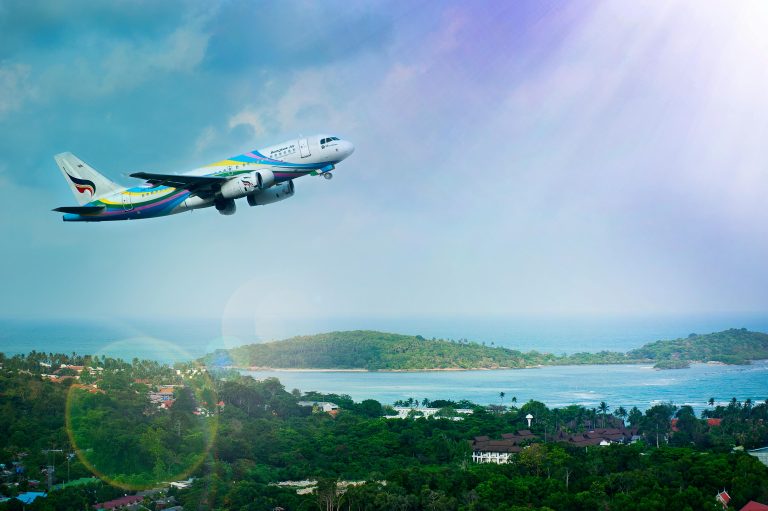
Thailand has a wide transportation network, though conditions vary by region. Bangkok traffic is famously congested, but mass transit options continue to expand. The Airport Rail Link connects major terminals to the city center, while an extensive bus system operates nationwide.
In rural areas, travelers may encounter only public transportation or only rudimentary public transportation options. In contrast, cities benefit from railways, highways, and air connections. The country’s railway network links Bangkok with northern Thailand, the northeast region, and southern Thailand.
Tourism brings challenges, including scams involving gems, counterfeit and pirated goods, and illegal drugs. Thai authorities maintain tourist police units to assist travelers, while Thai immigration officials regulate entry and visa conditions.
Basic medical care is widely available, and emergency health care facilities are concentrated in major cities. Travelers are encouraged to remain aware of security issues and respect local laws. Marine life conservation efforts have increased due to the environmental impact of tourism on coral reefs and coastal ecosystems.
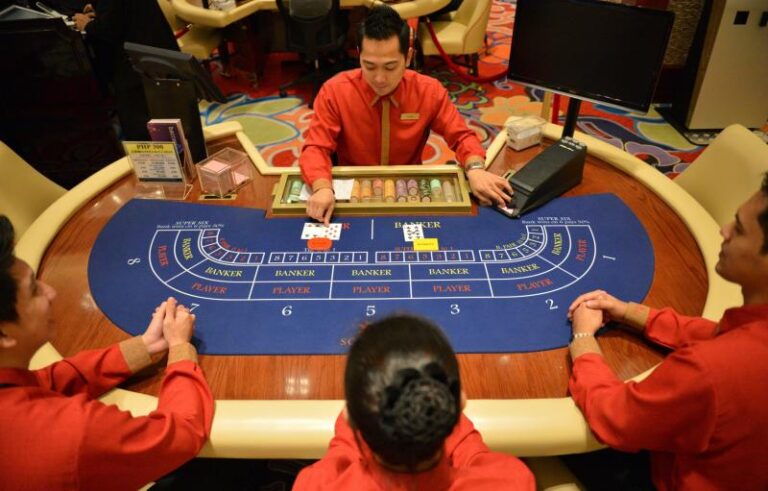
Gambling in Thailand is heavily restricted under Thai law. Most forms of casinos and betting are illegal, with strict penalties enforced by Thai authorities. The government permits limited state-controlled activities such as lotteries and horse racing, but casino-style gambling remains prohibited.
Country Profile Summary
Thailand is a nation shaped by ancient kingdoms, political transformation, and regional influence. From the legacy of the historical kingdoms to the realities of modern governance, Thailand remains a unique case in Southeast Asia.
Its ability to preserve sovereignty, adapt economically, and balance tradition with change continues to define Thailand’s role in the region and the wider world.