
Check out the best bonus deals before Midnight tonight!

Gambling isn’t just about luck or probability. Behind every bet, spin, or wager is a complex psychological process that influences how people evaluate risk, interpret rewards, and make decisions under uncertainty.
Whether someone is playing poker, placing sports bets, or spinning a slot machine, the brain is constantly processing information about potential outcomes. These mental processes are shaped by cognitive biases, emotional responses, reward systems, and behavioral patterns.
Understanding the psychology behind gambling and decision-making helps explain why gambling can feel exciting, why people sometimes make irrational choices, and how players can approach gambling more responsibly.
Why Gambling Feels So Exciting
One of the main psychological drivers behind gambling is anticipation. The human brain releases dopamine, a neurotransmitter associated with pleasure and reward, when people expect a positive outcome.
Interestingly, research shows that dopamine spikes not only when people win, but also when they anticipate the possibility of winning. This means the excitement often happens before the outcome is even revealed.
Common triggers that amplify gambling excitement include:
- Near misses (almost winning outcomes)
- Uncertain rewards
- Fast-paced gameplay
- Visual and sound effects in casino games
These elements are intentionally designed to stimulate engagement and keep players emotionally invested in the experience.
The Role of Risk and Reward
Gambling decisions revolve around evaluating risk versus potential reward. However, people rarely calculate these risks perfectly. Instead of relying purely on mathematical probability, players often rely on intuition or emotional responses. This is why someone might continue betting after a losing streak or increase their wager after a big win.
Psychologists call this risk-reward processing, where the brain weighs potential gains against possible losses. Several factors influence how people assess risk while gambling:
- Personal tolerance for risk
- Previous gambling experiences
- Emotional state during play
- Perceived skill in the game
For example, skill-based games like poker may give players a stronger sense of control compared to games of pure chance.
Cognitive Biases That Influence Gambling Decisions
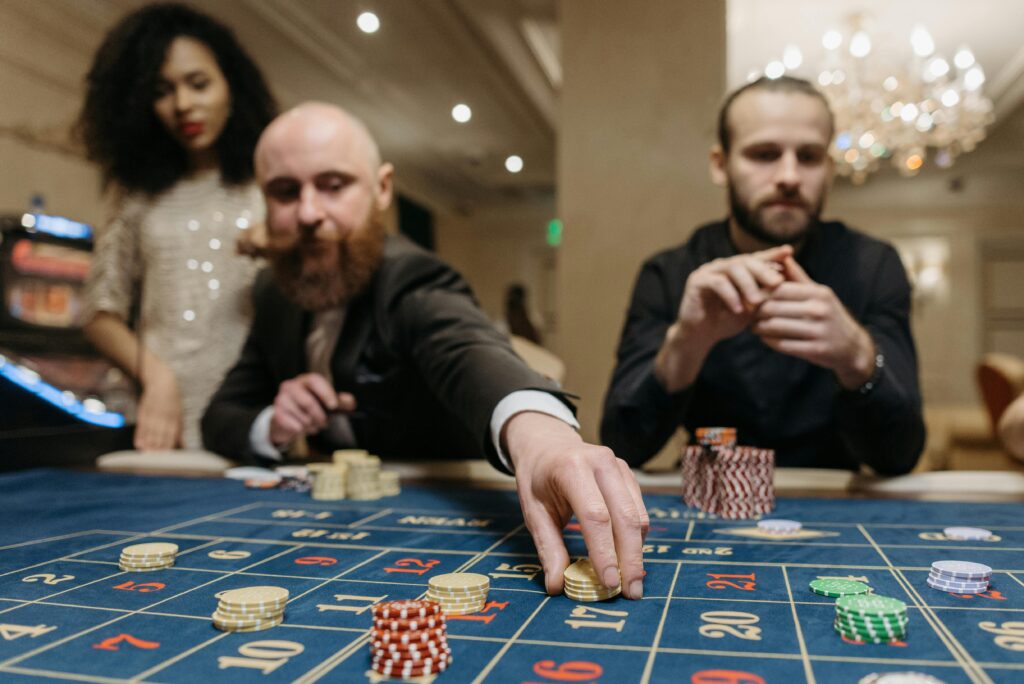
Human decision-making is heavily influenced by cognitive biases—mental shortcuts the brain uses to process information quickly. While these shortcuts help people make fast decisions, they can also lead to flawed judgments during gambling.
Some of the most common gambling-related biases include:
The Gambler’s Fallacy
The gambler’s fallacy occurs when players believe past outcomes influence future results in games of chance.
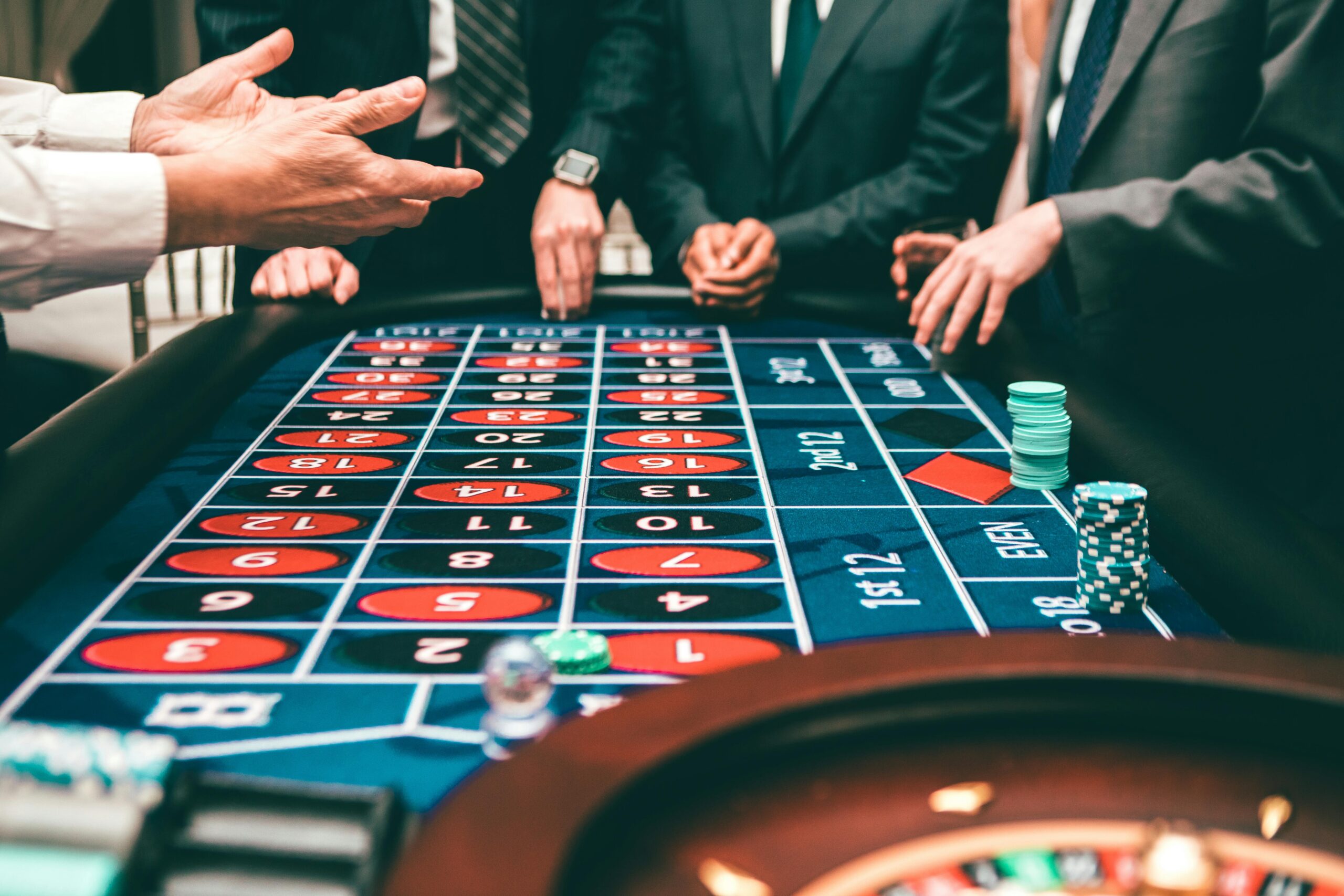
For example, if a roulette wheel lands on red five times in a row, someone might believe black is “due” next. In reality, each spin is independent.
The Illusion of Control
Many gamblers believe they can influence outcomes even when the game is based entirely on chance.
Examples include:
- Throwing dice in a particular way
- Choosing specific slot machines
- Following personal betting rituals
These behaviors can create a false sense of control over random events.
Confirmation Bias
Players often remember wins more clearly than losses. This selective memory reinforces the belief that a particular strategy or system works, even when the overall results suggest otherwise.
Confirmation bias can lead players to continue gambling because they focus on positive experiences rather than overall outcomes.
The Impact of Near Misses
Near misses are outcomes that come very close to winning but ultimately result in a loss. For example:
- Two matching jackpot symbols on a slot machine, with the third symbol just above the payline
- Losing a poker hand by one card
Psychological studies show that near misses can activate similar brain regions as actual wins. This response encourages players to keep playing because they feel like success is just around the corner. In other words, near misses can increase motivation even though the player technically lost.
Emotional Decision-Making in Gambling
Emotions play a significant role in gambling behavior. Players experiencing excitement, frustration, or stress may make decisions differently compared to when they are calm and focused.
Two common emotional reactions include:
- Chasing losses – Continuing to gamble in an attempt to recover previous losses.
- Overconfidence after wins – Increasing bet sizes after a big win because of heightened confidence.
Both reactions can lead to decisions that ignore probability and risk management. Managing emotional responses is one of the most important skills for maintaining responsible gambling habits.
The Role of Variable Rewards
One reason gambling is so engaging is the variable reward system. Unlike predictable reward systems, variable rewards occur at random intervals. This unpredictability creates a stronger psychological response because players never know when the next win will occur.
Slot machines are a classic example. A player might spin dozens of times without winning, but the possibility of a jackpot keeps them engaged. This same psychological principle is used in other forms of entertainment, including video games and social media platforms.
How Skill-Based Gambling Changes Decision-Making

Not all gambling activities rely purely on chance. Games such as poker, sports betting, and blackjack involve strategic thinking and decision-making. In these cases, players must evaluate:
- Probability and odds
- Opponent behavior
- Long-term strategy
- Risk management
However, even skilled players are still influenced by psychological biases and emotional reactions. The challenge is balancing analytical thinking with emotional discipline.
Responsible Gambling and Self-Awareness
Understanding gambling psychology can help players make more informed decisions. Responsible gambling practices include:
- Setting a fixed budget before playing
- Viewing gambling as entertainment rather than income
- Taking regular breaks during play
- Avoiding gambling when stressed or emotional
Self-awareness is one of the most effective ways to prevent impulsive decisions. Recognizing psychological triggers allows players to step back and evaluate their behavior more objectively.
The Future of Gambling Psychology Research
As online gambling platforms grow and digital gaming environments evolve, researchers continue studying how psychology influences gambling behavior. Modern studies focus on:
- Behavioral analytics in online casinos
- AI-driven responsible gambling tools
- Personalized risk detection systems
- Player behavior tracking
These developments aim to create safer gambling environments while helping players maintain control over their decisions.
Conclusion
Gambling decisions are influenced by far more than just odds and probability. The brain’s reward system, cognitive biases, emotional responses, and risk perception all shape how players behave.
By understanding the psychology behind gambling and decision-making, players can recognize the mental factors influencing their choices. This awareness not only improves decision-making but also encourages a healthier and more responsible approach to gambling.
FAQs About Gambling Psychology
Why do people keep gambling even after losing?
Psychological factors such as the gambler’s fallacy, emotional reactions, and the desire to recover losses can encourage players to continue gambling even when they are losing.
Do near misses affect gambling behavior?
Yes. Near misses activate similar brain responses to winning outcomes, which can motivate players to continue gambling because they feel close to success.
Is gambling more about skill or luck?
It depends on the game. Games like slots and roulette rely entirely on luck, while games such as poker involve strategy and decision-making skills.
How can someone avoid impulsive gambling decisions?
Setting spending limits, taking breaks, and understanding psychological triggers can help reduce impulsive gambling decisions.
Why are variable rewards so addictive?
Variable rewards create uncertainty, which increases anticipation and excitement. This unpredictability encourages people to continue playing in hopes of the next reward.