Things to Do in Thailand
Thailand is one of the most exciting destinations in Southeast Asia, offering a mix of culture, cuisine, beaches, cities, and adventure. Whether you plan to visit for a short trip or a longer journey across the country, you’ll find an incredible range of experiences—from ancient temples to tropical islands and world-class food.
This in-depth travel guide highlights the best things to do in Thailand, helping visitors plan a memorable trip no matter their budget or travel style.
Best Things to Do in Thailand for First-Time Visitors
Thailand rewards curiosity. From historic cities in the north to island escapes in the south, the country offers something for every type of traveler.
Explore the Grand Palace and Bangkok’s Iconic Temples
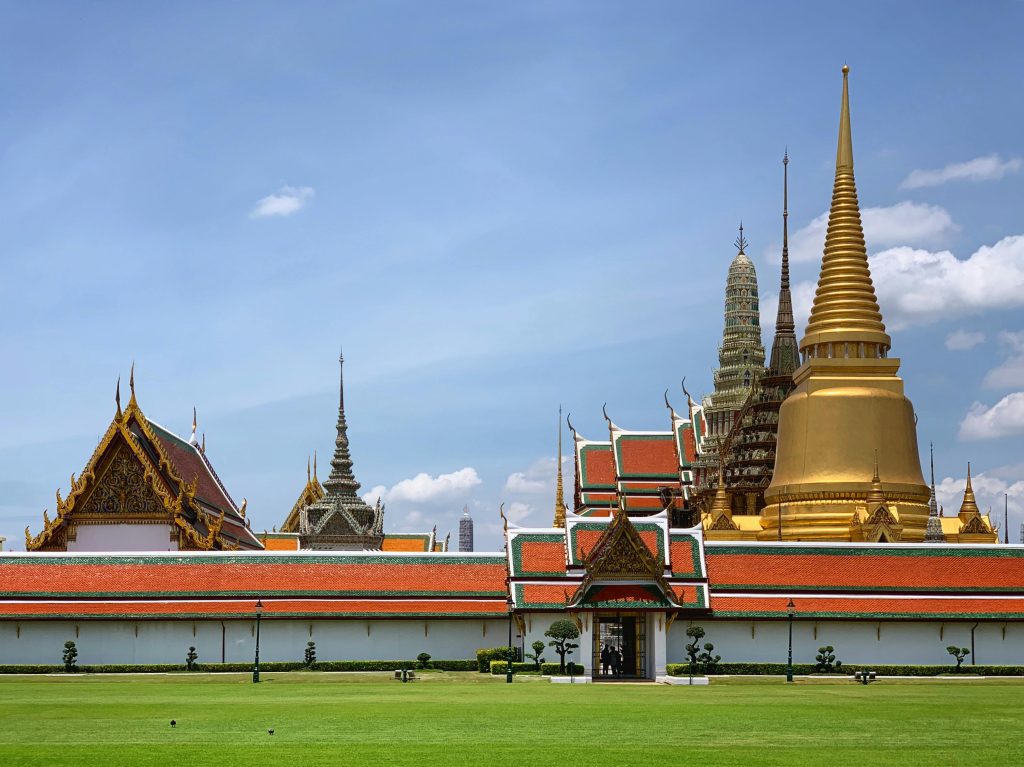
Location: Bangkok, Central Thailand
The Grand Palace is one of the must-visit places in Thailand, especially for first-time visitors. Once the official residence of the royal family, this vast complex showcases ornate architecture, golden spires, and centuries of Thai history at the heart of Bangkok.
Beyond the Grand Palace, visitors can also explore Wat Benchamabophit, known as the Marble Temple, famous for its Italian marble architecture and peaceful courtyards. Those interested in unique architecture can also go to Wat Ratchanatdaram, home to the rare Loha Prasat, a multi-tiered metal spire structure unlike any other in Thailand.
Just nearby, visitors can admire the Reclining Buddha at Wat Pho, one of Thailand’s most famous religious images. This landmark offers a powerful introduction to Thai culture, spirituality, and craftsmanship.
Visit Wat Arun, the Temple of Dawn
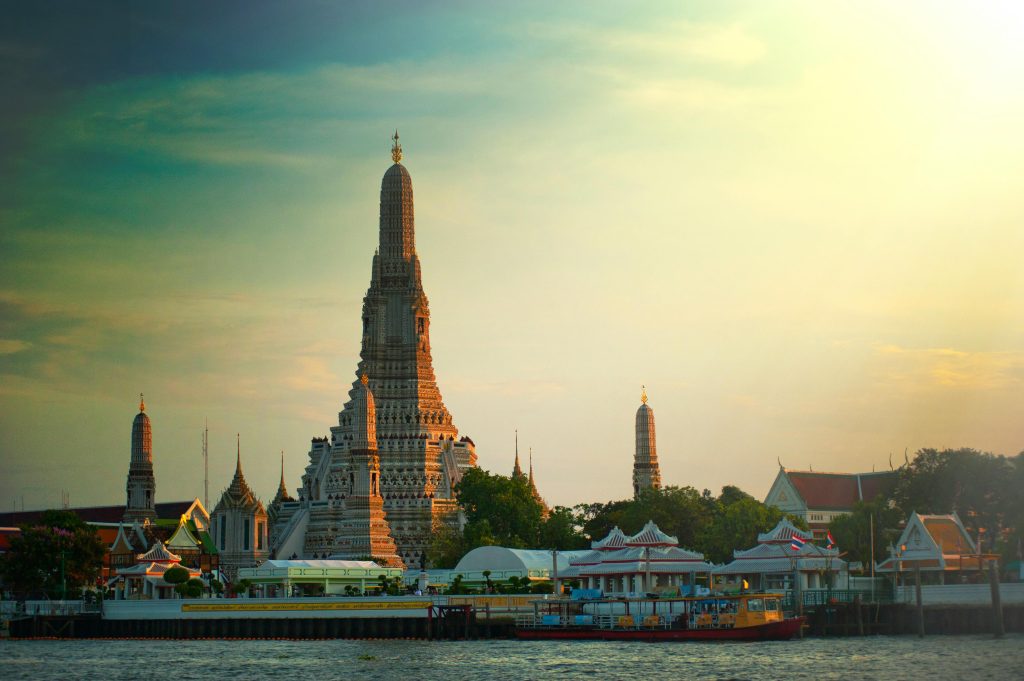
Location: Bangkok, Central Thailand
A visit to Wat Arun is one of the most iconic things to do in Thailand and a highlight for anyone exploring Bangkok. Known as the Temple of Dawn, Wat Arun stands on the west bank of the Chao Phraya River and is famous for its towering central prang decorated with colorful porcelain and seashells.
The temple is especially beautiful in the early morning and at sunset, when the light reflects off its intricate mosaics. Visitors can climb parts of the structure for elevated views of the river and the surrounding city. Wat Arun offers a quieter, more atmospheric experience compared to nearby temple complexes and provides a striking contrast to Bangkok’s streets across the river.
Wander Through Bangkok’s Chatuchak Weekend Market and Other Busy Streets
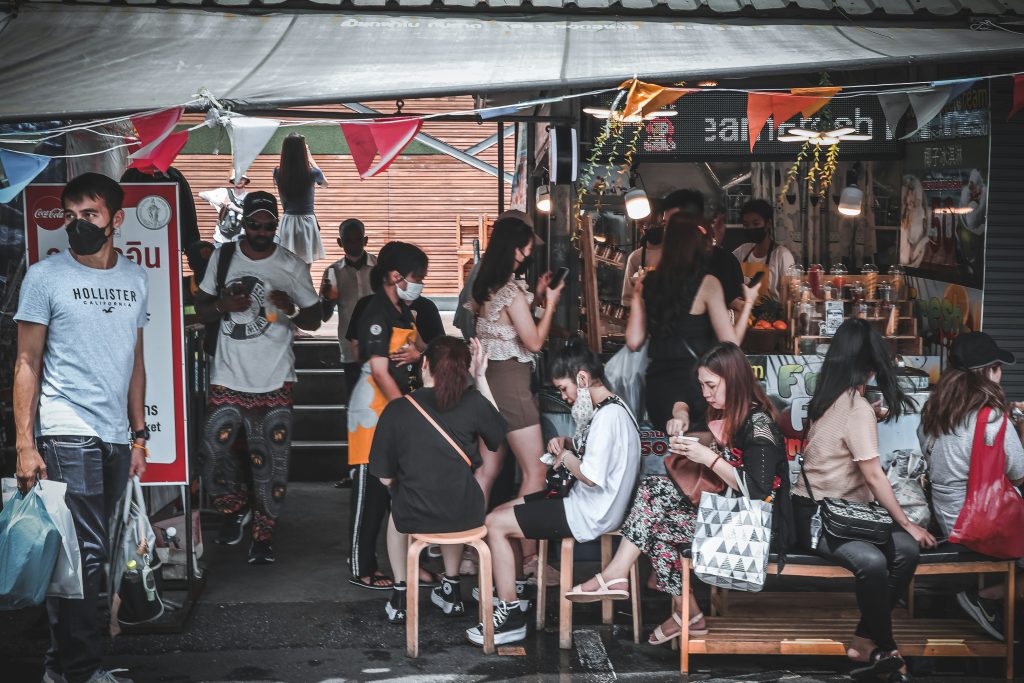
Location: Bangkok
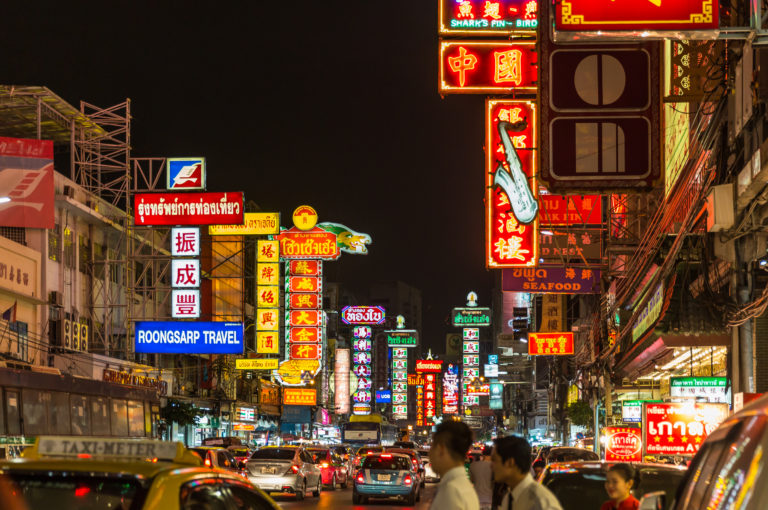
Visiting Bangkok’s streets gives travelers a front-row view of daily life in Thailand’s capital city. From tuk-tuks weaving through traffic to street vendors preparing fresh meals, the city is alive day and night.
Stops like Khao San Road, a global backpacker hub, and the massive Chatuchak Weekend Market offer shopping, food, nightlife, and people-watching all in one place. While visiting Bangkok, tourists often combine temple visits with a morning trip to a nearby floating market. It’s an ideal way to experience the energy that draws most visitors to Bangkok.
Bangkok’s food scene ranges from food stalls and night markets to Michelin-recognized fine dining restaurants found inside luxury hotels and city landmarks. Many visitors choose to book accommodation in centrally located hotels in Bangkok, making it easy to explore temples, markets, restaurants, and return to their hotel room for rest between activities.
Eat Your Way Through Thailand’s Street Food Scene
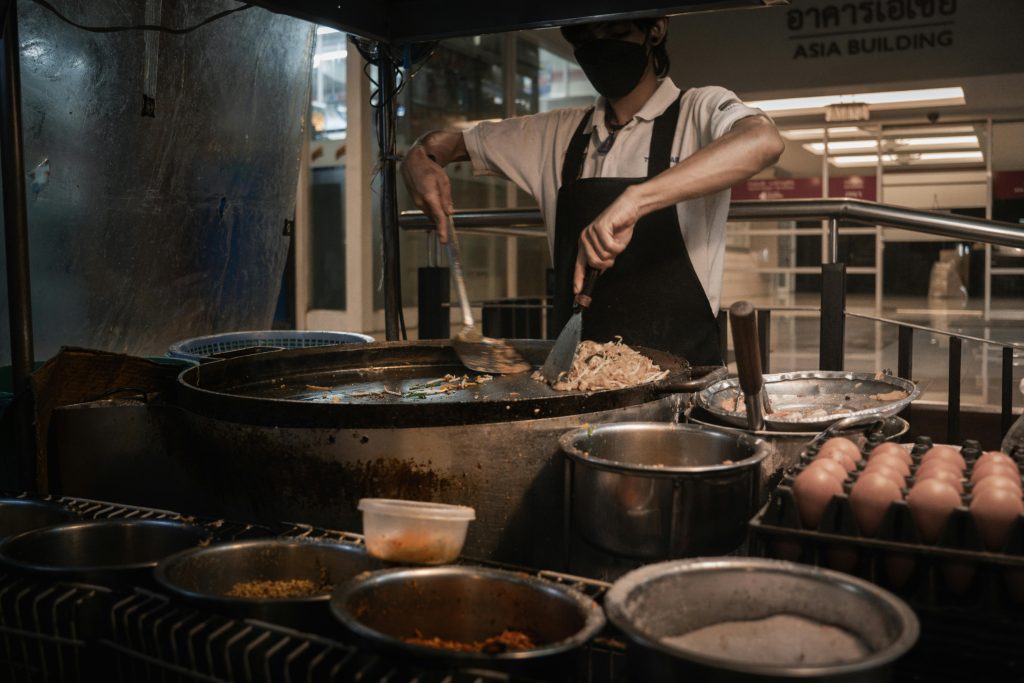
Location: Nationwide
Eating street food is one of the best things to do in Thailand and a key part of the travel experience. Across cities and towns, food stalls and restaurants serve everything from pad thai and grilled meats to noodle soups and tropical desserts.
Night markets and local streets are filled with vendors cooking fresh food on the spot. For many travelers, eating street food daily becomes one of the highlights of visiting Thailand, offering authentic flavors at affordable prices.
A floating market is an excellent place to eat fresh street food, snacks, and desserts prepared directly from boats. While street food dominates daily eating in Thailand, major cities also offer world-class fine dining restaurants serving modern Thai cuisine and international eats.
Relax With a Traditional Thai Massage

Location: Nationwide
A Thai massage is both a cultural experience and a way to recover after long days of sightseeing. Known for its stretching techniques and pressure-point work, Thai massage is widely available throughout the country and is popular all over Asia. Visitors can choose from simple neighborhood massage shops or luxury spas inside hotels and resorts.
Discover Chiang Mai and Northern Thailand’s Cultural Heart
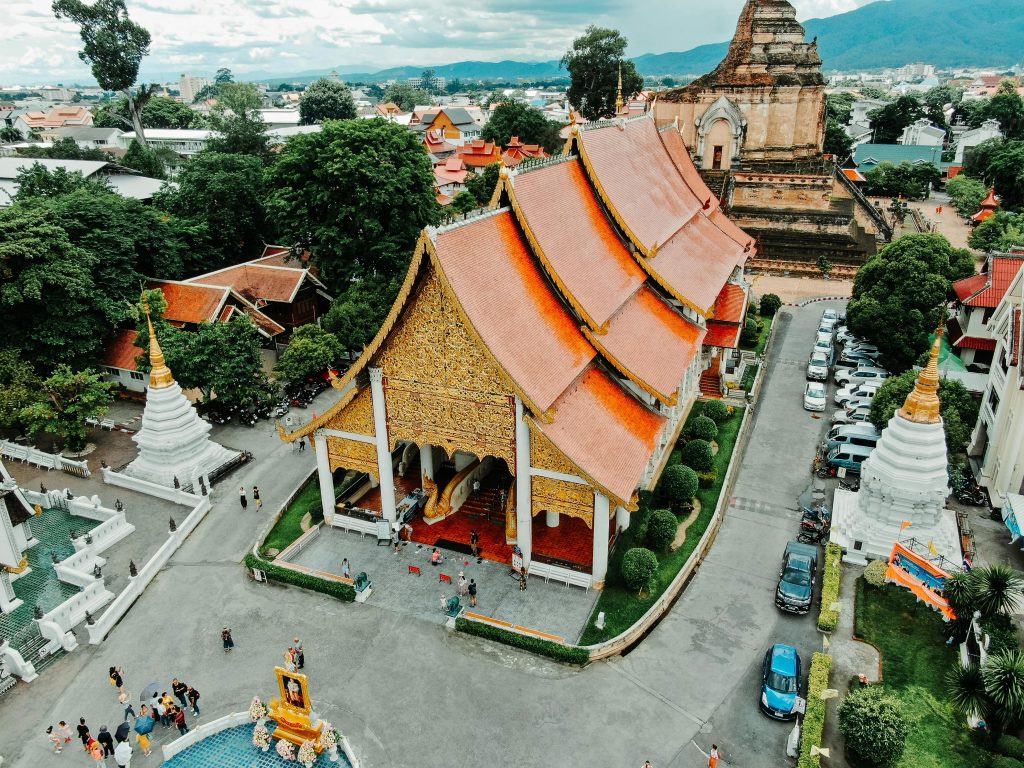
Location: Chiang Mai
Chiang Mai is a must-visit destination that allows travelers to slow down and explore Thailand’s cultural roots. Once the capital of the ancient Lanna Kingdom, the city is known for its historic temples, night markets, and relaxed atmosphere. Chiang Mai is surrounded by ancient ruins that reflect the legacy of Lanna.
Beyond the old city, visitors can take a day trip to nearby mountains and waterfalls. Chiang Mai is often the next destination after Bangkok for travelers seeking culture and nature. A floating market visit can offer insight into traditions, where canals once served as the main transport routes for trade and daily commutes.
Visit an Ethical Elephant Sanctuary
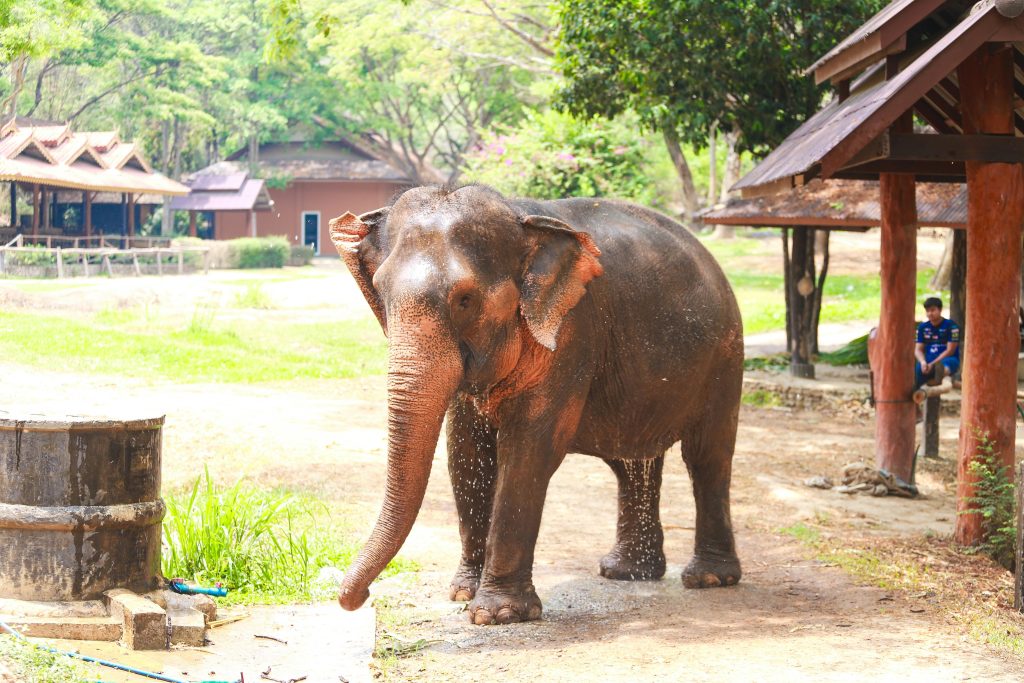
Location: Northern Thailand (Chiang Mai and surrounding areas)
An elephant sanctuary offers a chance to see elephants in a humane and responsible setting. Ethical elephant sanctuaries focus on rescue, rehabilitation, and conservation, allowing visitors to observe elephants as they roam, bathe, and socialize naturally—without riding or performances.
Most elephant sanctuaries near Chiang Mai provide half-day or full-day programs that include guided walks, feeding sessions, and educational talks about elephant welfare. Choosing a reputable elephant sanctuary supports animal protection efforts while giving travelers an unforgettable experience rooted in respect for the culture and wildlife conservation.
Visit Chiang Rai and the Wat Rong Khun White Temple
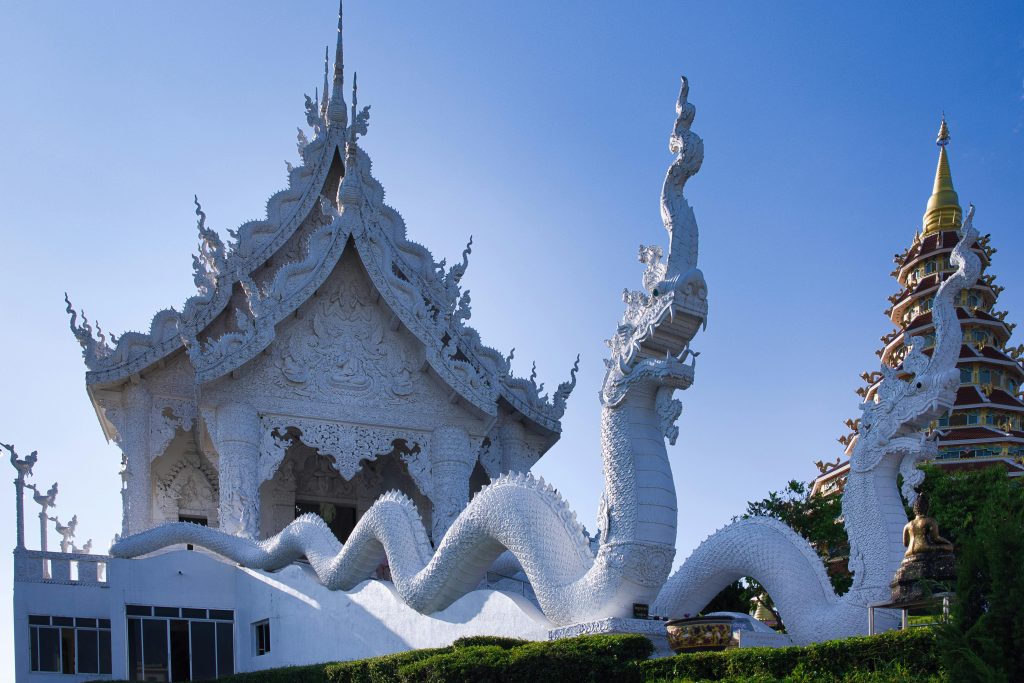
Location: Chiang Rai, Northern Thailand
Chiang Rai offers a quieter alternative to larger tourist cities while still delivering unique attractions. The highlight is Wat Rong Khun, also known as the White Temple, a striking modern temple filled with symbolic artwork and intricate details.
Nearby, travelers can also see the Blue Temple (Wat Rong Suea Ten) and explore the surrounding countryside on a day trip. Chiang Rai is a must-visit for those interested in art, temples, and northern culture.
Go Island Hopping in Southern Thailand

Location: Southern Thailand
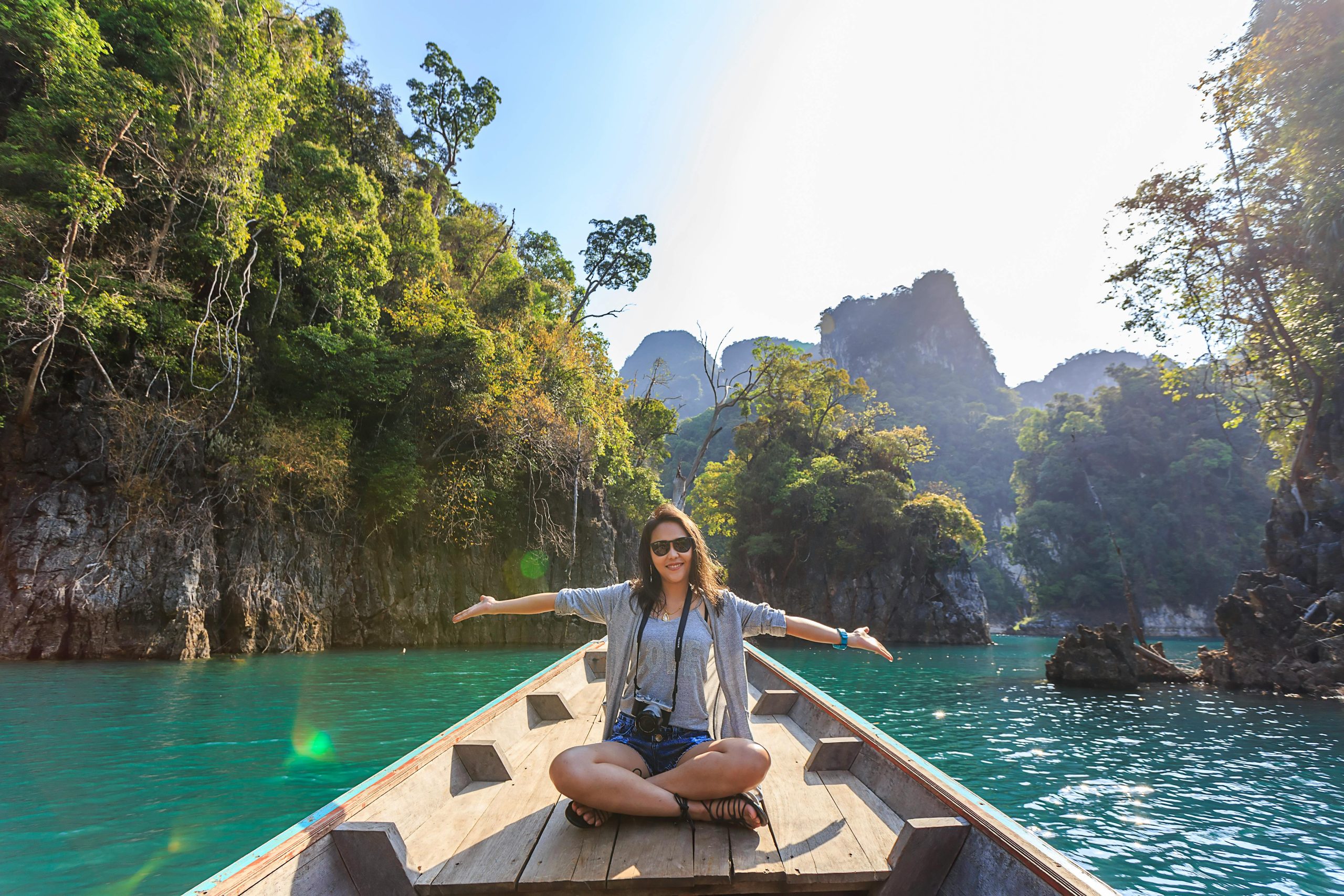
Island hopping is one of the most popular activities in Thailand, thanks to its stunning coastline and clear waters. Travelers can explore must-visit islands like Koh Samui, Koh Tao, Koh Lanta, and Railay Beach, each offering a different pace and atmosphere.
The island of Koh Tao is especially known for scuba diving, while Koh Samui offers luxurious hotels and nightlife. Island hopping is best planned as a day trip around weather conditions, as rain can affect ferry schedules.
Experience Thailand’s National Parks and Natural Landscapes
Location: Nationwide
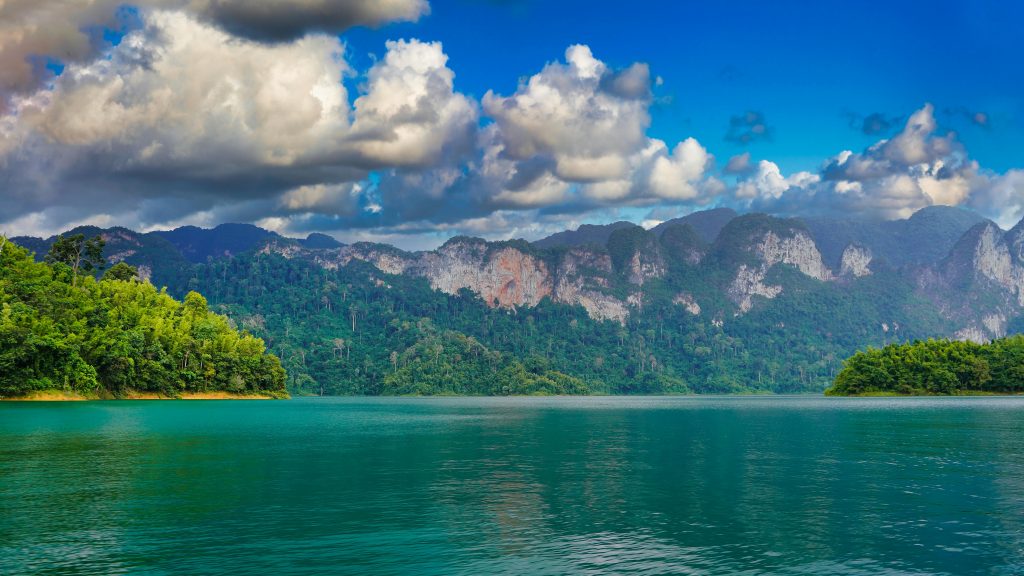
Experiencing Thailand’s natural beauty means venturing beyond cities and beaches. National parks across the country protect rainforests, waterfalls, caves, and wildlife.
From mountainous parks in the north to lush reserves like Khao Sok National Park in the south, these areas offer hiking, kayaking, and unforgettable scenery. They provide a contrast to urban regions and showcase another side of Thailand.
Shop Late Into the Night at Thailand’s Night Markets

Location: Nationwide
Night market shopping is a favorite activity for tourists and natives alike. These markets combine food, clothing, souvenirs, and entertainment in a lively evening setting.
Whether browsing small stalls and restaurants or massive markets in major cities, night markets are a great place to eat, shop, and experience Thai social routines after sunset.
Take a Scenic Day Trip Beyond the City (Lalitta Cafe, Floating Markets, and More)

Location: Various Regions
A day trip allows travelers to see more of Thailand without changing accommodations. From nearby temples and floating markets to countryside restaurants and cafes like Lalitta Cafe, day trips add variety to any itinerary.
Many travelers choose a floating market as a day trip from Bangkok to experience local routines along the canals. These short excursions are perfect for travelers with limited time who still want to experience different landscapes and traditions.
Watch a Thai Boxing (Muay Thai) Match
Location: Bangkok and major cities across Thailand
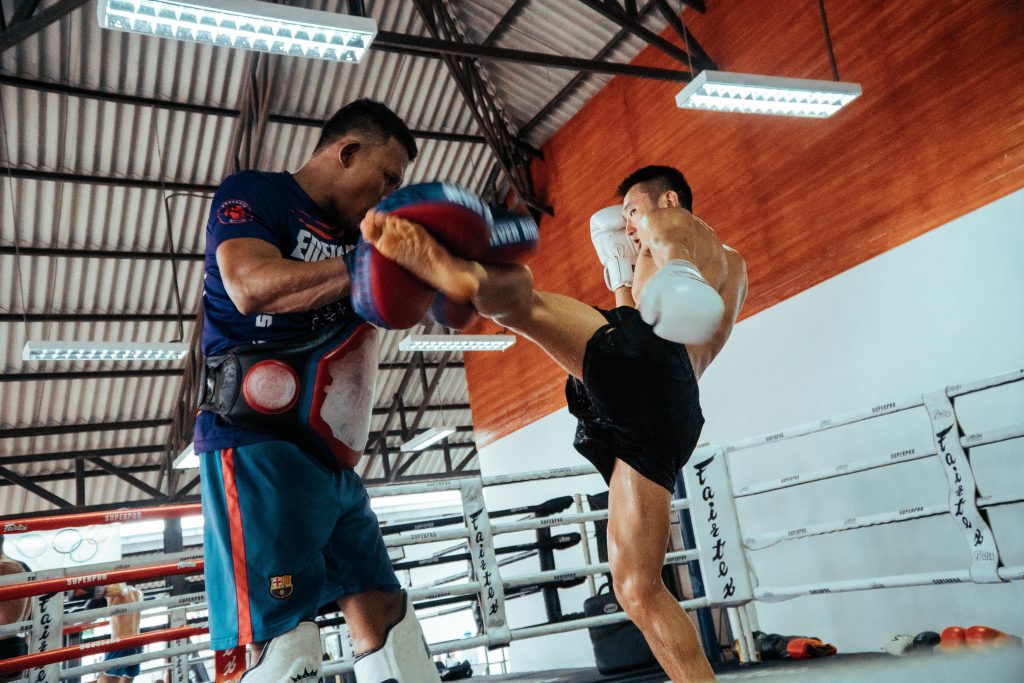
Watching a Thai boxing match is one of the most exciting cultural experiences in Thailand. Known locally as Muay Thai, it is the country’s national sport and combines athletic skill, tradition, and ritual into a high-energy spectacle. Thai boxing fighters use a combination of punches, kicks, elbows, and knees, earning Muay Thai its reputation as the “art of eight limbs.”
In Bangkok, visitors can watch live Thai boxing matches at famous stadiums or organized fight nights, while other major cities also host regular events. Before each match, fighters perform the traditional Wai Kru dance, honoring their trainers and culture.
Whether you’re a sports fan or a first-time viewer, experiencing Thai boxing offers a powerful glimpse into Thailand’s history, discipline, and fighting spirit.
Frequently Asked Questions on Must-Visit Places in Thailand
What is a must-do and must-visit places in Thailand?
A must-do in Thailand includes visiting temples, eating street food, watching Thai boxing, exploring islands, going to an elephant sanctuary, and engaging with culture through markets and festivals. For many tourists, seeing a floating market is a must-visit experience and one of the most memorable parts of a Thailand trip.
What is Thailand most famous for?
Thailand is famous for its temples, elephant sanctuaries, Thai boxing (the national sport), beaches, street food, friendly Thai people, and rich culture.
Is Bangkok or Phuket Better?
Bangkok is better for culture, food, and city attractions. Phuket is better for beaches and resort-style travel. Many travelers go to both must-visit places.
What to do during the rainy season in Thailand?
During the wet season in Thailand, travel guides suggest focusing on indoor and low-impact activities such as visiting temples and museums, enjoying massage and spa treatments, exploring cafés and shopping malls, and sampling street food at covered markets. Short rain showers are common, so plan sightseeing between storms, choose flexible day trips, and use the time to experience cultural attractions and local traditions.
How is public transport in Thailand?
In Thailand, you can expect reliable public transportation in major cities, including trains, buses, and river ferries. Tuk-tuk rides are fun for short distances, while renting a motorbike is common on islands (with caution). For long distances, domestic flights save time, while trains offer a scenic travel experience.
Is $100 a lot in Thailand?
Yes, $100 can cover food, transport, and activities for a day and one night in many areas.
Is $500 enough for a week in Thailand?
For budget travelers, yes—especially if using public transportation and local food stalls.
Is $1,000 enough for a month in Thailand?
In some areas of north Thailand or smaller cities, it’s possible with a simple lifestyle.
Is $50,000 enough for a Thailand trip?
Yes, $50,000 is more than enough for an extended, luxurious trip and a stay at a good hotel across Thailand.
Is Thailand better than India for tourists?
Thailand and India both offer rich and diverse experiences, but they appeal to different travel styles. Thailand is often easier for first-time travelers due to its compact size, modern infrastructure, and well-developed tourism industry, making it simple to combine amazing beaches, cities, temples, and nightlife in one trip.
India offers greater scale and depth in history, spirituality, and cultural diversity, though travel can require more time and planning. Whether Thailand is “better” depends on personal interests, travel pace, and what kind of experiences a traveler is seeking.