
Check out the best bonus deals before Midnight tonight!

Casinos are carefully engineered environments. Every color, sound, layout, and lighting choice is designed to influence how players feel, move, and make decisions. While most visitors think they are simply walking into a place of entertainment, the reality is that casino design plays a powerful role in shaping player behavior—from how long people stay to how much they spend.
Understanding how design affects player psychology reveals why casinos look and feel the way they do and how subtle details guide player actions without them even noticing.
How Casino Layout Shapes Movement and Spending
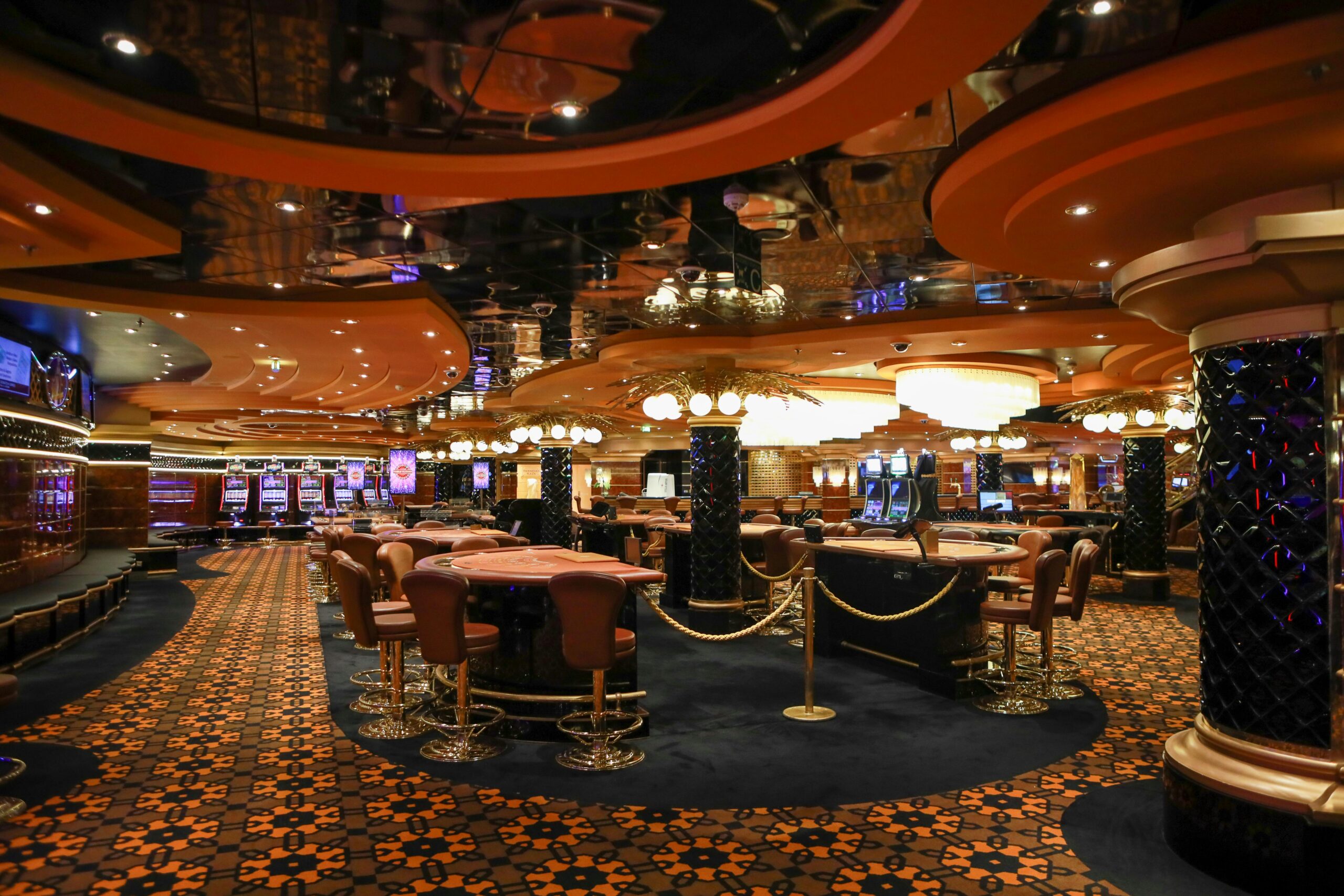
One of the most influential elements in casino design is layout. Casinos are built to encourage exploration while minimizing exits and distractions. Slot machines are often arranged in clusters or winding paths, making players naturally wander deeper into the gaming floor.
Key layout strategies include:
- Placing high-traffic games in central areas
- Locating restrooms and restaurants deeper inside the casino
- Designing curved walkways to reduce awareness of time and distance
- Removing clocks and windows to keep players focused on the gaming environment
These design choices subtly extend playtime and increase exposure to more games.
Lighting and Color Psychology in Casinos
Lighting plays a major role in setting the mood and energy levels. Bright, warm lighting is used around slot machines to create excitement, while softer lighting appears in lounges and table game areas to encourage longer stays.
Colors are also chosen strategically. Red and gold tones promote stimulation and urgency, while blues and greens help players feel relaxed and comfortable. Together, lighting and color influence emotional states that impact betting decisions.
Sound Design and Its Influence on Player Decisions
Casino soundscapes are carefully crafted. Slot machine jingles, winning tones, and background music create an environment that reinforces positive emotions and encourages continued play.
Winning sounds trigger excitement and reinforce reward behavior, even when the win is small. Background music is usually upbeat but not overpowering, helping players maintain energy and focus.
Comfort and Convenience Keep Players Engaged
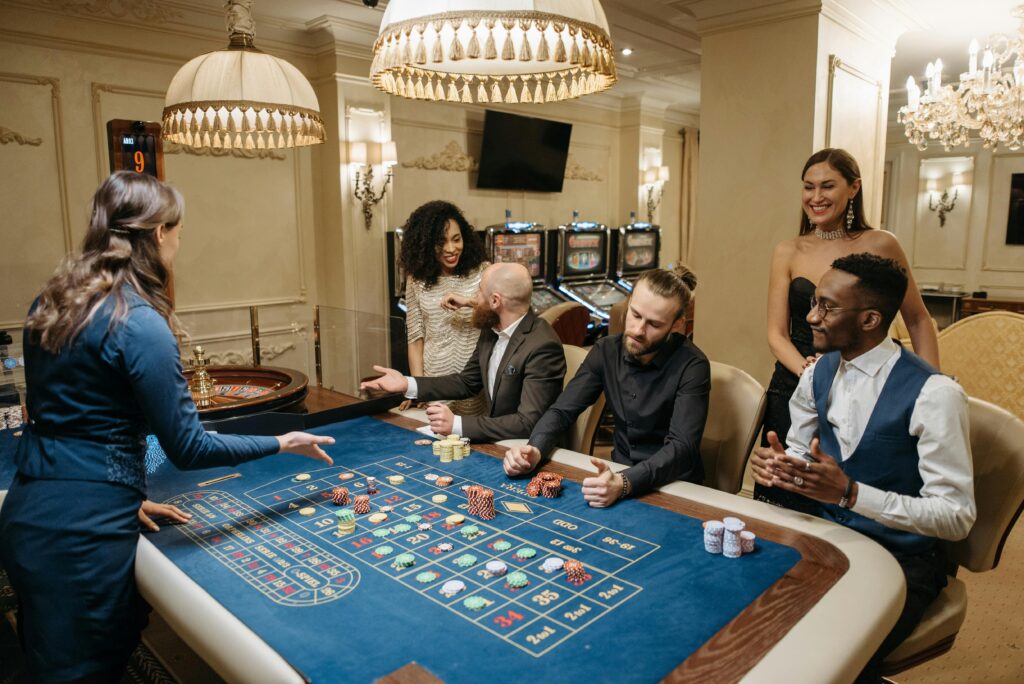
Comfort is another major factor in player behavior. Casinos invest heavily in ergonomic seating, controlled temperatures, and easy access to drinks and food. The goal is to remove physical discomfort that might interrupt gameplay.
When players feel physically comfortable, they are more likely to remain engaged and continue wagering.
Visual Design and Themed Environments
Themed casinos use storytelling and visual immersion to keep players emotionally connected to the space. Whether it’s a luxury resort theme or a cultural motif, visual design creates identity and memorability.
Visual stimulation can:
- Increase excitement and curiosity
- Reduce boredom
- Encourage repeat visits
- Strengthen emotional attachment to the casino brand
These environments transform gambling into an experience rather than just an activity.
The Role of Digital Displays and Technology
Modern casinos use digital screens, interactive kiosks, and LED displays to highlight promotions and guide player behavior. These technologies create constant visual engagement and help casinos communicate offers instantly.
Digital tools influence behavior by:
- Promoting bonuses and jackpots in real time
- Providing easy navigation and game discovery
- Creating dynamic environments that feel modern and exciting
- Reinforcing branding and loyalty programs
Ethical Design and Responsible Gaming Considerations
While casino design can influence behavior, there is growing awareness of the need for ethical design practices. Many casinos now incorporate responsible gaming elements such as:
- Visible signage for support services
- Clear exit paths and rest areas
- Time and spending reminders
- Balanced lighting and reduced sensory overload
These features help promote safer gambling while maintaining entertainment value.
Why Casino Design Matters for the Industry
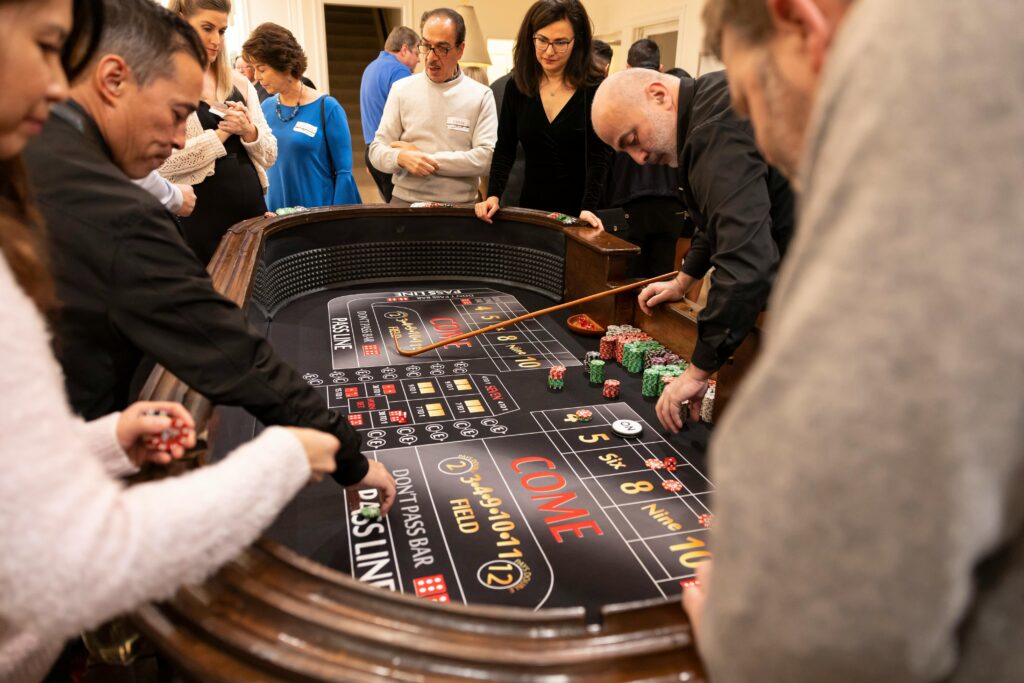
Casino design directly impacts revenue, player satisfaction, and long-term loyalty. Well-designed spaces create environments where players feel excited, comfortable, and motivated to return. At the same time, modern design must balance business goals with responsible gaming standards.
As technology advances, casino environments will continue to evolve toward smarter, more adaptive spaces that respond to player behavior and preferences in real time.
Final Thoughts
The impact of casino design on player behavior goes far beyond aesthetics. Layout, lighting, sound, comfort, and technology all work together to shape how players think, feel, and act while gambling.
By understanding these design principles, players can become more aware of how their surroundings influence decisions, while casinos can create environments that are engaging, ethical, and sustainable. The future of casino design will focus not only on maximizing entertainment but also on promoting healthier, more informed player experiences.