

Check out the best bonus deals before Midnight tonight!

Where to Live in Thailand
Choosing where to live in Thailand depends on lifestyle, budget, and long-term goals. From big city living to tropical islands and small towns, Thailand offers diverse options that appeal to digital nomads, retirees, families, and professionals.
With an affordable cost of living, year-round tropical climate with warm average temperatures, quality healthcare, and thriving expat communities, Thailand remains one of the most attractive destinations in Southeast Asia for foreigners planning to live abroad.
The Best Thai Cities to Live In
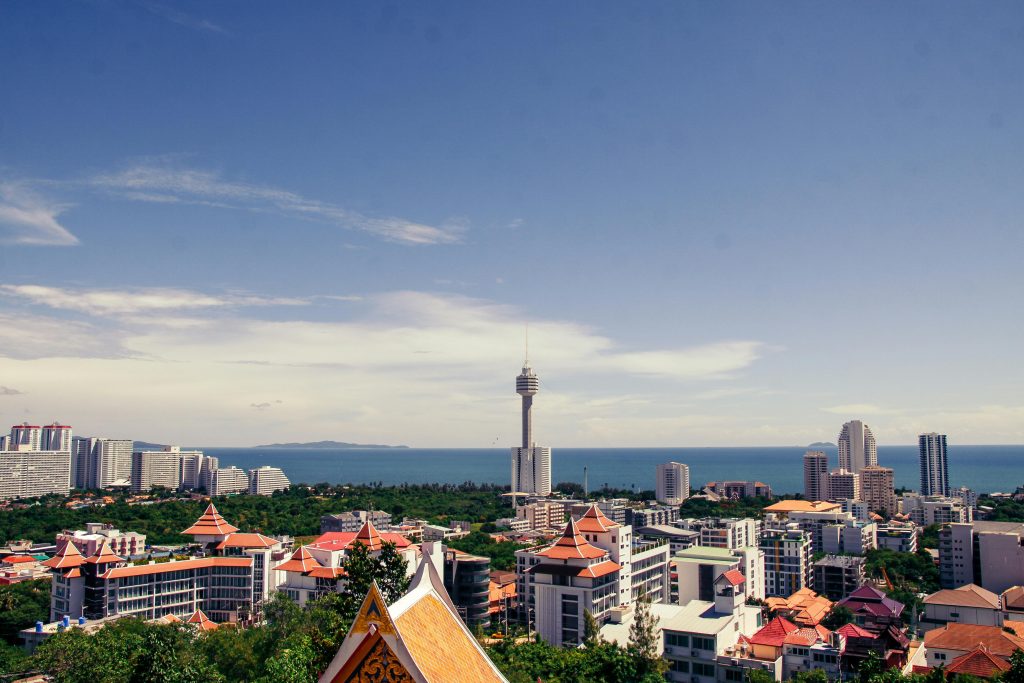
Finding the best places to live in Thailand depends on what kind of lifestyle you want to build. Some people are drawn to big city energy and modern conveniences, while others prefer a slower pace surrounded by natural beauty.
Chiang Mai: Northern Thailand’s Expat Capital
Chiang Mai is one of the most popular destinations for digital nomads and retirees. The city combines rich history, ancient temples, fresh air, and a slower pace compared to Bangkok.
Nimmanhaemin and the Chiang Mai city center are filled with coffee shops, coworking spaces, shopping malls, night markets, and international restaurants offering Thai food. Chiang Mai is family-friendly, has international schools, and has access to national parks and activities.
Cost of living remains low in Chiang Mai, making it attractive for those on a monthly budget, while the average temperature is cooler than most other locations during certain months.
Koh Samui: Tropical Island Living
Koh Samui is an island known for its white sand beaches, stunning scenery, luxury hotels, and vibrant nightlife. As Thailand’s largest island after Phuket, it offers modern conveniences alongside natural retreats.
Many expats choose this area for its relaxed lifestyle, fresh seafood, golf courses, and international facilities. While island living is more expensive than in inland cities, it remains affordable compared to many Western countries.
Hua Hin: Family Friendly and Relaxed
Hua Hin is a coastal city popular with retirees and families. Conveniently located a few hours from Bangkok, it offers a peaceful life with beautiful beaches, affordable housing, and excellent healthcare.
Hua Hin is known for golf courses, night markets, and access to Bangkok via train and road. The city has international schools, shopping malls, and a strong tourism industry without the chaos of a big city.
Bangkok: Big City Life in Southeast Asia
Bangkok, Thailand’s largest city, is ideal for those who enjoy city life, rooftop bars, vibrant nightlife, and endless dining options. The city stretches along the Chao Phraya River and features modern public transportation, luxury condos, and world-class healthcare.
While Bangkok traffic can be heavy, public transportation systems provide access across the city. Bangkok suits professionals, entrepreneurs, and those who prefer a fast-paced environment.
Pattaya: Affordable Coastal City
Pattaya has evolved into one of Thailand’s most accessible coastal cities for long-term living. While once known mainly for nightlife, the city now attracts retirees, families, and remote workers looking for modern shopping malls, international hospitals, and a large community of expats.
The city offers access to Bangkok, reliable public transportation, and a wide range of Western food, international schools, and bustling markets. Pattaya suits expats who want city conveniences by the sea without the high costs of island living.
Rayong: Slower Pace, Quiet Beach Living With Easy Access to Bangkok
Rayong is a peaceful coastal city along the eastern Gulf of Thailand that appeals to expats seeking a slower pace and lower cost of living. The area offers beautiful beaches, affordable housing options, and less tourist traffic compared to major resort towns.
With convenient road access to Bangkok and nearby industrial hubs, Rayong provides a balance between local Thai culture and modern amenities. It is well-suited for retirees and families who want quiet surroundings without giving up healthcare and shopping facilities.
Krabi Town: Laid-Back Living Surrounded by Natural Beauty
Krabi Town offers a relaxed lifestyle surrounded by limestone cliffs, national parks, and stunning beaches. Unlike nearby resort areas, Krabi Town maintains a strong local feel while still supporting a growing community of expats.
Residents enjoy local food and access to islands and outdoor activities such as kayaking and hiking. Krabi Town is ideal for those who value natural beauty, a peaceful lifestyle, and proximity to some of southern Thailand’s most scenic landscapes.
Koh Phangan: Wellness-Focused Island Living
Koh Phangan is best known for its Full Moon Party, but long-term residents experience a very different side of the island. Away from the party beaches, the island offers a calm, wellness-oriented lifestyle centered around yoga, meditation, and outdoor living.
With a strong community of expats, Koh Phangan appeals to those seeking a laid-back lifestyle, fresh air, and a close connection to nature. While island living costs more than in mainland towns, it remains affordable compared to similar destinations in Southeast Asia.
Pak Nam Pran: Community-Driven Coastal Living
Pak Nam Pran is a small seaside community in Pranburi Province that has quietly become a favorite among expats looking for a peaceful lifestyle. The area is known for its clean beaches, local markets, and strong sense of community.
Affordable housing, outdoor activities, and growing expat involvement in local events make Pak Nam Pran attractive for long-term residents. It suits those who want coastal living without crowds, luxury hotels, or heavy tourism.
Where to Live in Thailand: Popular Choices for Many Expats
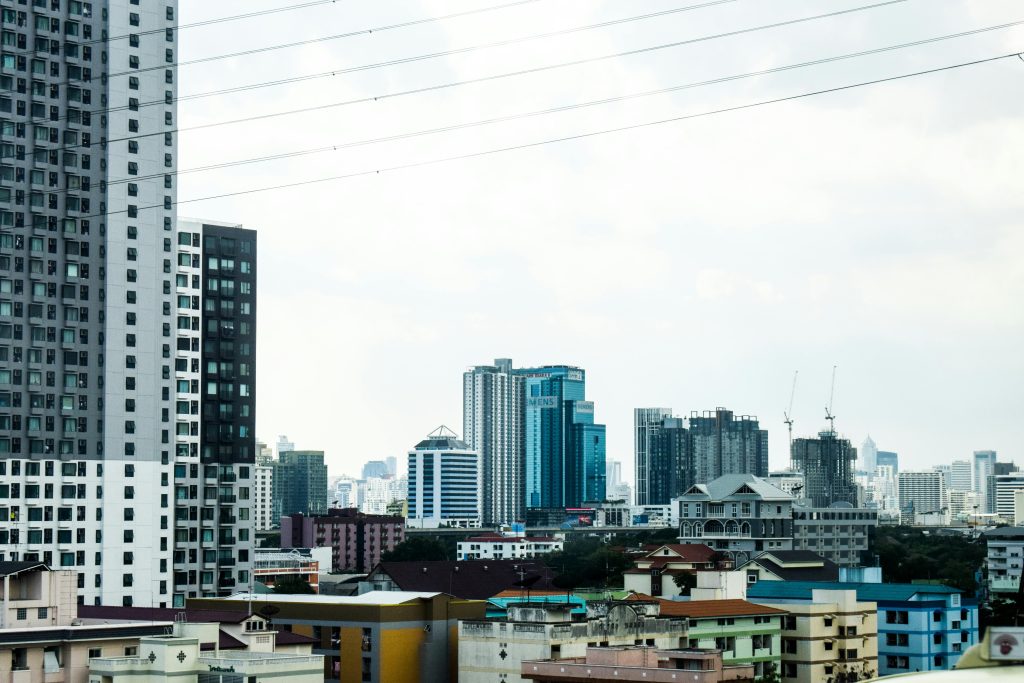
Thailand’s cities, coastal towns, and islands each offer a distinct lifestyle. While many visitors stay only a few months, a large number of foreigners decide to live in Thailand long-term due to easy access, modern facilities, and welcoming Thai people.
Most expats in Thailand settle in areas with established expat community networks, international facilities, and reliable public transportation. Bangkok, Chiang Mai, Hua Hin, and Pattaya consistently attract the most expats due to infrastructure, healthcare, and social opportunities.
Facebook groups, local events, and coworking spaces help newcomers integrate quickly, especially in cities with large expat community hubs.
Safest Places to Live in Thailand
Thailand is generally considered a safe country for long-term residents, with low rates of violent crime and a strong police presence in most expat-friendly areas. That said, the safest place to live in Thailand often depends on lifestyle, location, and access to services rather than a single city.
Cities such as Chiang Mai, Hua Hin, and Chiang Rai are frequently cited by expats as some of the safest places to live due to their family-friendly environments and well-established expat communities. These areas benefit from good healthcare facilities, active local authorities, and lower population density compared to major tourist hubs.
For island living, Koh Samui and parts of Krabi Town are considered safe, especially in residential neighborhoods away from nightlife zones. In larger cities like Bangkok, safety is high in central and residential districts with reliable public transport and security services, though residents should remain cautious in crowded areas.
Is Thailand a good place for Americans to live?
Yes, Thailand is a popular choice for many Americans thanks to its low cost of living, welcoming Thai people, and high standard of healthcare. Americans often appreciate the lifestyle flexibility Thailand offers, whether that means living in a big city, a quieter town, or an island setting.
The country’s modern infrastructure and large expat communities make daily life easier to navigate, even for first-time expats. English is widely spoken in many areas, and access to Western food, international schools, and social networks helps Americans settle in quickly. Combined with a warm climate and diverse lifestyle options, Thailand continues to be an attractive long-term destination for Americans looking to live abroad.
Affordable Cost of Living in Thailand
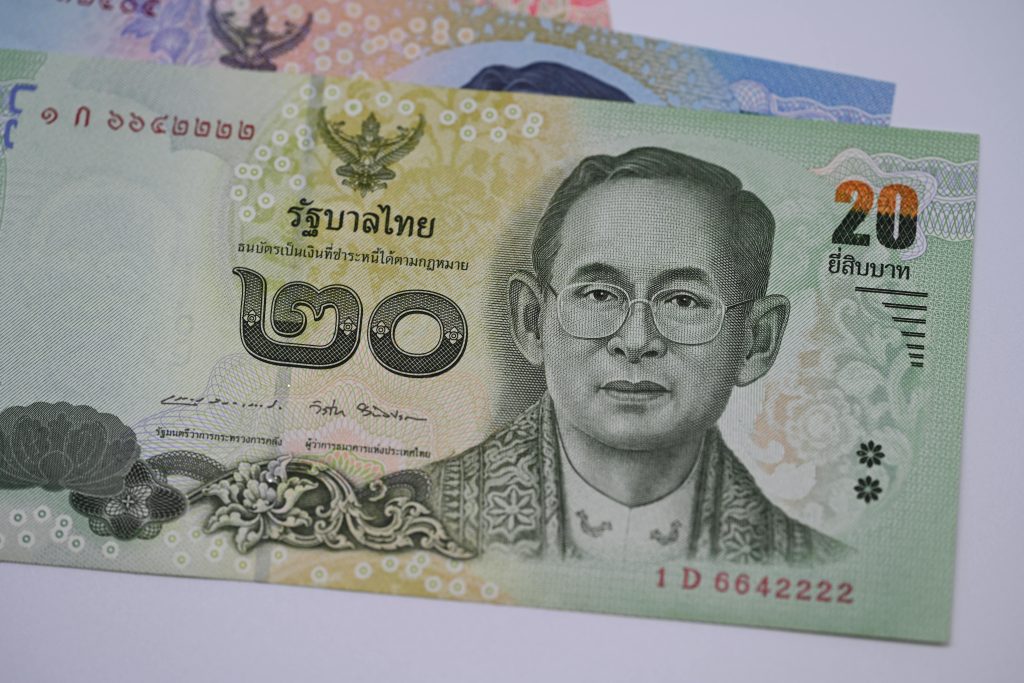
The cost of living in Thailand varies widely depending on location, lifestyle, and personal choices. While Thailand is known for its affordable cost compared to Western countries, expenses can differ significantly between main cities, towns, and tropical islands. Understanding the main cost drivers helps expats and long-term visitors plan a realistic budget.
Housing and Rent Costs
Housing is the biggest factor affecting the cost of living in Thailand. The largest cities, such as Bangkok and popular islands like Koh Samui generally have higher rental prices, especially in city center areas or beachfront locations. In contrast, north Thailand, such as Chiang Mai, and small towns offer cheap housing options, including condos and houses at significantly lower prices.
Affordable housing is widely available, and many expats choose long-term rentals to reduce monthly costs. Utilities are typically low, although air-conditioning can increase electricity bills in hotter months.
Food and Dining Expenses
Food costs in Thailand can be very low, particularly if you eat local food from street vendors, local markets, and neighborhood restaurants. Thai food is affordable, fresh, and widely available across the country.
Those who prefer Western food, imported groceries, or frequent dining at international restaurants should expect higher expenses. Cities with large expat communities, such as Chiang Mai, offer more dining variety, which can increase monthly spending depending on habits.
Private and Public Transportation
Transportation costs depend heavily on where you live. Bangkok has an extensive public transport systems that make commuting affordable and convenient. In other cities and towns, residents often rely on motorbikes, songthaews, or private vehicles.
Fuel prices are reasonable, and public transport remains inexpensive compared to many countries. However, limited transport options in rural areas may require owning a vehicle, increasing costs slightly.
Healthcare
Thailand is well known for healthcare at affordable prices. Public hospitals provide low-cost care, while private and international hospitals offer higher standards at moderate fees.
Health insurance is recommended for expats, especially those planning to stay long-term. Premiums vary based on age, coverage, and provider, but healthcare costs in Thailand remain cheap compared to Western healthcare systems.
Education and International Schools
For families, education is an important factor in the cost of living. International schools are widely available in Bangkok, Chiang Mai, and other main cities, but tuition fees can be high.
Families should factor school fees, transportation, and extracurricular activities into their budget, as these costs can significantly increase overall living expenses.
Lifestyle, Entertainment, and Leisure
Lifestyle choices greatly affect how much you spend each month. Nightlife, shopping malls, fitness memberships, golf courses, and travel within Thailand can raise expenses, especially in tourist-heavy areas.
Those seeking outdoor activities often enjoy a low-cost lifestyle without sacrificing quality of life.
Utilities, Internet, and Daily Services
Utilities such as water, electricity, and internet are affordable and reliable in most Thai cities. High-speed internet is widely available, supporting remote work and digital nomads. Everyday services like laundry, cleaning, and mobile plans are inexpensive, helping keep monthly costs low even in urban areas.
Thailand’s tropical climate and warm average temperature influence daily living costs, particularly electricity use for air-conditioning, while also allowing for an outdoor lifestyle throughout most of the year.
Location and Regional Differences
Location is one of the biggest cost factors in Thailand. Bangkok, Phuket, and Koh Samui generally cost more than northern Thailand, Chiang Mai, Chiang Rai, or inland provincial towns.
Living outside tourist hotspots often results in a lower cost of living while still providing access to essential services and healthcare.
Live in Thailand: Practical Considerations
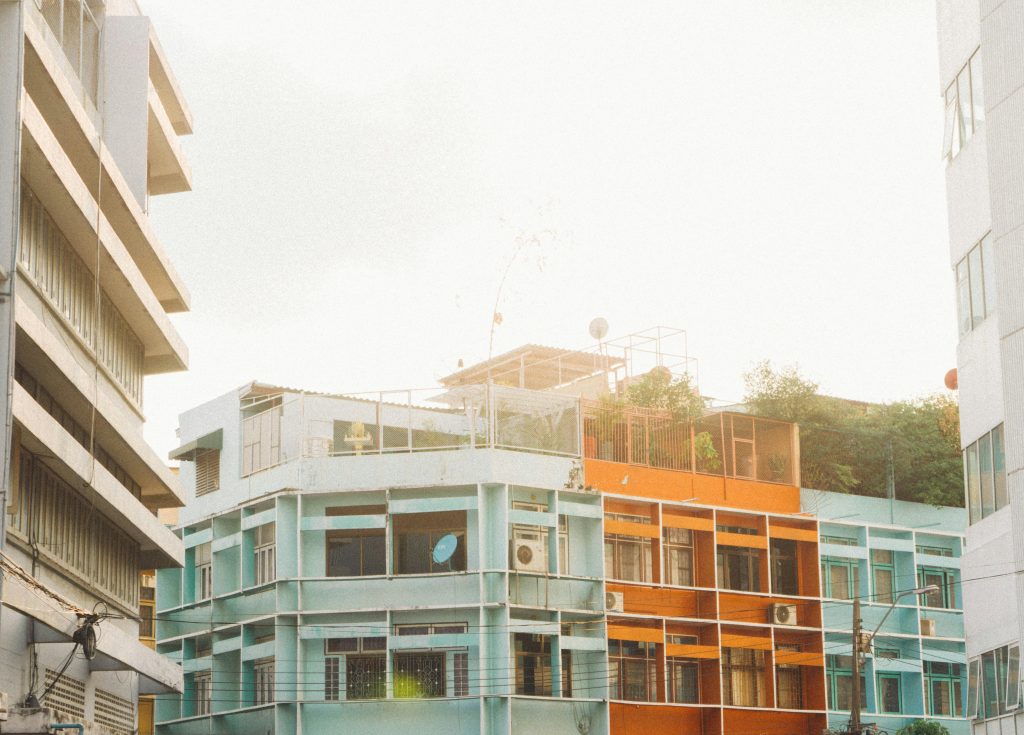
Living in Thailand involves more than choosing the right city or beach town. Long-term residents should understand key practical considerations such as healthcare access, transportation, language, and daily costs. While Thailand offers modern facilities, quality healthcare, and an affordable lifestyle, planning ahead helps ensure a smooth transition and a comfortable day-to-day life for expats, retirees, and remote workers alike.
Healthcare and Health Insurance
Thailand offers quality healthcare, including international hospitals in major cities. Health insurance is recommended for long-term residents, especially for emergency care and specialist treatment.
Language and Daily Life
The Thai language is the official language, but English is widely spoken in expat areas. Learning basic Thai helps with daily interactions and deeper integration into Thai culture.
Transportation and Accessibility
Public transport is excellent in Bangkok and improving in other cities. Towns rely more on local transport, but Thailand remains easy to navigate overall.
Monthly Budget
Your budget in Thailand will largely depend on where you choose to live, your housing preferences, and your overall lifestyle. While Thailand is known for its low cost of living, expenses can vary significantly between the northern region, major cities, and island destinations.
The estimates below provide a general guide to what different budget levels can support for long-term living.
- $1,000 per month: Possible in north Thailand and towns with modest housing
- $2,000 per month: Comfortable lifestyle in most Thai cities
- $3,000+ per month: Luxury living, frequent travel, and private healthcare
Housing, transportation, and entertainment costs can increase during the high season, particularly in popular tourist areas such as Bangkok, Chiang Mai, and island destinations.
Frequently Asked Questions About Living in Thailand
Which part of Thailand is best to live in?
It depends on preferences—Bangkok for city life, Chiang Mai for culture and affordability, Koh Samui for island living, and Hua Hin for retirement.
Is $1,000 enough for a month in Thailand?
Yes, in north Thailand and towns with affordable housing and local food.
Is $2,000 a month enough to live in Thailand?
Yes, $2,000 provides a comfortable lifestyle in most locations.
How long will $10,000 last in Thailand?
Depending on lifestyle, $10,000 can last between 5 and 10 months.
Is $100,000 enough to retire in Thailand?
Yes, if managed carefully, especially outside major tourist hotspots.


