Tips for Travelling to Thailand
Thailand continues to attract millions of foreign nationals each year thanks to its vibrant culture, beautiful landscapes, and excellent infrastructure. Whether you plan to visit Thailand for a short holiday or an extended stay, understanding local customs, laws, and safety considerations is essential. Travelling to Thailand is generally straightforward, but essential travel planning is still required.
Entry Requirements for Thailand
Before going to Thailand, foreign nationals should understand the country’s entry requirements, visa rules, and re-entry conditions. Thai authorities strictly enforce immigration regulations, and failing to comply can result in fines, denied entry, or detention. Entry procedures are well established, but essential travel preparation is necessary.
Entry Stamp
Upon arrival at one of Thailand’s international airports or approved border crossing points, an immigration officer will review your documents and issue an entry stamp indicating the length of stay permitted. This stamp is legally binding, and overstaying—even by a single day—can result in daily fines, blacklisting, or placement in immigration detention centres.
Visas
Visa requirements vary depending on nationality, purpose of travel, and length of stay. Some travelers may enter visa-free for short visits, while others must apply for a tourist visa, long-stay visa, or special-purpose visa in advance. Rules can change with little notice, so it is essential to check current requirements before departure.
Re-Entering Thailand
If you plan on re-entering Thailand, make sure your visa allows multiple entries or that you have obtained a valid re-entry permit. Leaving the country without the correct re-entry authorization can void your visa, even if time remains on it. Travelers seeking to stay longer should apply for a visa extension through Thai immigration officials well before their current permission expires.
Avoid using unofficial visa shops or agents offering shortcuts, as these can lead to serious legal issues. Always rely on information from Thai immigration officials, official government sources, or authorized embassies to ensure compliance with Thai law.
Border Crossings
Thailand allows entry through designated international airports and official land border crossing points with neighboring countries.
Travelers using land borders should be aware that operating hours, visa eligibility, and entry conditions can vary depending on location and nationality. It is important to carry all required documents, including a valid passport and any necessary visas, and to follow instructions provided by immigration authorities at all times.
Most tourist routes are unaffected, but essential travel caution is advised when approaching remote border regions or sensitive areas. Conditions at land borders may change due to ongoing risks, security, weather, or administrative decisions.
Travelers planning to cross near the Thailand–Cambodia border or Thailand–Malaysia border should check current travel advisories, confirm crossing availability in advance, and avoid unofficial routes.
Using only recognized border checkpoints helps reduce the risk of delays, denied entry, or legal complications. Unofficial routes near border regions, as sporadic security incidents, including rocket and artillery fire, have been reported in the past.
Thailand Travel Tips and Local Advice: Culture, Etiquette, and Everyday Life
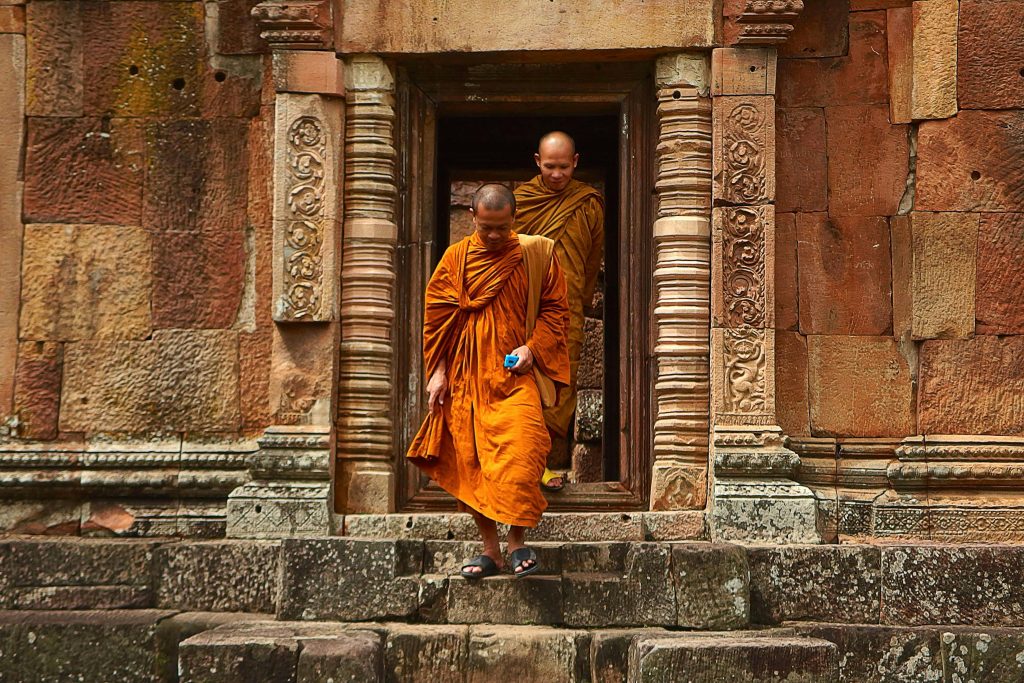
Understanding the culture is essential for a smooth and respectful experience in Thailand. Daily life in Thailand is guided by values of politeness, emotional restraint, and mutual respect. The commonly used phrase mai pen rai (“no problem” or “it’s okay”) reflects a calm, flexible mindset that shapes social interactions across the country.
Following Thailand travel tips and cultural norms not only helps you avoid misunderstandings but also enhances personal security and positive engagement with Thai people.
Respect for the Royal Family and National Symbols
Respect for the royal family is deeply ingrained in Thai society and strictly protected under Thai law. Any negative remarks, gestures, or actions perceived as disrespectful toward the monarchy can lead to serious legal consequences.
Visitors should avoid discussing the royal family in public or online and stand respectfully during the national anthem in public places. Thai banknotes are denominated in the Thai baht and should be handled respectfully, as they feature images of the King.
Thai authorities and local officials take these matters seriously, and ignorance of the law when you travel Thailand is not accepted as an excuse.
Appropriate Dress and Behavior in Public and Religious Places
Thailand is generally relaxed, but modest dress is expected in temples, Thai government buildings, and some rural areas. Visitors should cover their shoulders and knees when visiting temples and remove shoes when entering religious or private spaces.
Additional etiquette tips include avoiding physical contact with a person’s head, as it is considered sacred in Thailand’s culture. Visitors should also be careful not to point their feet toward people or religious objects, as feet are regarded as the lowest and least respectful part of the body.
Maintaining a calm demeanor and keeping voices low in public spaces is appreciated, especially in temples, public transport, and shared environments. These customs apply consistently across major cities and rural areas alike and are important to observe throughout Thailand.
Polite Communication and Conflict Avoidance
Thai culture strongly values calm behavior and saving face. Public arguments, shouting, or aggressive gestures are considered inappropriate and may escalate situations unnecessarily.
If a disagreement arises, it is important to remain calm and polite at all times. Avoid confrontations with locals or officials, as raising your voice or showing frustration can escalate situations unnecessarily.
When assistance is needed, seek help from the travel Thailand tourist police or local authorities, who are trained to support foreign visitors. Showing patience and courtesy is highly valued in Thailand and often leads to quicker and more positive outcomes when resolving issues.
Food Etiquette and Street Food Safety
Street food is a highlight of travelling to Thailand, with dishes like pad thai widely available from street stalls and local markets. Freshly cooked street food is generally safe, especially at busy stalls with high turnover.
To reduce the risk of food poisoning while travelling in Thailand, choose vendors and restaurants with high customer traffic, as frequent turnover usually indicates fresher ingredients.
Eat food that is cooked fresh and served hot, and avoid uncooked or unrefrigerated items that may have been left out in the heat. It is also recommended to drink bottled water and avoid ice from unknown sources, especially in rural areas, to minimize the risk of stomach illness.
If symptoms occur, seek medical attention promptly, especially in intense weather, where dehydration can worsen illness.
Interacting With Local Authorities and Officials
Visitors may interact with local authorities, immigration officers, or police during their stay. Cooperation and respectful communication are essential.
When interacting with authorities in Thailand, it is important to carry identification or a copy of your passport at all times. Visitors should follow instructions given by local officials and cooperate fully if stopped or questioned.
In tourist areas, the tourist police are available to assist foreign visitors with directions, disputes, or emergencies, and can be a helpful point of contact when support is needed.
Everyday Social Norms and Daily Life
Small gestures go a long way in Thailand. Smiling, saying thank you, and showing appreciation are valued in everyday interactions. Bargaining at markets is common, but it should be done politely and without pressure.
It is best to exchange money at authorized banks or reputable exchange booths, as rates offered by unofficial sellers may be poor or unsafe.
Understanding these cultural nuances helps travelers feel more comfortable and reduces the likelihood of misunderstandings while exploring Thailand’s cities, islands, and rural communities.
Touring Thailand: Travel Tips for Common Cities and Attractions
Chiang Mai: Culture and History Stop
Chiang Mai is one of Thailand’s most popular destinations, especially for those seeking culture and history. Located in northern Thailand, the city offers ancient temples, parks, night markets, and a slower pace compared to major cities like Bangkok.
Chiang Mai is also a hub for medical tourism, with private hospitals meeting international standards. Street food is widely available, and visitors can enjoy local dishes without relying solely on Western restaurants.
Koh Samui: Island Hopping Destination
Koh Samui is a leading tropical island destination known for luxury hotels, beautiful beaches, and modern infrastructure. The island is popular for island hopping and serves as a base for exploring the Andaman Sea and nearby islands.
International airports, private hospitals, and essential amenities make Koh Samui suitable for families and long-term travelers. Visitors should still follow traffic rules, particularly when renting motorbikes, as motorcycle riders account for many accidents.
Koh Tao: Diving and Island Life
Koh Tao is famous for diving and relaxed island life. While generally safe, visitors should remain cautious around nightlife areas and follow local advice. Food allergies and poisoning can occur if basic hygiene is ignored, so choose reputable street vendors and restaurants.
During the rainy season, ferry schedules may change, and travelers should plan accordingly.
Southern Thailand: Beaches, Islands, and Travel Considerations
South Thailand is one of the most diverse and scenic regions in the country, known for its tropical coastlines, island destinations, and access to both the Andaman Sea and the Gulf of Thailand. The region attracts travelers seeking beautiful beaches, island hopping, parks, and a slower coastal lifestyle, while still offering modern tourism infrastructure and essential services.
Popular destinations in the south include Koh Samui, Koh Tao, Krabi, Phuket, and inland nature areas such as Khao Sok National Park, which is famous for its ancient rainforest, limestone cliffs, and wildlife. The region is well connected by domestic flights, ferries, and road networks, making it easy to combine island stays with mainland travel.
Travelers should be aware that certain southern provinces near international borders may experience different security conditions compared to major tourist areas. Visitors are advised to monitor local media when traveling outside established tourist routes. Tourist areas and island destinations generally remain safe and well-policed, with police available in many locations.
The weather is another important factor when planning travel in the south. The rainy season can bring heavy rainfall and rough seas, which may affect ferry schedules, diving conditions, and access to outdoor attractions. Travelers should plan activities flexibly and follow safety warnings issued by local authorities, especially during periods of strong winds or high waves.
Entertainment Venues
Entertainment venues in areas like Khao San Road can be lively, but travelers should remain aware of their surroundings. Avoid illegal drugs—penalties under the law are severe.
Sexual assault cases are rare but do occur. Travelers should prioritize personal security, avoid isolated areas late at night, and travel in groups when possible.
Thailand Travel Safety: Is Thailand Safe to Visit?
Thailand is generally considered a safe destination for travelers, with low levels of violent crime compared to many other countries. Millions of foreigners visit Thailand each year without incident, particularly in major cities, tourist areas, and established travel routes. But essential travel precautions, such as staying informed and practicing common sense, are still important for maintaining personal security while travelling to Thailand.
Crimes
Violent crime, such as sexual assault, against tourists is rare, but petty crime, such as pickpocketing and bag snatching, can occur in crowded areas, including markets, public transport hubs, and entertainment venues.
Travelers should remain alert in busy locations, avoid displaying valuables, and keep personal belongings secure at all times. Extra caution is advised late at night, especially in nightlife districts.
Road and Public Transportation Safety
Road safety is one of the biggest risks for visitors. Motorcycle riders account for a high number of accidents, particularly among tourists unfamiliar with local traffic laws. Wearing helmets, avoiding riding at night, and following traffic rules can significantly reduce risk.
Public transportation and registered taxis are generally safer options, especially in major cities, and Google Maps is widely used for route planning, live traffic updates, and finding nearby services.
Medical Care, Medical Tourism, and Travel Insurance
Health and medical safety are strong overall. Thailand has excellent healthcare facilities, including hospitals with medical professionals that meet international standards.
However, travelers should carry travel insurance that covers medical treatment, immediate medical attention, and medical evacuation. If illness or injury occurs, seek medical attention promptly rather than delaying treatment.
Security Risks in Border Areas and Border Crossings (Thailand-Cambodia Border)
Certain border areas, particularly parts of southern provinces and remote sections of the Thailand–Cambodia border, may carry additional security risks. In rare instances, tensions near border areas have resulted in rocket and artillery fire, making it essential for travelers to avoid restricted zones and follow official guidance from Thai authorities.
Travelers should also exercise caution near the Thailand–Malaysia border, particularly in parts of south Thailand where security conditions may differ from major tourist areas. Travelers should follow Thailand travel advice, monitor local media, and avoid restricted or sensitive border areas unless absolutely necessary. Conditions on the Thailand-Cambodia border and Thailand–Malaysia border can change quickly due to political or security developments.
Common Scams
Scams involving gems, transport services, and unofficial visa assistance occasionally target tourists. Rely on licensed operators, avoid unsolicited offers, and verify information through hotels or local authorities. The tourist police are available in many areas and are trained to assist visitors with safety concerns, disputes, or emergencies.
Natural Disaster and Weather Awareness
Severe weather events are uncommon, but essential travel awareness is needed during the rainy season due to flooding and transport disruptions. Natural hazards such as flooding during the rainy season, strong ocean currents, and extreme heat can also affect travel plans. Visitors should heed warning signs at beaches and parks, and adjust activities during periods of hot weather or severe conditions.
Local Laws and Thai Law Enforcement
Thailand’s law is strictly enforced, and ignorance is not an excuse. Royal Thai Police and tourist police actively patrol tourist zones. Penalties for illegal drugs, public disorder, or disrespect toward the monarchy are severe.
Foreigners should carry identification or a copy of their passport at all times while in Thailand. It is important to obey traffic laws, particularly when driving or riding motorcycles, as traffic violations are strictly enforced and accidents are common.
Travelers should also avoid shops or agents offering illegal services, as using unofficial channels can result in fines, visa cancellation, or other legal consequences under the law.
With proper preparation, travelling to Thailand is rewarding and safe, but essential travel awareness ensures a smoother and more enjoyable experience.
What to Know When Travelling to Thailand: Top Tips
When visiting Thailand, it’s important to understand entry requirements, health considerations, and local customs. Thai authorities strictly enforce immigration rules, and travelers must comply with the law at all times.
Visitors should:
- Check visa requirements and entry stamp conditions
- Carry travel insurance covering medical treatment and medical evacuation
- Monitor local media for updates
- Respect the royal family and culture
- Follow the advice from local authorities and police
Thailand is generally considered safe for tourists, but personal security awareness is still important, especially in tourist areas and entertainment venues.
Frequently Asked Travel Questions Answered
What not to do in Thailand as a tourist?
Do not break the law, ignore traffic laws, or rely on unofficial visa services.
Is $100 USD a lot in Thailand?
Yes, $100 can cover a full day of meals, transport, and activities in many areas, depending on location.