
How to Learn Thai
Learning Thai is one of the most rewarding ways to connect with Thailand and its place in the wider world. Whether you plan to visit Bangkok for a few weeks or live in Thailand long term, mastering the language helps you communicate more naturally, understand local customs, and build real connections with people.
While it’s possible to travel without speaking Thai, even a basic understanding of phrases can transform your experience. From ordering food to having conversations, learning Thai adds depth, fun, and confidence to everyday life in Thailand.
Is the Thai Language Easy to Learn?
The language can feel challenging at first, but it is not as difficult as many beginners expect. Thai does not use verb conjugations, tenses, or plural forms like English. Instead, meaning is communicated through context and sentence structure, which simplifies grammar for learners.
However, Thai is a tonal language. The same word can have different meanings depending on the five tones, and mastering the tone rules is essential for correct pronunciation.
Saying a word with the wrong tone can completely change its meaning, which is why learners must focus on listening and speaking early in the learning process.
Despite this, grammar is logical, and pronunciation is consistent. You should not feel a sense of discouragement—there is hope for steady learning progress, even when it feels challenging to master at first. Plus, remember that making mistakes is part of learning—saying something wrong is normal, and the locals usually appreciate the effort and motivation to study their language.
How Long Does It Take to Learn Thai?
How long it takes to learn Thai depends on your goals, study habits, and how much exposure you have. Learners progress at very different speeds, especially because Thai is tonal and uses a unique script.
For most, mastering the basics enough for everyday situations, simple sentences, and basic conversations can be achieved within 3 to 6 months with regular practice. This level allows learners to understand familiar phrases and communicate basic needs.
Reaching conversational Thai, where you can speak comfortably with native speakers and handle daily interactions, typically takes 6 to 12 months of consistent study and listening. Learners who live in Thailand or regularly talk with locals usually progress faster due to daily exposure.
Becoming fluent, including correct pronunciation and the ability to read comfortably, often takes 1.5 to 3 years. Mastery depends on internalizing tone rules and expanding vocabulary through reading and active speaking.
Regular practice, listening daily, and using the language in real situations are more important than study intensity alone. Even short daily lessons combined with real-life use can significantly shorten the entire process of learning Thai.
The Best Way to Learn Thai: Tips for Beginners
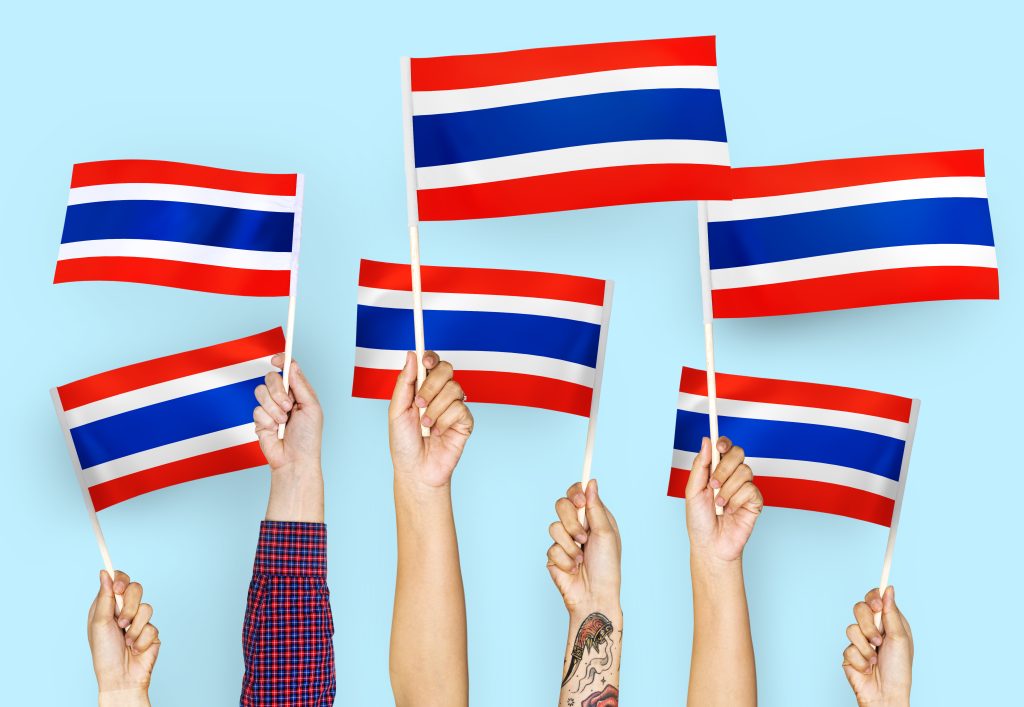
The best way to learn is a combination of listening, speaking, reading, and consistency. No single app or course can make you fluent on its own—the entire process requires exposure, repetition, real-life use, and most of all, motivation.
A strong learning plan includes:
- Listening to native speakers
- Practicing pronunciation daily
- Learning new words and common sentences through YouTube or dictionaries
- Using flashcards or apps for vocabulary
- Studying the script gradually
Overview of the Thai Language
Words and Basic Understanding
Words are typically short and syllable-based. Tone is often the biggest challenge, but it becomes manageable with regular practice, repetition, and listening. Learners must train their ears to hear the differences between sounds, vowel length, and natural rhythm before focusing on speed or sentence structure.
Learning common sentences used by native speakers gives learners a strong foundation. You do not need thousands of words to start speaking—focusing on the most common vocabulary allows you to communicate faster and more naturally.
Read Thai: Understanding the Thai Script
Learning to read the script may seem intimidating, but it becomes manageable with the right approach. The Thai script has:
- 44 consonants
- 32 vowels
- no capital letters
- no spaces
Thai is phonetic — once you learn the sounds, you can read accurately. Flashcards are one of the most effective tools for learning the script, helping learners associate sounds with written characters.
Start by recognizing letters, then move on to learning new words and sentences. Reading Thai strengthens vocabulary and sound awareness. Learning the script helps connect what you hear with what you see, improving reading confidence.
Start Learning Thai: Basic Thai Words and Phrases

Learning a small set of essential phrases and sentences is the fastest way to start communicating in Thailand. These basics help you handle everyday situations such as greetings, asking questions, shopping, and getting around, while also building confidence from the very first lesson.
Greetings and Polite Speech
Greetings are an important part of daily life and are often accompanied by a friendly and respectful attitude. These sentences are used in everyday interactions and help create a positive first impression.
Hello – Sawatdee
How are you? – Sabai dee mai?
I’m fine – Sabai dee
Thank you – Khop khun
Sorry / Excuse me – Khor thot
Common Questions
Knowing how to ask simple questions helps you navigate daily life in Thailand more confidently. These are frequently used in daily conversations and are easy to remember.
Where? – Tee nai?
What? – Arai?
When? – Muea rai?
How? – Yang ngai?
Why? – Tham mai?
Shopping and Prices
Shopping at local markets and small shops is part of everyday life in Thailand. These phrases are especially useful when buying food, souvenirs, or using local services.
How much? – Tao rai?
Very expensive – Paeng mak
Can you reduce the price? – Lot noi dai mai?
I want this one – Ao an-nii
Getting Around and Transportation
Getting around cities and towns is much easier when you know a few transportation-related phrases. These are useful for taxis, buses, and asking for directions.
Nearby – Glai glai
Go straight – Trong pai
Turn left – Leo sai
Turn right – Leo kwaa
Stop – Yut
Go to the airport – Pai sanam bin
Numbers (1–10)
Learning basic numbers is essential for shopping, ordering food, understanding prices, and getting around. These numbers are commonly used in daily conversations.
1 – Neung
2 – Song
3 – Sam
4 – See
5 – Ha
6 – Hok
7 – Jet
8 – Paet
9 – Kao
10 – Sip
Fun Slang and Everyday Expressions Used by Thai People
The language includes many playful expressions that appear frequently in texting, social media, and casual conversations. Learning a few of these examples makes you sound more natural and helps you understand everyday interactions better.
555 – “hahaha,” because the number 5 is pronounced ha in Thai.
5555+ – Extra laughter, similar to “LOL” or “HAHAHA.”
Jing mai? – “Really?” or “Is that true?”
Chai mai? – “Right?” or “Isn’t it?”
โอเค (OK) – Used exactly like “okay” in English.
Mai pen rai – “It’s okay,” “No problem,” or “Don’t worry,” a very common expression.
Sabai sabai – Describes a relaxed, comfortable, easygoing feeling.
Free Resources to Learn Thai Online (Reading, Listening, and Speaking Thai)
There are many resources available for learners at all levels:
- YouTube channels and videos that teach Thai lessons
- Websites offering structured courses
- Apps focused on vocabulary
- Google Translate app
- Audio lessons and podcasts
- Talking with locals and natives
Thailand’s Language and Culture

The language and culture reflect centuries of history and interaction with the wider world, shaping how people communicate, behave, and see their place beyond national borders. The language is central to daily life and carries cultural depth that may feel unfamiliar to learners from another part of the world, especially in how respect, hierarchy, and politeness are expressed.
From a ling perspective, learning Thai reveals how social awareness matters as much as grammar, and this ling approach helps learners understand why communication styles differ across nations.
The country’s culture emphasizes harmony, indirect communication, and saving face, values that are widely shared through travel, media, and migration across the world. By learning the language alongside cultural norms, learners gain insight into Thailand’s role in Southeast Asia and its connections to the modern world.
Frequently Asked Questions
Is the Thai Language on Duolingo?
No, the Duolingo app does not currently teach Thai because it’s complex, making it harder to adapt to Duolingo’s standard teaching format. Developing a high-quality Thai course requires more linguistic apps and resources.
Can I Learn Thai by Myself?
Yes, you can learn Thai by yourself with the right motivation, resources, and consistency. Many learners successfully self-study Thai using online courses, flashcards, apps, videos, and daily speaking practice. However, learning with a teacher or native speaker accelerates progress.
Is Thai Harder to Learn Than Chinese?
Thai and Chinese are different challenges. Thai sounds are simpler than Mandarin’s, and Thai grammar is easier. However, the script is unique and requires dedicated study to master. Overall, many learners find Thai more approachable than Chinese.