Where to Live in the Philippines
Choosing a place to live in the Philippines is one of the most important decisions for anyone planning a move, long stay, or retirement in the country. With more than 7,000 islands, a mix of modern cities and laid-back coastal towns, and access to world-class beaches, the Philippines offers a diverse range of living options for expats.
From the high-rise business districts of the capital city of Manila to the relaxed island lifestyle of Cebu and other provincial cities, expats can choose between fast-paced city life, beachside communities, or quieter rural areas.
Metro Manila, part of the National Capital Region, is the political and economic heart of the country and includes Makati City, Bonifacio Global City, and Quezon City. As the country’s main financial district, Makati City is home to many international companies, international banks and local banks, and modern business hubs.
Other factors, such as healthcare access, safety, infrastructure, and cost of living, all play a key role in deciding where to settle. This guide explores the ideal locations in the Philippines for expats, retirees, and long-term residents, helping you find a place that fits your lifestyle, budget, and long-term plans before moving to the Philippines.
The Best Places to Live in the Philippines
The Philippines offers a diverse range of places to live, from modern urban centres to relaxed coastal towns and island communities. Whether you are moving for work, retirement, or lifestyle, choosing the right location depends on factors such as cost of living, healthcare, safety, and access to international services.
Metro Manila and the National Capital Region
Metro Manila, part of the National Capital Region, is the political and economic heart of the country and includes Makati City, Bonifacio Global City, and Quezon City.
It is the largest city cluster in the Philippines and home to many multinational companies, international banks and local banks, shopping centers, and high-rise buildings. It’s also home to the offices of the Philippine government, foreign embassies, multinational companies, and major financial institutions.
Most expats working in finance, technology, or international organizations choose Makati City or nearby districts because of modern infrastructure, online banking access, private healthcare facilities, and proximity to Ninoy Aquino International Airport, the country’s main international airport.
City life in the National Capital Region is fast-paced and vibrant, but traffic congestion and higher costs mean it suits expats who prefer a bustling city environment.
Cebu City: A Balance of City and Island Living (Plus Island Hopping Adventures)
Cebu City is one of the most popular destinations for expats and is often considered an ideal location for those who want big-city convenience without Manila’s intensity. As a major hub in the Visayas and the country’s second-largest city, Cebu City offers modern medical facilities, hospitals, and easy access to beautiful beach resorts and world-class beaches.
Cebu has a large expat community, an airport, and excellent island-hopping opportunities, making it attractive to nature lovers and remote workers alike. It’s an ideal location that offers big-city convenience while remaining close to beautiful beaches, dive sites, and popular island-hopping routes.
Davao City: Safety and Stability in Mindanao
Davao City consistently ranks as one of the safest places to live. Known for its cleanliness, order, and efficient local government, Davao City appeals to expats wanting a calmer lifestyle while still enjoying access to healthcare services, shopping centers, and good education options.
Davao City is also popular with expats looking for long-term stability, lower costs, and a strong sense of local community.
Iloilo City: Rich Cultural Heritage, Education, and Livability
Iloilo City has gained attention in recent years as one of the most livable cities in the Philippines. It combines rich history, a strong education landscape, reputable medical schools, and access to some of the best hospitals outside NCR.
Iloilo City is less crowded and offers a lower cost of living, making it attractive to retirees and expats seeking a slower pace of everyday life.
Where Expats Live in the Philippines
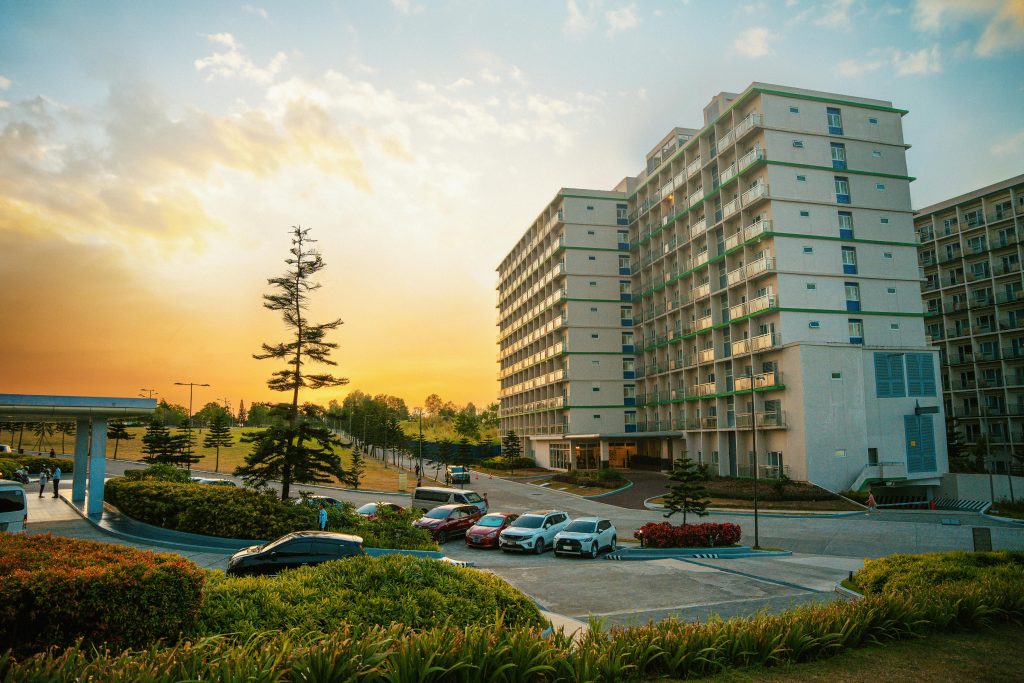
Most expats in the Philippines choose locations that offer good healthcare, reliable infrastructure, and access to international services.
Metro Manila, particularly Makati City and Bonifacio Global City, is popular among professionals working for multinational companies and international organizations. Makati City offers high-rise residential buildings, shopping centres, international banks and local banks, and excellent transport links.
Outside the capital, Cebu City is a popular destination that attracts a large expat community looking for a balance between city life and island living, while Davao City is often chosen for its rich history, safety, lower cost of living, and calmer pace.
Retirees and nature lovers frequently settle in places like Iloilo City, Dumaguete, and Subic Bay, where everyday expenses are lower, and expat communities are well established. Subic Bay is a former US naval base that has been redeveloped into a modern, well-planned community with good infrastructure and established expat communities.
Coastal towns and beautiful beach destinations also appeal to expats seeking a more relaxed lifestyle, especially those who prioritize nature, island hopping, and proximity to world-class beach resorts. In Western Visayas, Iloilo City continues to attract expats looking for a quieter environment, affordable living, and a growing international presence.
The Safest Places to Live in the Philippines
Many people consider Davao City one of the safest places to live in the Philippines due to its strict local governance, clean public spaces, and relatively low crime rates compared to other bigger cities. Davao City consistently ranks high for safety and order, making it popular among both locals and expats.
Other areas often regarded as safe include Iloilo City and well-developed districts of Metro Manila, such as Makati City and Bonifacio Global City, which benefit from strong security, modern infrastructure, and reliable public services.
For families and retirees prioritizing security, Davao City is often the first choice outside the Metro.
Cost of Living in the Philippines
The cost of living in the Philippines is generally lower than in most Western countries, which is one of the main reasons it attracts retirees, remote workers, and long-term expats. This low cost of living is supported by the structure of the Philippine economy, which is driven by services, remittances, tourism, and a growing middle class. However, actual expenses vary widely depending on location, lifestyle, and expectations around comfort, housing, and healthcare.
Many retirees ask whether it is possible to retire in the Philippines on $1,000 a month. In some rural regions or smaller provincial cities, this budget can support a simple but comfortable lifestyle, especially if housing costs are low and daily expenses are kept modest. Local food, public transportation, and basic utilities are low-cost, making the day-to-day cost of living more affordable than in large urban centres.
In Metro Manila, Cebu City, and Davao City, the cost of living is noticeably higher than in rural regions, though Davao City remains more low-cost than the National Capital Region. Rent in modern condominiums, spending money dining in international restaurants, private transportation, and access to premium services can significantly increase monthly expenses. Housing costs in Makati City are higher than in provincial cities, but many expats consider the convenience, safety, and access to services worth the premium.
Healthcare is another important factor in the cost of living. While basic medical care is affordable, many expats carry private health insurance, which adds to the overall budget.
For most, a more realistic monthly budget in major cities in the National Capital Region ranges from $1,500 to $2,500, depending on housing choices and lifestyle. This allows for better accommodation, private healthcare access, dining out, and occasional travel. Those seeking a higher standard of living or frequent travel may spend more.
Cities such as Metro Manila, Cebu, and Davao City are ideal locations that provide access to local and international banks, online banking services, and ATM networks suitable for expats managing overseas finances. Meanwhile, compared to larger urban centres, Iloilo City offers low cost of housing, lower daily expenses, and access to quality healthcare without the congestion of major metropolitan areas.
The Philippines offers flexibility. Whether living frugally in smaller towns or enjoying a more comfortable city life in urban centres, the country allows expats and retirees to adjust their spending based on personal priorities and financial goals.
Factors for Families to Consider

Relocating to the Philippines as a family involves more than choosing a city or neighborhood. Education, healthcare access, and health insurance all play a major role in long-term comfort and stability.
International Schools and the Education System
For families with children, access to quality education is often the top priority. The Philippines offers a mix of public schools, private schools, and international schools, particularly in major cities such as Metro Manila, Cebu City, and parts of Clark and Subic.
Most schools typically follow American, British, International Baccalaureate (IB), or other global curricula, making transitions easier for families coming from abroad. These schools usually offer smaller class sizes, English-based instruction, and internationally recognized qualifications. Tuition fees can be significant, so education costs should be factored into the overall budget.
The local education landscape also includes well-established universities, some of which have strong academic reputations. Cities such as Manila, Cebu City, and Iloilo City offer reputable schools. Iloilo City, in particular, is an appealing option for families seeking quality education outside the capital.
Health Insurance and the Healthcare System
Healthcare service access is another critical consideration for families. The Philippine healthcare system consists of both public and private providers. While public hospitals are affordable, expat families rely on private hospitals for higher standards of care, shorter waiting times, and better facilities.
Private healthcare costs are still lower than in many other countries, but expenses can add up, especially in the case of specialist care or emergencies. For this reason, health insurance is strongly recommended. Many families choose international health insurance plans that cover hospitalization, outpatient care, and emergency treatment.
Living near major cities ensures access to the country’s most renowned hospitals, medical specialists, and paediatric care, which is especially important for families with young children. Cities such as Metro Manila, Cebu City, Iloilo City, and Davao City offer access to hospitals, medical specialists, and reliable emergency care. Expats living in Makati City benefit from proximity to some of the best medical care in the Philippines.
Access to an International Airport
Easy access to an airport is an important but sometimes overlooked factor for families. Cities like Manila (via NAIA), Cebu City, and Clark offer direct international flights, making travel easier for school holidays, family visits, or emergencies. Living in Makati City means shorter travel times to NAIA compared to many other parts of the Metro.
Proximity to an airport simplifies logistics such as visa runs, international schooling travel, and quick access to global destinations. Families living in more remote areas may need to factor in additional travel time and costs when planning trips abroad.
Leisure Activities and Family Lifestyle
Leisure and lifestyle opportunities are an important consideration for families relocating to the Philippines, especially for those with children. The country offers a wide variety of outdoor and recreational activities that support a balanced life beyond work and school.
Families living in urban centres often plan weekend trips to destinations like Baguio, widely known as the summer capital of the Philippines. The summer capital is popular for its cooler climate, parks, walking trails, and family-friendly attractions that provide a break from the heat in the city center. Many families and nature lovers enjoy visiting the summer capital during school holidays for sightseeing, outdoor dining, and cultural events.
In addition to the summer capital, families also benefit from easy access to coastal destinations. The Philippines is famous for its beautiful beaches, including areas with calm waters suitable for children and family outings. Many regions offer safe swimming areas, island-hopping tours, and resorts with activities designed specifically for younger visitors. Some destinations are also known for white sand beach resorts, which are ideal for relaxed family weekends and short holidays.
For families based in major hubs, travel to leisure destinations is relatively convenient. Short domestic flights and improved road networks make it easy to explore the summer capital as well as other cities and provinces with nature parks, farms, and cultural attractions. School trips and family excursions to the summer capital are common, especially for families seeking educational and recreational experiences outside metropolitan areas.
Compared to more densely populated urban centres, the summer capital offers a slower pace of life, fresh air, and open spaces, which many parents find appealing for their children. Even families who do not live permanently in the summer capital often choose locations within easy reach so they can visit regularly throughout the year.
Filipino Culture and Everyday Life
Filipino’s rich cultural heritage places strong emphasis on family, hospitality, and community. Expats often remark on how easy it is to integrate into expat communities and connect with other expats.
Everyday life in the Philippines is shaped by strong social ties, food traditions, and respect for elders. English is widely spoken among Philippine citizens, which simplifies settling in and handling services.
Frequently Asked Questions
Where do Americans live in the Philippines?
Most Americans live in NCR, Cebu City, Subic Bay, and popular world-class beach destinations.
Can I retire in the Philippines on $1,000 a month?
A low cost of living is possible in rural regions, but most retirees prefer a higher budget for comfort and healthcare.
Do expats need health insurance in the Philippines?
Most expats choose health insurance to access private healthcare facilities, reduce out-of-pocket costs, and ensure coverage during medical emergencies.
What visa do retirees use to live in the Philippines?
Most retirees apply for the special resident retiree’s visa, which is designed specifically for foreign nationals planning long-term retirement in the country.