

Check out the best bonus deals before Midnight tonight!

Betting Regulations in the Philippines
The Philippines has one of the most complex and widely discussed gambling environments in Asia. Gambling is not outright banned in the Philippines, but it is tightly regulated under a specific legal framework governed by the government.
From casino gambling and sports betting to online betting platforms and offshore operators, different rules apply depending on the activity, operator, and target market.
This guide explains how betting regulations work in the Philippines, what forms of gambling are legal, how online gambling is treated under Philippine laws, and what recent changes mean for local players and operators.
History of Gambling in the Philippines
Philippine gambling has a long history that predates modern regulation, evolving alongside the country’s political, cultural, and economic changes. What began as informal betting activities during pre-colonial times eventually developed into a structured gambling sector regulated by the Philippine government.
Early and Colonial Periods
Before Spanish colonization, gambling already existed in various forms, often linked to social gatherings, local games, and community events.
During the Spanish colonial era, gambling became more organized, with card games, cockfighting, and early betting practices becoming popular forms of entertainment. Cockfighting, in particular, gained widespread acceptance and remains one of the most culturally embedded gambling activities in the country.
Under American rule in the early 20th century, gambling laws became more formalized. Horse race betting was introduced and regulated, laying the groundwork for modern betting systems. However, most forms of gambling were still restricted or tightly controlled.
Post-War Era and Government Regulation
After World War II, gambling continued to grow, especially in urban centres. To centralize control and generate state revenue, the government established the Philippine Amusement and Gaming Corporation (PAGCOR) in the 1970s.
PAGCOR was created as a government-owned corporation tasked with regulating and operating casinos and gambling while curbing illegal gambling operations. The creation of PAGCOR marked a turning point, transforming gambling from loosely regulated activities into a state-supervised industry governed by clear gambling laws and presidential decrees.
Expansion of the Gambling Industry
From the 1990s onward, the Philippines saw rapid expansion in gambling, sports betting, bingo halls, and electronic gaming. Integrated resorts and large casino complexes began attracting both local players and foreign tourists, positioning the country as a regional gaming hub.
The rise of online gambling and Philippine Offshore Gaming Operators (POGOs) in the 2010s further reshaped the industry. Offshore online betting operators targeting foreign markets—particularly China—brought significant revenue but also raised concerns about money laundering, illegal employment, and gambling addiction.
Some licensed online gambling operators were also permitted to develop and offer their own games, provided these products met technical standards and complied with PAGCOR’s regulatory requirements.
Recent Developments
In response to regulatory challenges and international pressure, including concerns from the Chinese government, the Philippines tightened its laws and eventually moved to ban POGO operations. This shift reflected a broader effort to balance economic benefits with public order, security, and responsible gambling principles.
Today, gambling in the Philippines operates under a more controlled and compliance-focused environment, with licensed casinos, strict enforcement, and increased emphasis on responsible gambling and player protection.
Gambling Laws in the Philippines: Legal Overview of the Philippines’ Betting Regulations

Gambling in the Philippines is legal in many forms, provided it is conducted by licensed casinos under government supervision. The country’s gambling sector operates under a dual system involving state-owned and government-authorized entities.
Key regulators include:
- Philippine Amusement and Gaming Corporation (PAGCOR) – the main corporation regulating casinos, online casino platforms, and online betting and gaming operations
- Philippine Charity Sweepstakes Office (PCSO) – responsible for lotteries and sweepstakes
- Philippine Racing Commission (PHILRACOM) – oversees horse racing
The core regulator of the gaming industry is PAGCOR, a government-owned corporation that both operates casinos and regulates private gambling operators. This dual role has shaped the framework for gambling platforms, casino games, and sports betting nationwide.
PAGCOR’s responsibilities include:
- Issuing licenses to casinos and online casino operators
- Monitoring compliance with gambling laws
- Enforcing responsible gambling measures
All forms of gambling, whether offline or online betting, must comply with national gambling laws, presidential decrees, and acts that define legal and illegal conduct.
Is Gambling Legal in the Philippines?
Yes, gambling is legal in the Philippines, but only when conducted by authorized and licensed operators. Gambling laws strictly prohibit unlicensed betting operations and illegal gaming schemes.
Relevant laws include:
- Republic Act 9487 – extends PAGCOR’s authority to regulate gaming operations
- Presidential Decree 1602 (PD 1602) – penalizes illegal gaming activities
Any gambling outside the approved legal framework is considered illegal.
Online Betting in the Philippines: Is Online Gambling Illegal?
Online gambling exists in a legally restricted form. The Philippines allows online gambling operators to operate only under specific conditions, and the rules for online betting differ for local and foreign players.
Under this system, online gambling for Filipinos through locally licensed online casino platforms remains highly limited, with only specific, government-authorized options allowed. As a result, many forms of online gambling are considered illegal when accessed without proper licensing or when operators target Filipino players in violation of Philippine gambling laws.
POGOs Ban (Money Laundering and Crime)
One of the most important developments in Philippine gambling was the government’s decision to phase out and ban POGOs.
Reasons for the ban included:
- Links to laundering
- Illegal employment practices
- Criminal syndicates operating under POGO structures
- Diplomatic pressure from China’s government, whose citizens were the main target market
- Social concerns tied to addiction and crime
As a result, the government moved to dismantle the offshore gambling sector despite its economic contributions.
Casino, Sports Betting, and Legal Casino Games
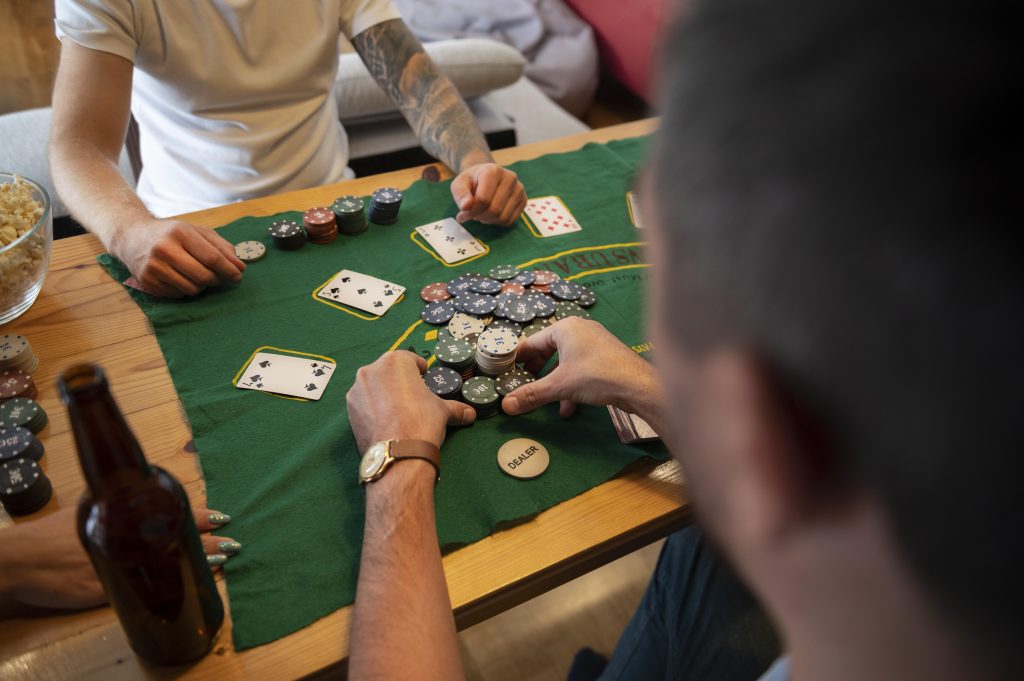
Gambling is legal and widely available through PAGCOR-operated and licensed casinos. These casinos offer:
- Slot machines
- Blackjack
- Poker
- Roulette
- Table games
There are dozens of licensed casinos across the country, including integrated resorts and standalone gaming venues.
Other forms of legal gambling include:
- Lotteries operated by the PCSO
- Bingo halls and electronic gaming stations
- Sports betting
- Cockfighting (sabong), regulated locally
- Mahjong and informal games in permitted settings
Gambling Addiction and Responsible Gambling
The government of the Philippines and PAGCOR promote responsible gaming to address addiction and problem gambling.
Measures include:
- Age verification
- Self-exclusion programs
- Limits on betting behavior
- Public awareness campaigns
Gambling is legally framed as entertainment, not a source of income.
Frequently Asked Questions
How many casinos are there in the Philippines?
There are dozens of licensed casinos, including major integrated resorts and regional casinos.
What is the legit betting app in the Philippines?
Legitimate betting apps are those operated or authorized by PAGCOR. Many foreign apps operate without local regulation.
Is Bet365 legal in the Philippines?
Bet365 is not licensed locally. Filipinos may access it, but it operates outside Philippine regulation.
Is 1XBET legal in the Philippines?
1XBET is not licensed by PAGCOR and operates offshore. It is not legally regulated in the Philippines.
Where can I find trusted gambling sites in the Philippines?
Trusted gambling sites in the Philippines are those that are licensed, operated, or officially authorized by PAGCOR. These include PAGCOR-operated platforms and licensed private operators that comply with local regulations on player protection, responsible gambling, and financial transparency.
For players who want a reliable starting point, one of the easiest ways to identify trusted options is to check CasinoCompare. The site focuses on reviewing and comparing gambling platforms available to Filipino players, with clear information on licensing status, payment methods, bonuses, and responsible gambling features.