
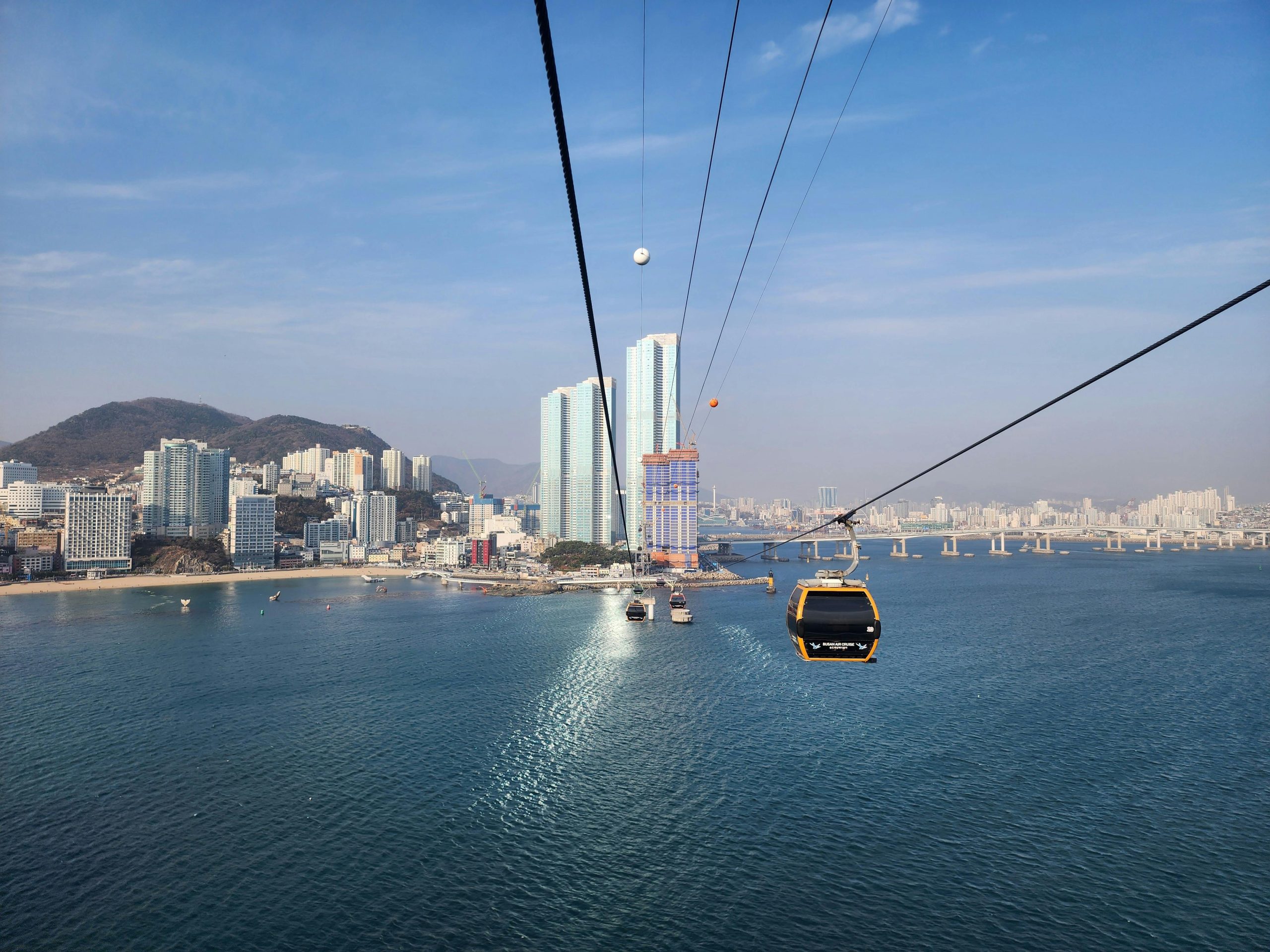
Tips for Travelling to South Korea
South Korea can be one of the most rewarding trips in Asia, offering a mix of culture, safety, convenience, and modern services.
Whether you want to explore Seoul, enjoy local food on the streets of Busan, or fly to Jeju Island for nature and volcanic landscapes, South Korea offers experiences that meet international standards while still maintaining its own identity on the Korean Peninsula.
South Korea Travel Requirements
Visiting South Korea starts with proper documentation. A valid passport is required for all travelers entering the country.
Many nationalities, including citizens of the United States, can enter visa-free for short stays using the K-ETA system. Always confirm your allowed visa status with South Korean immigration authorities to avoid issues at Incheon Airport or other entry points.
You may need to submit a health questionnaire depending on infectious diseases and the current quarantine inspection required areas. The South Korean government may update entry protocols anytime, so monitor developments through official advisories from your embassy.
Travelers must follow South Korean immigration law and ensure proper authorization before entering or leaving the country. Illegal drugs are strictly prohibited, and criminal charges apply even for small quantities. This applies throughout the Korean Peninsula.
Dual Nationality and Dual Citizenship for South Korea
Travelers born to Korean parents may unknowingly hold dual nationality. The South Korean government requires individuals with Korean citizenship to enter and leave South Korea using a Korean passport.
Contact the consular services to clarify your status and whether you have Korean citizenship to avoid complications. Dual citizenship may affect military service obligations, so verify your legal standing with immigration authorities before travelling to South Korea.
Etiquettes to Observe in Korea
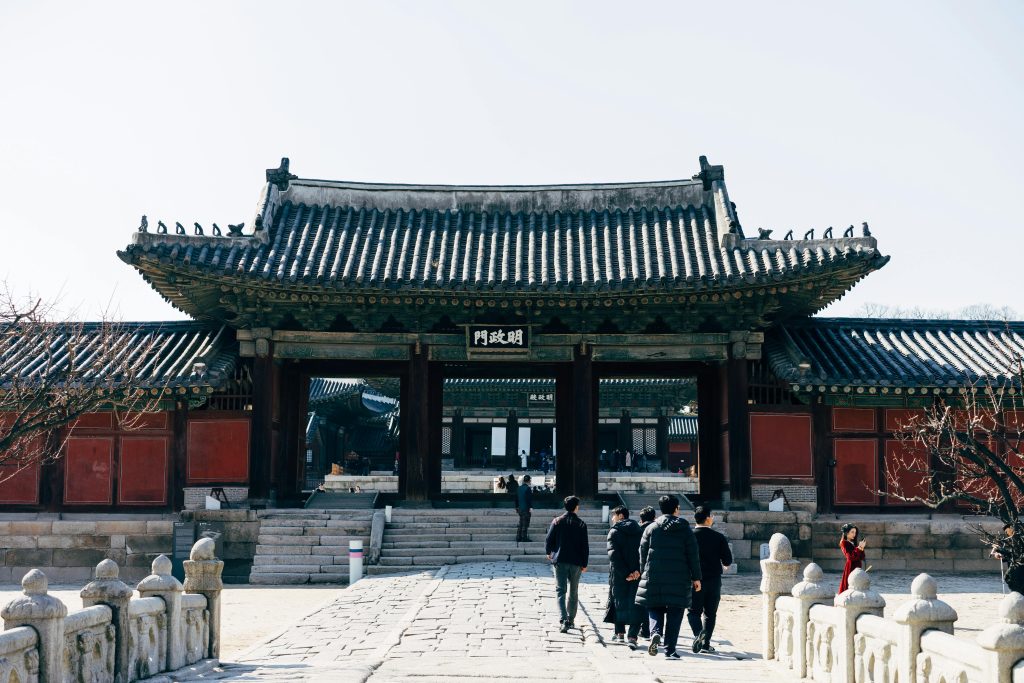
Understanding everyday etiquette is essential when travelling to South Korea, as social behavior, hierarchy, and respect play a major role in Korean culture.
Whether you’re interacting with South Korean citizens, joining a family meal, navigating transportation options, or visiting someone’s home, following these social expectations helps avoid cultural misunderstandings.
These customs reflect long-standing traditions and the values that shape daily life across the Korean Peninsula, so observing them will make your trip to South Korea smoother, more respectful, and more enjoyable.
Korean Food and Dining Customs
Food is one of the biggest reasons people visit South Korea. From food markets to fine dining, the local authorities maintain strict food and drug safety standards. Travelers should remember chopstick etiquette, avoid sticking chopsticks into rice, and match the eating pace of South Korean citizens during group meals.
Traditional practices like pouring drinks for elders, not lifting your rice bowl, and showing respect at the table reflect big cultural differences. These are important when dining with locals, especially during homestays.
Street dining is widely available, but follow food safety guidance by choosing busy stalls and checking the media for advisories during the rainy season or outbreaks of infectious diseases.
Local Laws You Must Follow in the Korean Peninsula
Foreigners must follow the law at all times. South Korean law is strict, especially regarding illegal drugs, sexual assault, sexual violence, and activities near military installations. Even small violations can lead to criminal charges or deportation.
South Korean authorities take visas seriously, and overstaying without proper authorization can result in fines or bans from reentry. Always check your K-ETA approval and understand immigration law in South Korea before your trip.
South Korea is safe, but crimes like pickpocketing and sexual assault can occur in tourist areas. Report crimes immediately to the nearest police station.
Understanding Cultural Differences
South Korea’s culture may surprise first-time visitors. Respect for hierarchy, age, and social rank shows up in meals, conversations, and workplace culture.
Teaching English in Korea is a common profession for foreigners, but applicants must understand visa rules and the South Korean authorities’ requirements. Public and consular services can help you if you need legal guidance for getting the permits required to teach English in the country.
Many people prefer activities and food based on personal preference, but always follow laws to avoid unnecessary stress. South Korea is open and diverse, though sexual orientation and topics about identity may not be as openly discussed in some communities. Be respectful and aware of social norms.
Touring Korea: Travel and Safety Tips
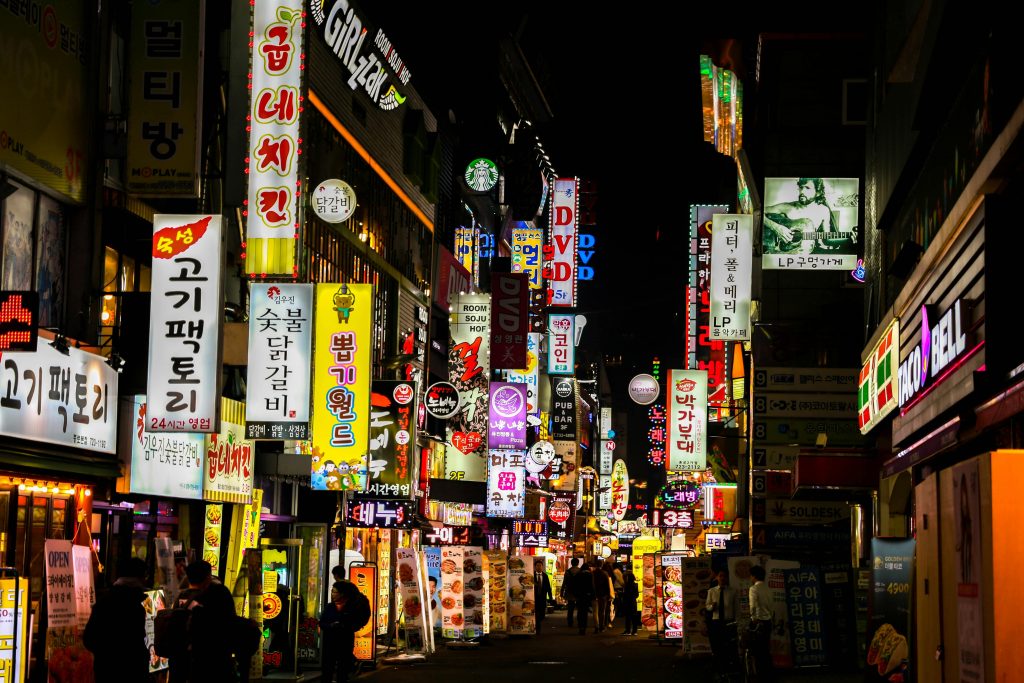
Touring South Korea offers an exciting mix of modern cities, historic landmarks, and natural landscapes, but preparation is key to a smooth and stress-free experience.
South Korea is known for its advanced services, efficient transport, and strong safety standards, making it one of the most secure destinations on the Korean Peninsula. Still, travelers should stay informed, follow laws, and understand the culture that shapes daily life.
These essential travel and safety tips will help you navigate South Korea confidently and make the most of your visit.
Jeju Island Travel Tips and Safety
Jeju Island remains one of the most popular places to visit in South Korea. The island’s volcanic landscapes, beaches, and waterfalls make it ideal for nature lovers. Transportation is reliable but less frequent compared to Seoul. Renting a car may require a South Korean driver’s licence or an international permit recognized under South Korean law.
Jeju’s local authorities enforce strict environmental rules, so follow laws regarding wildlife, hiking safety, and waste disposal. Air quality can fluctuate depending on the weather, so check the media before long hikes.
Seoul Travel Tips and Safety
Seoul is the heart of South Korea, combining modern skyscrapers with centuries-old palaces. It is one of the safest major cities in Asia, supported by efficient transport, advanced services, and strong oversight from local authorities.
Petty crime does occur in crowded areas like Myeongdong, Hongdae, and Dongdaemun, so keep bags secure and avoid leaving phones or wallets on café tables. Metro and subway station platforms are well monitored, and emergency services respond quickly if incidents occur.
Many landmarks, including Gyeongbokgung Palace and Namsan Tower, get extremely busy during peak hours, so plan your travel around weekends and holidays. Air quality can fluctuate, so check the media if you have respiratory concerns. Always follow laws when visiting temples, palaces, and public parks.
Busan Travel Tips and Safety
Busan offers a mix of beaches, mountains, and urban culture. Haeundae Beach, Gwangalli Beach, and Jagalchi Market are top highlights, but can be crowded during summer festivals.
Busan’s transportation system is efficient, though some steep hillside neighborhoods are best accessed by taxi. Travelers should follow laws on beach safety, especially during typhoon season when strong currents are common. Lifeguards enforce strict rules, and ignoring warnings may lead to fines from local authorities.
The food in Busan is popular and generally safe due to strong food safety standards, but choose busy stalls with visible hygiene practices. At night, areas near the port and large markets are safe, but stay alert and avoid poorly lit alleys.
Gyeongju Historic Sites Travel Tips and Safety
Known as Korea’s “museum without walls,” Gyeongju is ideal for travelers interested in ancient palaces, tombs, and Buddhist temples. Most sites are safe and well-maintained, but travelers should wear comfortable footwear due to long walking paths.
Respect cultures when entering temple grounds by keeping noise low and following signage. Some royal tombs restrict photography or require visitors to stay on designated walkways for preservation. Local authorities monitor these areas closely, so follow the laws.
Public transpo is available, but renting a bike is a popular way to get around. Always carry your passport when entering ticketed cultural sites.
Incheon Travel Tips and Airport Safety
Incheon is home to Incheon Airport, one of the world’s top-rated airports with exceptional services. The city also offers beaches, parks, and Chinatown.
Inside the airport, travellers will find easy SIM card purchasing and clear immigration procedures. Immigration authorities may conduct random checks, so ensure your visa, K-ETA approval, prescription medications, and travel documents meet immigration law.
The airport’s transportation system connects smoothly to Seoul through high-speed trains and buses. Stay aware of your belongings in crowded shuttle bus areas to avoid petty crime.
Nami Island Travel Tips
Nami Island is a popular day-trip spot for nature lovers. While it is extremely safe, ferry schedules can change due to weather conditions. Check local media for sudden cancellations, especially during the rainy season.
Paths can get slippery after rain or snow, so wear appropriate shoes. Travelers with mobility issues should contact the local authorities on the island for accessibility support.
South Korea Travel Safety
Travelling to South Korea is generally very safe thanks to South Korea’s advanced technology, strong public services, efficient transport systems, and well-organized emergency services. Visitors consistently describe the country as clean, orderly, and easy to navigate, even for first-time tourists.
South Korea is one of the most secure destinations in Asia, with low petty crime rates, reliable services, and fast response times from local authorities. Emergency services such as police, fire, and medical responders are highly trained and accessible across major cities and rural areas alike.
It is still recommended to identify the police stations and local medical facilities soon after you arrive, especially if you plan to explore areas outside Seoul or Busan.
South Korea lies on the Korean Peninsula, sharing a heavily fortified border with North Korea, officially called the Democratic People’s Republic. North Korea remains closed to tourism except for tightly controlled organized tours, and travel beyond the South Korean border is not possible. Approaching restricted zones is prohibited and considered dangerous under the law.
Although South Korea is stable and safe, the region can occasionally experience political tensions. These situations rarely impact daily life, but travelers should monitor developments through local media, official travel advisories, and consular services. Most visitors will never encounter disruptions during their stay, but staying informed helps ensure travel plans continue smoothly.
Overall, South Korea remains a safe, welcoming, and well-regulated destination for international travelers. With proper awareness and respect for local laws, your trip will be comfortable, enjoyable, and secure.
Civil Emergency Drills in Korea
South Korea regularly conducts civil emergency drills, especially in the metro, subway station platforms, airports like Incheon Airport, and public transport hubs. Sirens may be loud, but they are routine and help ensure that services can respond adequately in case of military activities or natural disasters.
Travelers should remain calm during these drills and follow instructions from local authorities. These drills are not related to tensions with North Korea but are a normal part of public safety.
Public Transportation in Korea: Tips for Taking Public Transport During Your Trip

Public transport in South Korea is one of the most efficient systems worldwide. This includes metro stations, subway station networks, high-speed trains, buses, ferries, and taxis.
Visitors can use a T Money card to pay for fares, which works on buses and subways across the country. Digital wallets are increasingly accepted in major cities, but rural areas may rely more on cash for essential services.
Google Maps works in Korea, but local navigation apps provide more accurate routes, especially in dense areas. Public wi-fi is widely available, but avoid accessing sensitive accounts for security.
Medical Services and Medical Care in Korea
Health care and medical services in South Korea meet international standards and match the level of care in other countries. Private and public hospitals offer high-quality treatments, but medical care can be expensive without insurance.
Keep prescription medications in original packaging and check drug safety rules before arrival.
If you need emergency services, call 119. Travelers should also be aware of the nearest police station and medical facility, especially in areas outside Seoul.
Health care access is excellent, but some medical services may vary in cost. Always check your insurance coverage before travelling to South Korea.
Tips for Travelling to South Korea
Preparing properly before travelling to South Korea can make your entire trip smoother, safer, and more enjoyable. From navigating public transpo to understanding South Korean law and culture, a little knowledge goes a long way.
These essential travel tips will help you stay informed and make the most of your visit to one of Asia’s most dynamic and welcoming destinations.
- Carry a passport with at least six months of validity. South Korean immigration authorities strictly enforce entry rules, and travelers must follow South Korean immigration law at all times.
- Confirm your visa before departing. Many nationalities require a K-ETA, and failing to secure proper authorization may delay entry at Incheon Airport or other ports.
- Purchase a SIM card or portable Wi-Fi device immediately after arrival. Public wifi is common but may be slow in crowded metro stations and busy transportation hubs.
- Download local navigation apps. Google Maps is limited in South Korea, and local apps offer more accurate routes.
- Use a T Money card for buses, subways, and some taxis. It simplifies travel across Seoul, Busan, Daegu, and other cities.
- Check local media for updates on air quality or significant disruptions that may affect travel plans on the Peninsula.
- Stay aware of your surroundings in crowded tourist zones to avoid petty crime. Emergencies are rare, but know the location of the police stations.
- Follow local laws carefully. South Korea is strict regarding alcohol behavior, illegal drugs, photography, and acts that may be seen as disorderly.
- Respect cultural differences. Hierarchy, age, dining etiquette, and personal space are deeply rooted in daily interactions with South Korean citizens.
- Carry both cash and cards. While Apple Pay is becoming more widely accepted, some areas and local banks may still prefer cash-based transactions.
- Choose street food from busy stalls with high turnover, which ensures better food safety and reduces the risk of stomach issues.
- Use public transpo whenever possible. It is efficient, safe, and fast in most major cities.
- Check weather forecasts before hiking or exploring Jeju Island or mountainous areas. Air quality and weather can change quickly.
- Avoid approaching restricted areas, especially military installations or border regions near the Democratic People’s Republic (North Korea).
- Prepare for language barriers outside major cities. Learning basic Korean phrases is helpful, especially when dealing with public services.
- Keep emergency numbers accessible. Dial 112 for police and 119 for fire or medical services.
- Understand cultural drinking expectations. You may be offered alcohol by locals, and refusing can sometimes feel awkward, so respond politely.
- Use proper etiquette when visiting temples, museums, and palaces. Follow local authorities’ instructions and stay within designated areas.
- Plan ahead, as essential services and transportation may be limited outside big cities.
- Prepare for the country’s dynamic climate, busy travel seasons, and occasional military activities that may create temporary travel advisories.
- Pack appropriately for rain, when heavy downpours can impact public transportation or travel schedules.
Frequently Asked Questions When Travelling to South Korea
What are the requirements to travel to Korea?
You need a legally recognised passport, K-ETA approval for eligible nationalities, a return ticket, and compliance with health questionnaire rules for infectious diseases or quarantine inspection required areas. Some travelers must show authorization under South Korean immigration law.
What is the 3-day rule in Korea?
Hotels and guesthouses may require travelers to register within three days of check-in under local laws in certain regions. It’s simple and ensures compliance with safety and immigration standards.
How much will a South Korea trip cost?
Budget travelers may spend 40–70 USD per day, while mid-range travelers may spend 80–150 USD. Private hospitals, premium restaurants, and shopping increase expenses.
Is 2000 USD a lot in Korea?
Yes, 2000 USD can cover a comfortable trip for one to two weeks, depending on your spending style. Rural areas and street food make travelling to South Korea more affordable.


